
Summary
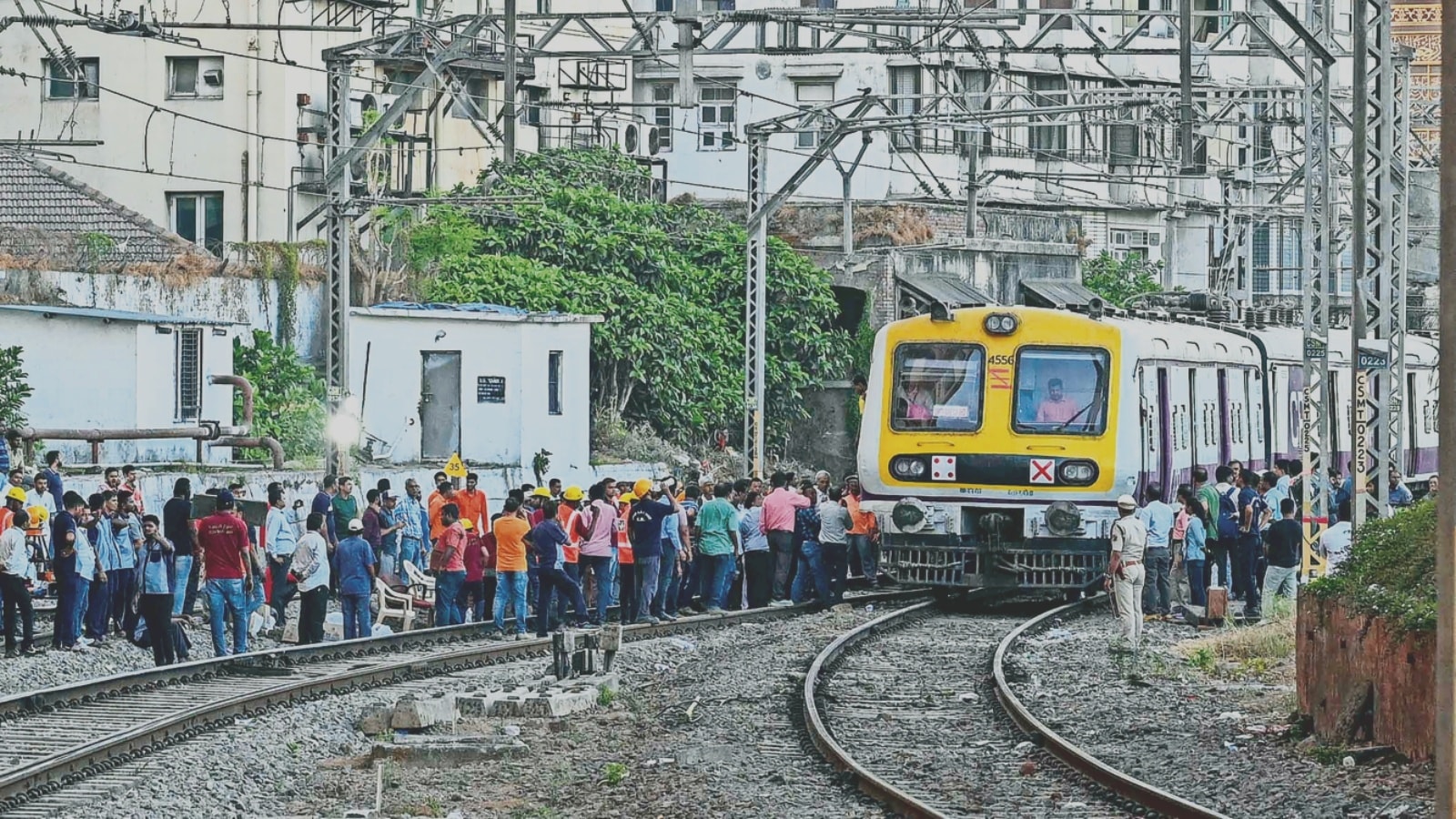
A serious safety scare occurred at Mumbai’s Chhatrapati Shivaji Maharaj Terminus (CSMT) when two local trains were accidentally directed onto the same track. The incident happened during a busy period, causing immediate concern among railway officials and passengers. Fortunately, the trains were stopped before any collision could take place, and no injuries were reported. Railway authorities have now launched a high-level inquiry to determine how such a dangerous signaling error occurred.
Main Impact
The primary impact of this event is a major review of the signaling and safety protocols within the Central Railway zone. Because CSMT is one of the busiest railway hubs in the world, any error in train routing can lead to a massive disaster. This incident has exposed potential weaknesses in the automated or manual systems used to manage train movements. It has also created a sense of unease among the millions of daily commuters who rely on the "lifeline" of the city to get to work safely.
Key Details
What Happened
The incident took place near the platforms of the CSMT station. According to initial reports, a local train arriving at the station and another train scheduled to depart were given signals that put them on a path toward each other on the same line. This is known as a "side collision" or "head-on" risk depending on the exact angle of the tracks. Alert motormen and the technical safety systems managed to bring the trains to a halt before they could make contact. The situation caused a temporary delay in services as officials rushed to the spot to assess the danger and move the trains to their correct positions.
Important Numbers and Facts
The event involved two suburban local trains, which typically carry thousands of passengers during peak hours. CSMT handles over 1,000 train movements every single day, making it a high-pressure environment for signal operators. The inquiry ordered by the railway board will involve a team of senior experts who will look at data logs from the signaling cabin. They will also interview the drivers and the station staff who were on duty at the time of the scare. A report is expected to be submitted within a few weeks to prevent a repeat of this situation.
Background and Context
Mumbai's local train network is famous for its efficiency and the sheer number of people it moves. Chhatrapati Shivaji Maharaj Terminus serves as the main headquarters for Central Railway. The tracks at this station are controlled by a complex system called "interlocking." This system is designed to make it physically impossible for two trains to be given a green signal for the same piece of track at the same time. When an error like this happens, it usually suggests either a technical failure in the wiring and sensors or a manual override that went wrong. In the past, Mumbai has seen similar scares, but the system is generally considered very safe due to multiple layers of protection.
Public or Industry Reaction
Passengers at the station expressed shock and anger when they realized what had happened. Many took to social media to share photos and demand better safety standards. Railway unions have also spoken out, suggesting that the staff may be under too much pressure due to the high frequency of trains. Industry experts are calling for an immediate audit of the electronic interlocking systems across all major stations in Mumbai. They argue that as the city grows and more trains are added, the margin for error becomes smaller, making modern technology even more vital.
What This Means Going Forward
Moving forward, the Central Railway is likely to implement stricter monitoring of signal cabins. There may be new training programs for motormen and signal operators to help them handle emergency situations more effectively. If the inquiry finds that the equipment was at fault, we might see a large-scale replacement of older signaling parts. For the public, this means there might be short-term maintenance blocks or delays as these safety checks are carried out. The goal is to ensure that the "fail-safe" mechanisms in place are actually working as intended to protect lives.
Final Take
This near-miss serves as a wake-up call for the railway administration. While technology has made train travel much safer over the years, the human and technical elements must work in perfect harmony to avoid tragedy. The upcoming inquiry must be transparent and thorough to restore the confidence of the millions of people who board these trains every day. Safety should never be sacrificed for speed or convenience, especially in a transit system as vital as Mumbai's local railway.
Frequently Asked Questions
Was anyone injured in the Mumbai train incident?
No, there were no injuries. The trains were stopped in time before any contact was made, and all passengers were able to exit the trains safely.
What is a railway inquiry?
A railway inquiry is an official investigation by experts to find the cause of an accident or a safety lapse. They look at technical data, talk to witnesses, and suggest ways to stop it from happening again.
How do trains usually avoid being on the same track?
Trains use a system called interlocking and signaling. This system uses sensors on the tracks to know where a train is. If one section of track is occupied, the signal for the next train will automatically turn red to prevent it from entering that area.



