
Summary
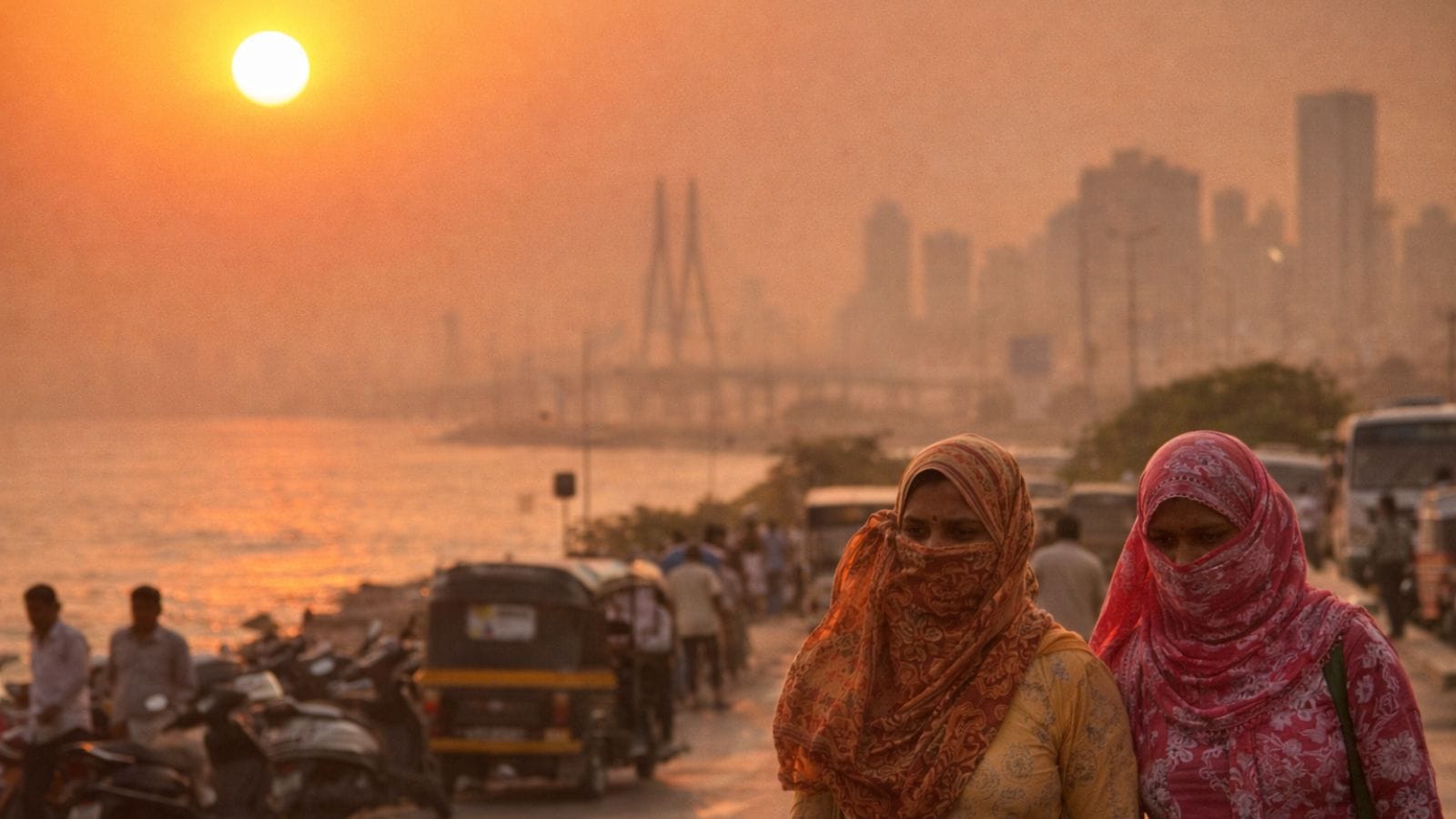
Mumbai is currently facing a period of intense heat, with temperatures reaching 35 degrees Celsius. This weather comes as a surprise to many because weather experts had predicted rain for the city. Instead of the expected showers, residents are dealing with bright sunshine and very high humidity. This combination makes the air feel much hotter than the actual temperature recorded on the thermometer.
Main Impact
The primary impact of this heat is the physical discomfort felt by millions of people across the city. When the temperature hits 35 degrees in a coastal city like Mumbai, the high moisture in the air prevents sweat from evaporating quickly. This makes the "real feel" temperature much higher, often making it feel like it is over 40 degrees Celsius. This situation has led to a rise in health complaints and has changed the daily routines of people who work outdoors.
Key Details
What Happened
For the past few days, the India Meteorological Department (IMD) suggested that Mumbai would see cloudy skies and light to moderate rain. However, the rain clouds did not form as expected over the main parts of the city. Instead, the clouds remained thin, allowing the sun to heat the ground and the buildings. This created a trap for heat, leading to a sudden spike in the afternoon temperature. Many people who left their homes with umbrellas expecting rain found themselves using those same umbrellas to hide from the sun.
Important Numbers and Facts
The weather station in Santacruz, which tracks the city's main weather patterns, recorded a maximum temperature of 35 degrees Celsius. This is several degrees higher than what is normal for this time of year. Humidity levels have stayed between 70% and 80%, which is very high. When humidity is this high, the body cannot cool itself down naturally. Doctors have reported a small increase in cases of dehydration and heat-related headaches among commuters who use the local trains and buses during the peak afternoon hours.
Background and Context
Mumbai is a city located right next to the Arabian Sea. Usually, during this season, the sea breezes and regular rainfall keep the temperatures under control. However, weather patterns can sometimes shift. If the winds that bring moisture from the sea slow down or change direction, the rain stops. This is known as a "dry spell." During these dry spells, the tropical sun is very strong. Because Mumbai has so many concrete buildings and very few trees in some areas, the city traps heat. This is a common problem in big cities where the stone and metal of the buildings stay hot long after the sun goes down.
Public or Industry Reaction
The reaction from the public has been one of frustration and concern. On social media, many residents have shared photos of their weather apps showing the high temperatures alongside the "rain" icons that never came true. Office workers are complaining about the heat inside public transport, as many local trains do not have air conditioning. Small business owners, especially those selling cold drinks and water, have seen a sudden jump in sales. On the other hand, construction companies have had to give their workers more breaks to ensure no one faints while working under the direct sun.
What This Means Going Forward
Looking ahead, the weather office says that the rain might return soon, but the heat could stay for another few days. This situation shows how difficult it is to predict weather accurately in a changing world. For the people of Mumbai, this means they must take extra care. Experts suggest drinking plenty of water, wearing light cotton clothes, and staying indoors during the hottest part of the day, which is usually between 12:00 PM and 4:00 PM. If the rain does not arrive soon, the city might also have to worry about water levels in the lakes that provide drinking water, though it is too early to be certain about that yet.
Final Take
The current heat in Mumbai is a reminder of how unpredictable nature can be. Even with modern technology, the weather can change in ways that surprise everyone. While the city waits for the cooling effect of the monsoon rains, the focus remains on staying healthy and managing the daily challenges of living in a very hot and humid environment. The hope is that the clouds will soon gather and bring the much-needed relief that the forecast originally promised.
Frequently Asked Questions
Why is it so hot in Mumbai if rain was predicted?
The rain clouds did not form as expected, and a lack of wind allowed the sun to heat the city directly. This created a dry spell where the temperature rose quickly despite the earlier forecast for showers.
Is 35 degrees Celsius normal for Mumbai?
While 35 degrees is common in the summer months of April and May, it is considered high for the rainy season. The high humidity makes this temperature feel much more uncomfortable than it would in a dry place.
How can I stay safe during this heat?
It is best to drink a lot of water, even if you do not feel thirsty. Wear loose, light-colored clothing and try to stay in the shade or in air-conditioned areas during the middle of the day to avoid heat exhaustion.



