
Summary
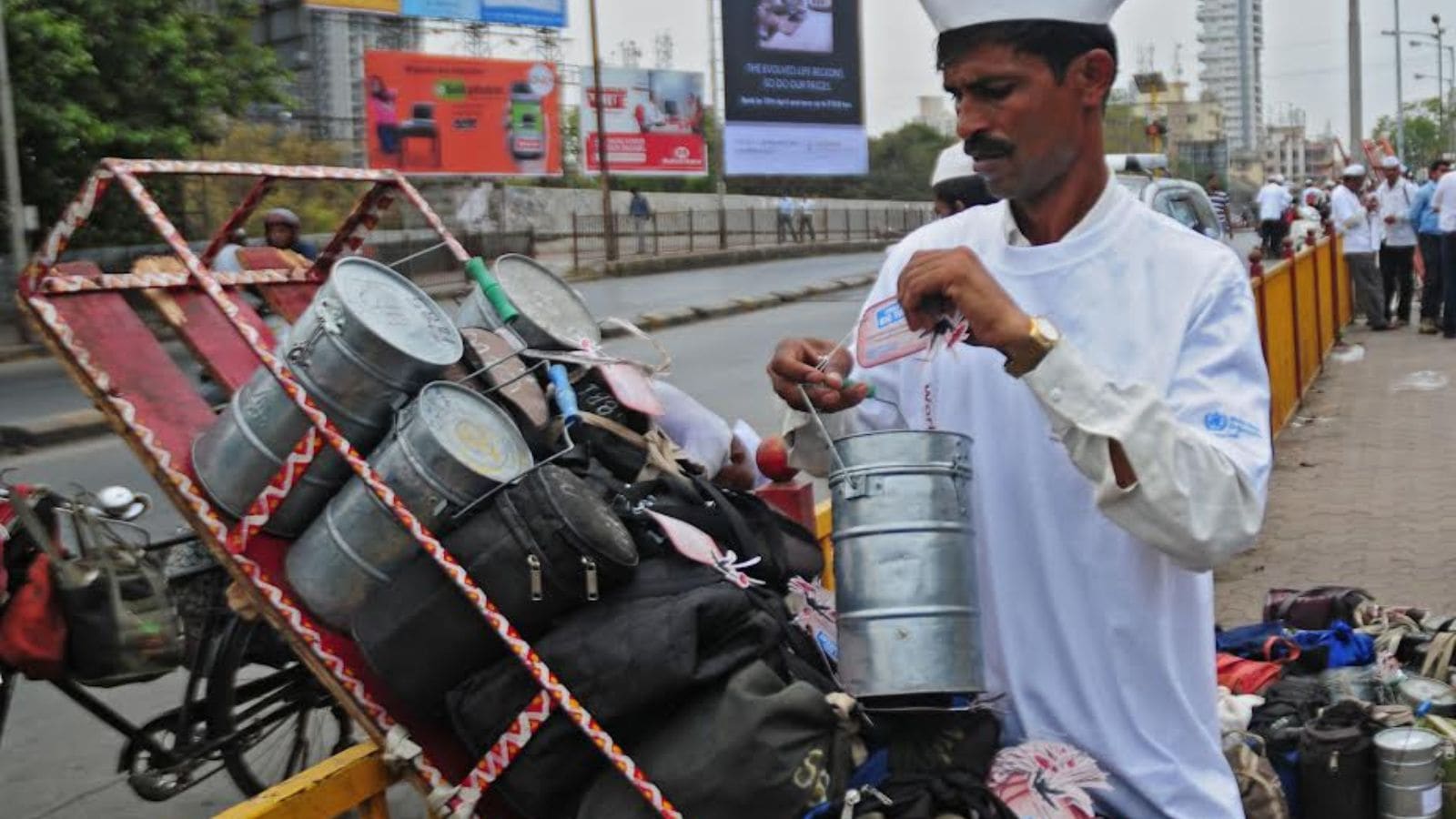
Mumbai’s world-famous tiffin delivery system, known as the Dabbawalas, is facing a major crisis. A sudden shortage of Liquified Petroleum Gas (LPG) has made it difficult for home kitchens to prepare meals on time. This disruption is affecting thousands of office workers who rely on these home-cooked lunches every day. The problem is not just about food; it is a threat to the livelihoods of over 5,000 delivery workers who keep the city running.
Main Impact
The shortage of cooking gas is hitting the very start of the delivery chain. Most of the meals delivered by Dabbawalas are cooked in private homes or small central kitchens. Without a steady supply of gas cylinders, these kitchens cannot finish cooking early enough for the morning pickup. This delay ripples through the entire system, causing the famous "Six Sigma" accuracy of the Dabbawalas to falter. For the first time in years, many workers are forced to deliver empty tiffins or cancel their rounds entirely.
Key Details
What Happened
Over the past two weeks, the supply of LPG cylinders in Mumbai has slowed down significantly. Many households that prepare food for the tiffin service report that their usual gas refills are taking twice as long to arrive. Some families have been told they must wait five to seven days for a new cylinder. Because these kitchens cook in large quantities, they run out of fuel quickly. When the gas runs out, the cooking stops, and the Dabbawalas have nothing to carry to the railway stations.
Important Numbers and Facts
The Dabbawala network is a massive operation that relies on perfect timing. Here are the key figures involved in this daily service:
- 200,000: The approximate number of lunch boxes delivered across Mumbai every single day.
- 5,000: The number of Dabbawalas who work in the city.
- 130 Years: How long this delivery system has been operating in Mumbai.
- Zero Technology: The system uses a complex code of colors and numbers instead of apps or GPS.
Background and Context
The Dabbawala system is more than just a food delivery service; it is a symbol of Mumbai’s culture. It started in the late 1800s to help workers get fresh, home-cooked food while they were at the office. The system is famous because it almost never fails. Even during heavy rains or local strikes, the Dabbawalas usually find a way to deliver. However, they cannot fix a problem that starts in the kitchen. If there is no gas to light the stove, the entire system breaks down. This current shortage is one of the biggest challenges they have faced in the modern era.
Public or Industry Reaction
The reaction from the public has been a mix of worry and frustration. Office workers in South Mumbai and the business districts are finding themselves without lunch, forcing them to spend more money on expensive restaurant food. Meanwhile, the Dabbawala associations are asking the government to step in. They want the authorities to treat tiffin-service kitchens as a priority for gas deliveries. Many workers fear that if the shortage lasts much longer, customers will find other ways to get food and will not return to the tiffin service.
What This Means Going Forward
If the gas supply does not return to normal soon, the financial impact will be severe. Dabbawalas earn money based on the number of customers they serve. If they cannot deliver, they do not get paid. There is also a risk that the cost of the service will have to go up. If gas prices rise or if people have to buy expensive "black market" cylinders to keep cooking, those costs will eventually be passed on to the customers. The city needs to find a way to stabilize the energy supply to protect this essential part of Mumbai's daily life.
Final Take
The Dabbawalas are a vital part of Mumbai's economy and history. While they are known for their incredible organization and hard work, they are currently at the mercy of a broken supply chain. Solving the gas shortage is not just about helping people cook; it is about saving a traditional industry that thousands of families depend on for their survival. The city must act quickly to ensure the stoves stay lit and the tiffins keep moving.
Frequently Asked Questions
Why is there a shortage of cooking gas in Mumbai?
The shortage is caused by delays in the distribution network and a high demand for refills. This has led to longer waiting times for households and small businesses to receive their gas cylinders.
How does this affect the average office worker?
Many workers rely on the Dabbawalas for healthy, affordable, home-cooked meals. Without gas to cook these meals, workers are forced to buy more expensive and often less healthy food from local restaurants.
Can the Dabbawalas use electric stoves instead?
While some larger kitchens might use electricity, most of the food is prepared in small homes that rely entirely on LPG cylinders. Switching to electric cooking would require expensive equipment that many families cannot afford right now.



