
Summary
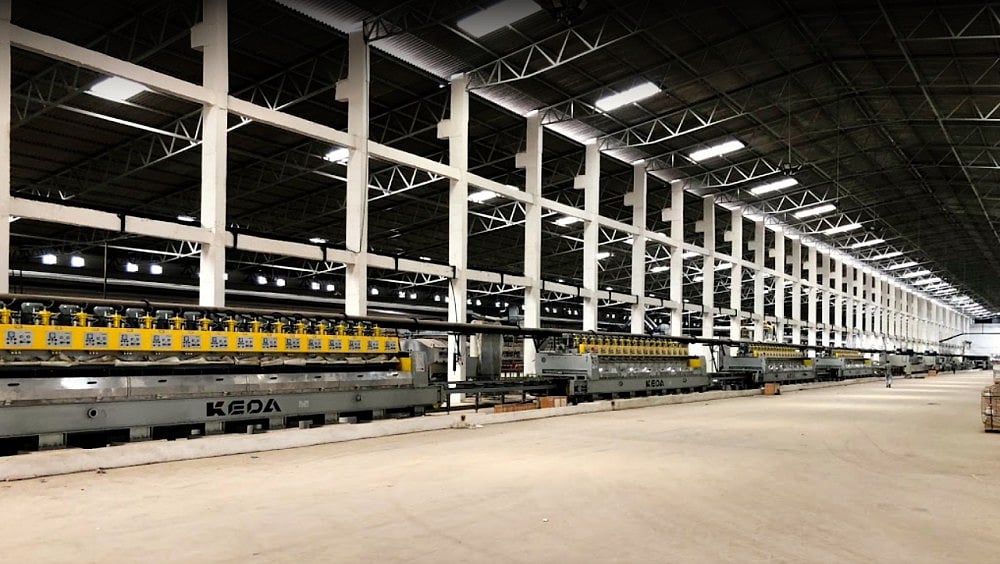
Around 100 ceramic factories in the Morbi district of Gujarat have stopped working because they cannot get the fuel they need. This problem started because of the ongoing war involving Iran, Israel, and the United States, which has blocked important shipping routes. Industry leaders warn that if the fuel supply does not return to normal soon, hundreds of other factories might also have to close their doors. This situation is putting thousands of jobs at risk and stopping products from being sent to customers around the world.
Main Impact
The sudden stop in production is a major blow to Morbi, which is known as one of the biggest centers for making ceramic tiles in the world. When these factories close, it creates a chain reaction that affects everyone from the factory owners to the workers and the shipping companies. The most immediate effect is the loss of daily production, which means companies cannot fulfill the orders they already have. This delay is making it hard for businesses to get paid, as they usually receive money only after their goods are shipped out of the country.
Key Details
What Happened
The factories in Morbi rely heavily on propane gas to run their large ovens, known as kilns, which bake the ceramic tiles. Over the last few days, the supply of this gas has completely stopped for many units. The war in the Middle East has made it dangerous for ships to carry fuel through the Gulf region. Because the ships cannot move safely, the propane is not reaching the ports in India. Without this fuel, the factories simply cannot operate.
Important Numbers and Facts
- 100 units: The number of factories that have already shut down in the last two days.
- 400 units: The number of additional factories that might close within the next week if gas does not arrive.
- March 20: The date by which even the factories using piped natural gas might have to stop working.
- 50 percent: The current level of fuel availability for factories that are still running.
- February 28: The date when military strikes in Iran caused the situation to get much worse.
Background and Context
Morbi is a very important town for India’s economy. It produces a huge portion of the tiles used in homes and offices across India and in many other countries. To make these tiles, the factories need a constant supply of energy. Many of them chose to use propane because it was often cheaper or easier to get than other types of gas. However, most of this propane comes from the Gulf region near Iran.
The current trouble started after a major military event on February 28. The United States and Israel carried out strikes that killed a top leader in Iran. In response, Iran began attacking military and shipping targets in the surrounding areas. This has made the sea routes near the Strait of Hormuz very dangerous. Since this is the main path for fuel ships, the entire supply chain has been broken, leaving industries in India without the resources they need to keep working.
Public or Industry Reaction
Manoj Arvadiya, the president of the local ceramic association, has expressed deep concern about the future of the industry. He explained that the financial health of these companies depends on a steady cycle of making and shipping goods. If the goods sit in a warehouse because they cannot be shipped, the companies run out of money to pay their bills and their workers.
The state government has also taken notice. Gujarat Chief Minister Bhupendra Patel has been talking to local leaders to understand how bad the situation is. The factory owners are hoping the government can provide some form of relief or help find alternative fuel sources if the war continues for a long time. For now, most factory owners are trying to keep their workers on the payroll, but they admit this will be hard to do if the machines stay silent for weeks.
What This Means Going Forward
If the war in the Middle East does not stop, the ceramic industry in Morbi could face a long-term crisis. Even the factories that do not use propane are starting to feel the pressure. Many use gas from a company called Gujarat Gas, but that supply is also expected to drop soon. If the supply falls too low, almost the entire district could stop production by late March.
There is also a risk that international buyers will start looking for tiles from other countries if India cannot deliver its orders on time. This would mean a loss of business that could take years to win back. The local economy in Morbi, which depends almost entirely on ceramics, would suffer greatly, leading to lower spending and potential job losses for thousands of families.
Final Take
The situation in Morbi shows how connected the world is today. A conflict thousands of miles away can quickly stop the wheels of industry in an Indian town. While the factory owners and the government are looking for ways to fix the problem, the reality is that as long as the shipping routes are blocked by war, the ceramic hub will remain in a very difficult position. The coming weeks will be a major test for one of India's most successful manufacturing sectors.
Frequently Asked Questions
Why are the factories in Morbi closing?
They are closing because they cannot get propane gas, which is the fuel used to run their machines. The supply has been cut off due to the war in the Middle East.
How many factories are affected?
So far, about 100 factories have shut down. Another 400 could close within a week if the fuel supply does not start again.
What is the government doing to help?
The Chief Minister of Gujarat is monitoring the situation and talking to industry leaders. The factories are asking for financial relief and help with fuel supplies if the crisis lasts a long time.

