Summary
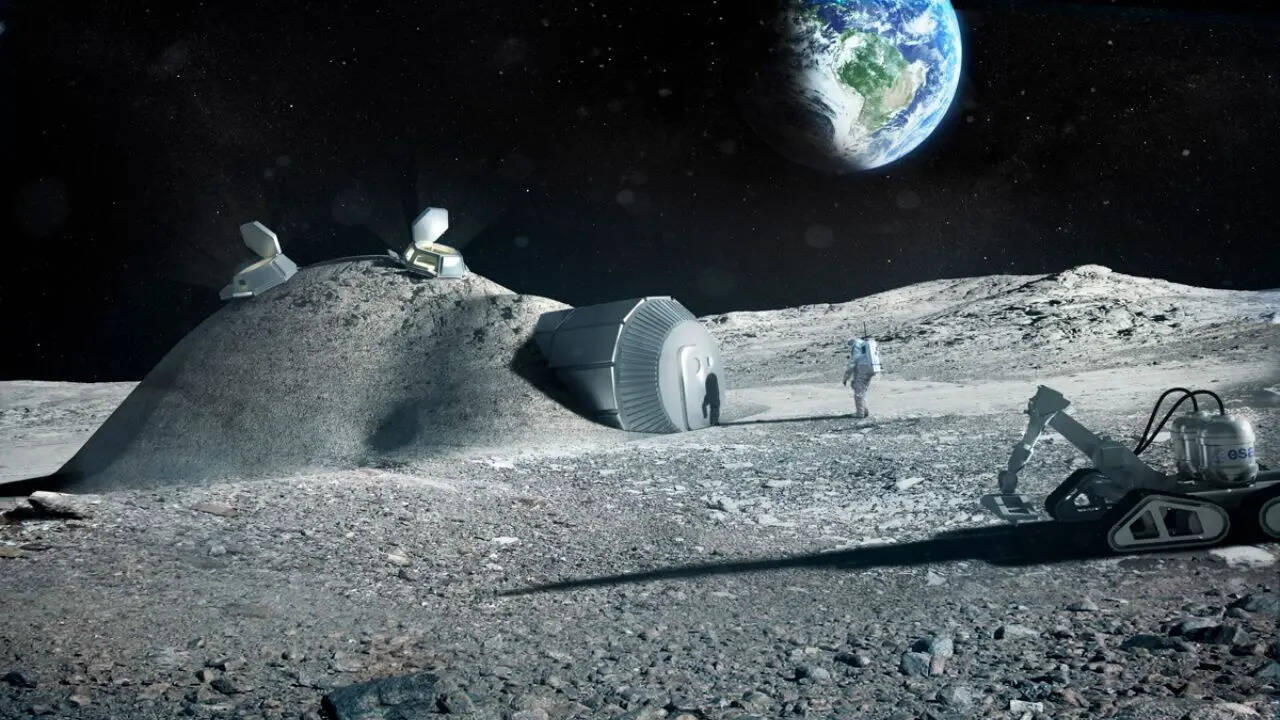
Space experts and scientists believe that humans will live and work on the Moon by the year 2030. This plan marks a major shift from short visits to building a permanent home in space. NASA and its partners are working on the Artemis program to make this goal a reality. If successful, the Moon will serve as a base for scientific research and a starting point for future trips to Mars.
Main Impact
The move toward living on the Moon will change how humans interact with space. Instead of just visiting for a few days, people will stay for months at a time. This permanent presence will allow scientists to study the Moon in ways that were never possible before. It also creates a new economy in space, where companies can test new technologies and search for valuable resources like water and minerals. This shift turns the Moon into a functional workplace rather than just a distant object in the sky.
Key Details
What Happened
NASA has shared updated plans for its Artemis missions, which aim to return humans to the lunar surface. Unlike the Apollo missions of the 1960s and 70s, these new missions focus on staying long-term. The plan involves building a small space station called the Gateway that will orbit the Moon. On the surface, astronauts will build a base camp near the lunar South Pole. This area is important because it contains ice, which can be turned into drinking water and rocket fuel.
Important Numbers and Facts
The timeline for these events is moving quickly. NASA hopes to send a crew around the Moon by 2025 and land people on the surface by 2026. By 2030, the goal is to have a steady flow of astronauts living in lunar habitats. Billions of dollars are being spent by governments and private companies like SpaceX to build the rockets and landing craft needed for these trips. The Artemis program involves more than 30 countries that have signed agreements to work together on space exploration.
Background and Context
It has been over 50 years since a human last walked on the Moon. During the Apollo era, the goal was mostly to prove that we could get there. Today, the goals are different. Technology has improved enough that we can now think about building structures on another world. Scientists want to use the Moon as a "test bed" for Mars. Since the Moon is only three days away from Earth, it is a much safer place to learn how to live in deep space before trying to reach Mars, which takes several months.
Public or Industry Reaction
The global space community is very excited about these plans. Many scientists believe that a lunar base will lead to huge breakthroughs in medicine, physics, and geology. However, some people are worried about the high costs and the risks to human life. There is also a sense of competition, as countries like China are also planning to build their own lunar bases by 2030. This has started a new "space race" where nations are rushing to claim the best spots on the Moon for research and mining.
What This Means Going Forward
In the coming years, we will see more rocket launches and new types of space gear. Engineers are currently designing 3D printers that can build houses using lunar dust. They are also working on ways to grow food in space. If these projects work, the Moon could eventually host not just scientists, but also workers and even tourists. The next decade will be a time of trial and error as humans learn to survive in a place with no air and very low gravity.
Final Take
Living on the Moon is no longer just a story from a movie. With the 2030 goal in sight, humanity is on the verge of becoming a multi-planet species. This effort will require hard work and global cooperation, but it promises to open a new chapter in human history.
Frequently Asked Questions
How will astronauts breathe on the Moon?
Astronauts will bring oxygen from Earth at first. Later, they plan to use machines to pull oxygen out of the lunar soil and ice found on the surface.
Will regular people be able to live there?
By 2030, only highly trained astronauts and scientists will live there. However, experts believe that space tourism could allow more people to visit in the future.
Why is the South Pole of the Moon so important?
The South Pole has deep craters that stay in the dark. These areas hold frozen water, which is essential for drinking, growing food, and making fuel for return trips to Earth.