
Summary
A Florida man who called himself "The Monkey Whisperer" has been arrested and sentenced for his role in an illegal exotic animal trade. Jimmy Wayne Hammonds operated a business that sold protected primates to buyers across the country without the required legal permits. This case has drawn national attention to the underground market for exotic pets and the federal laws designed to stop it. His actions violated several wildlife protection acts, leading to heavy fines and a prison sentence.
Main Impact
The arrest of Jimmy Wayne Hammonds marks a significant victory for federal wildlife officials. By shutting down his operation, authorities have disrupted a major path for the illegal sale of monkeys in the United States. This case serves as a warning to others who use social media to market exotic animals. It highlights the fact that federal agents are actively monitoring online platforms to catch those who bypass animal welfare laws. The impact goes beyond just one man, as it forces a conversation about the ethics of keeping primates as household pets.
Key Details
What Happened
Jimmy Wayne Hammonds ran a business in Florida where he bred and sold exotic animals. He became well-known under the name "The Monkey Whisperer." However, his business practices were not legal. He was caught selling monkeys to people who did not have the proper licenses to own them. To hide these sales, Hammonds often filled out false paperwork or moved the animals across state lines in secret. One of his most famous clients was a high-profile celebrity, which brought even more eyes to his illegal activities. Federal investigators spent a long time tracking his sales and gathering evidence of his law-breaking behavior.
Important Numbers and Facts
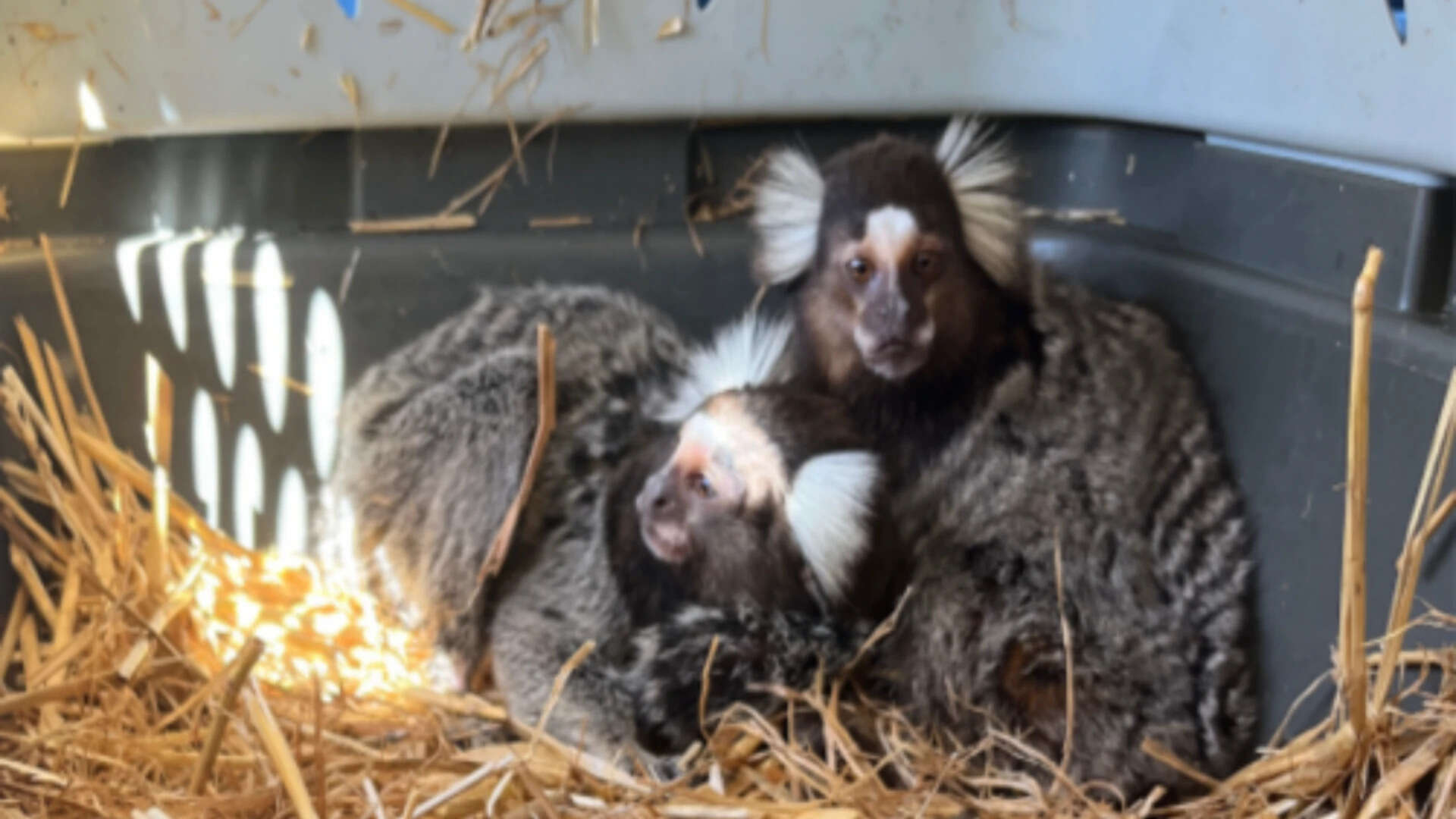
The legal consequences for Hammonds were severe. He was ordered to pay a fine of $90,000, which will go toward a fund that helps protect endangered species. In addition to the money, he was sentenced to serve 14 months in federal prison. After his release, he will spend several years on probation, during which he is strictly forbidden from working with or selling wildlife. The court also focused on the specific types of animals he traded, which included capuchin monkeys and marmosets. These animals are protected under the Lacey Act, a law that makes it a crime to trade wildlife in violation of state or federal rules.
Background and Context
The trade of exotic animals is a massive industry, but much of it happens in the shadows. In the United States, laws like the Endangered Species Act and the Lacey Act are in place to ensure that animals are not taken from the wild or sold in ways that cause them harm. Primates, such as the ones Hammonds sold, are highly intelligent and social creatures. They require very specific care that most average pet owners cannot provide. When these animals are sold illegally, they often end up in homes where they are neglected or become dangerous as they grow older. This case matters because it shows the dark side of the "cute" monkey videos often seen on the internet.
Public or Industry Reaction
Animal rights groups have expressed strong support for the arrest and sentencing. Many organizations argue that monkeys should never be kept as pets because it is cruel to the animals and risky for humans. They believe that the "Monkey Whisperer" brand was misleading because it made the illegal trade look like a harmless hobby. On the other hand, some people in the exotic pet community feel that the laws are too strict. However, the general public reaction has been one of shock at how easily these animals were being moved around the country without any oversight.
What This Means Going Forward
Moving forward, federal agencies are expected to increase their efforts to stop illegal wildlife trafficking. This case has provided a roadmap for how to track illegal sellers through their digital footprints. Law enforcement will likely keep a closer watch on breeding facilities in Florida and other states where exotic animal laws are often tested. For the public, this serves as a reminder to check local and federal laws before considering an exotic pet. It also puts pressure on social media companies to do more to prevent the sale of live animals on their platforms.
Final Take
The story of the "Monkey Whisperer" shows that the illegal trade of exotic animals is a serious crime with real consequences. While the idea of owning a monkey might seem fun to some, the reality involves breaking federal laws and potentially harming the animals involved. This legal outcome ensures that one of the most prominent illegal sellers is off the market, making the world a little safer for protected wildlife.
Frequently Asked Questions
Why was the "Monkey Whisperer" arrested?
He was arrested for selling exotic monkeys across state lines without the proper permits and for falsifying legal documents to hide his illegal sales.
What kind of monkeys did he sell?
He primarily sold capuchin monkeys and marmosets, which are popular in the exotic pet trade but require strict federal oversight.
What is the Lacey Act?
The Lacey Act is a federal law in the United States that bans the illegal trade of wildlife, fish, and plants. It helps protect endangered species from being sold or moved illegally.

