
Summary
Lawmakers in Minnesota have found a rare point of agreement in a political climate that is often divided. Both parties are coming together to support a bill that updates the rules for "meat raffles," a long-standing local tradition. The proposed law will increase the maximum value of meat prizes that charities can give away during these events. This change is meant to help local organizations keep up with the rising cost of food while continuing to raise money for community projects.
Main Impact
The primary goal of this legislation is to raise the prize limit for meat raffles from $70 to $200. For nearly 40 years, the state has kept a strict cap on how much a single prize can be worth. However, as inflation has caused the price of beef, pork, and poultry to climb, the old limit has become a problem for organizers. By increasing the cap, charities can offer higher-quality items, such as thick steaks or large family grill packs, which helps attract more participants and generates more funding for local causes.
Key Details
What Happened
The Minnesota Legislature is currently moving a bill through the House and Senate to modernize charitable gambling rules. Meat raffles are social events usually held in bars or community centers where people buy tickets for a chance to win packages of meat. Because the current $70 limit was set in the 1980s, it no longer covers the cost of many popular meat products. The new bill has received strong support from both Republicans and Democrats, making it one of the most popular pieces of legislation this year.
Important Numbers and Facts
The current prize limit of $70 has not been updated in almost four decades. Under the new proposal, this limit will jump to $200 per event. Most participants play by purchasing tickets for $1 or $2. These small bets add up to significant amounts for the groups running the games. For example, local American Legion posts and Lions Clubs use these funds to pay for youth baseball teams, maintain monuments for veterans, and support active-duty military members and their families.
Background and Context
Meat raffles are a unique part of the culture in the Upper Midwest, particularly in Minnesota and Wisconsin. The tradition actually started in the United Kingdom during World War II. At that time, food was rationed, and a raffle was a way for people to have a chance at getting extra meat. The practice eventually traveled to North America. Today, it serves as a major social event. On Friday nights, many local bars are filled with people waiting for a wheel to spin, hoping their number is called so they can take home dinner for the week.
These events are more than just a game; they are a vital source of income for small-town charities. When people visit a bar for a raffle, they also buy food and drinks, which helps local businesses stay open. The money left over after the prizes are paid for goes directly back into the community. Without these funds, many small local programs would struggle to survive.
Public or Industry Reaction
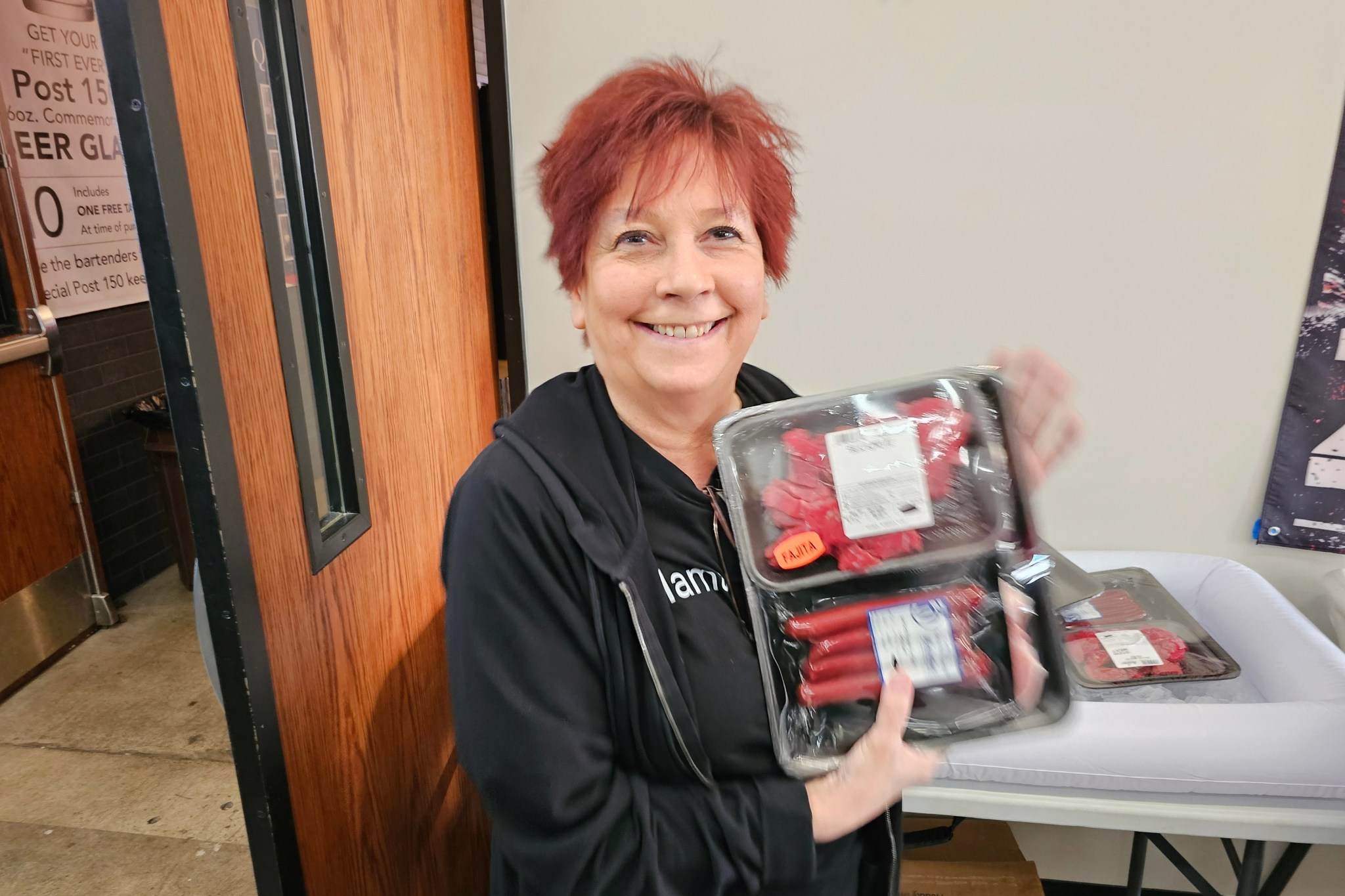
The reaction to the bill has been very positive. Republican Representative Jim Nash, who is a lead author of the bill, called it a "feel-good" piece of legislation. He noted that it is an opportunity for politicians to work together on something that helps everyone. Local residents are also excited. Regular players, like Andrea Avaloz, enjoy the excitement of the game. She recently won a prize that included fajita meat, beef sticks, and pork chops, proving that even with current limits, the game is a hit.
Charity leaders are also relieved. Joe Gifford, a commander at an American Legion post, explained that the raffle is a key tool for drawing crowds. He mentioned that every dollar raised goes toward community services. Even newcomers to the state, like Ashley Burris, who moved from Virginia, have embraced the tradition. She noted that while she did not know the prizes were limited by law, she is always happy to have a chance at winning a good rib-eye steak.
What This Means Going Forward
Once the bill is officially signed into law, charities will be able to offer much better prizes. This is expected to increase the popularity of meat raffles even further. Organizers will be able to partner with local butchers to provide high-end cuts of meat that were previously too expensive to include. This creates a cycle that benefits the charity, the local business, and the person who wins the prize.
The success of this bill also shows that even in a divided government, common-sense updates to old laws can pass quickly if they benefit the community. For Minnesota, it ensures that a quirky and beloved tradition will remain a part of the state's social life for many more years. It also protects the steady flow of donations that local veterans' groups and youth sports rely on to operate.
Final Take
The meat raffle is a simple tradition that represents the heart of community life in Minnesota. By updating a 40-year-old law, state leaders are acknowledging the reality of rising costs while protecting a fun way to give back. This bipartisan effort proves that sometimes, the best way to bring people together is through a shared love for local culture and a good steak dinner.
Frequently Asked Questions
What is a meat raffle?
A meat raffle is a community event, often held in bars or social clubs, where people buy tickets for a chance to win various packages of meat, such as steaks, roasts, or sausages. The winning numbers are usually chosen by spinning a wheel.
Why did the prize limit need to change?
The previous limit of $70 was set nearly 40 years ago. Because the price of meat has increased significantly over time, $70 is no longer enough to buy the large or high-quality meat packs that players want to win.
Who benefits from the money raised?
The money raised from meat raffles goes to local charities. These groups use the funds for community projects, such as supporting youth sports teams, helping veterans, and maintaining local parks or monuments.



