Summary
Oil-rich nations in the Middle East are facing a massive economic crisis and are asking U.S. President Donald Trump for urgent help. The ongoing conflict involving the United States, Israel, and Iran has led to a blockade of the Strait of Hormuz, a vital path for global energy. This situation has stopped oil and gas exports from reaching the rest of the world, causing energy prices to soar. These countries, which have long been close allies of the U.S., now find themselves caught in the middle of a high-stakes trade and military war.
Main Impact
The biggest impact of this crisis is the sudden stop of energy supplies to the global market. Because the Strait of Hormuz is blocked, countries like Saudi Arabia and the United Arab Emirates cannot ship their oil. This has created a massive shortage, leading to the highest energy prices seen in years. In Europe and Asia, the cost of fuel and electricity is rising at a rate not seen since the start of the Ukraine war in 2022. This economic shock is threatening to slow down global growth and is putting intense pressure on the U.S. government to find a solution.
Key Details
What Happened
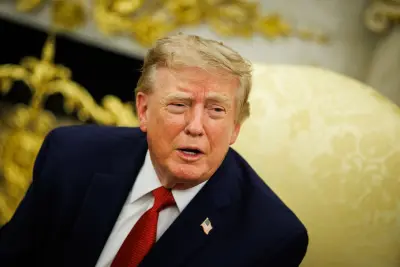
The crisis began as a military and political struggle between the U.S. administration, led by Donald Trump, and the Iranian government. Along with Israel, the U.S. has taken a very hard line against Iran, leading to a series of events that resulted in the "double closure" of the Strait of Hormuz. This waterway is a narrow passage that connects the Persian Gulf to the rest of the world's oceans. When this passage is closed, the flow of energy effectively stops. For the Gulf nations, this means their main source of money has been cut off almost overnight.
Important Numbers and Facts
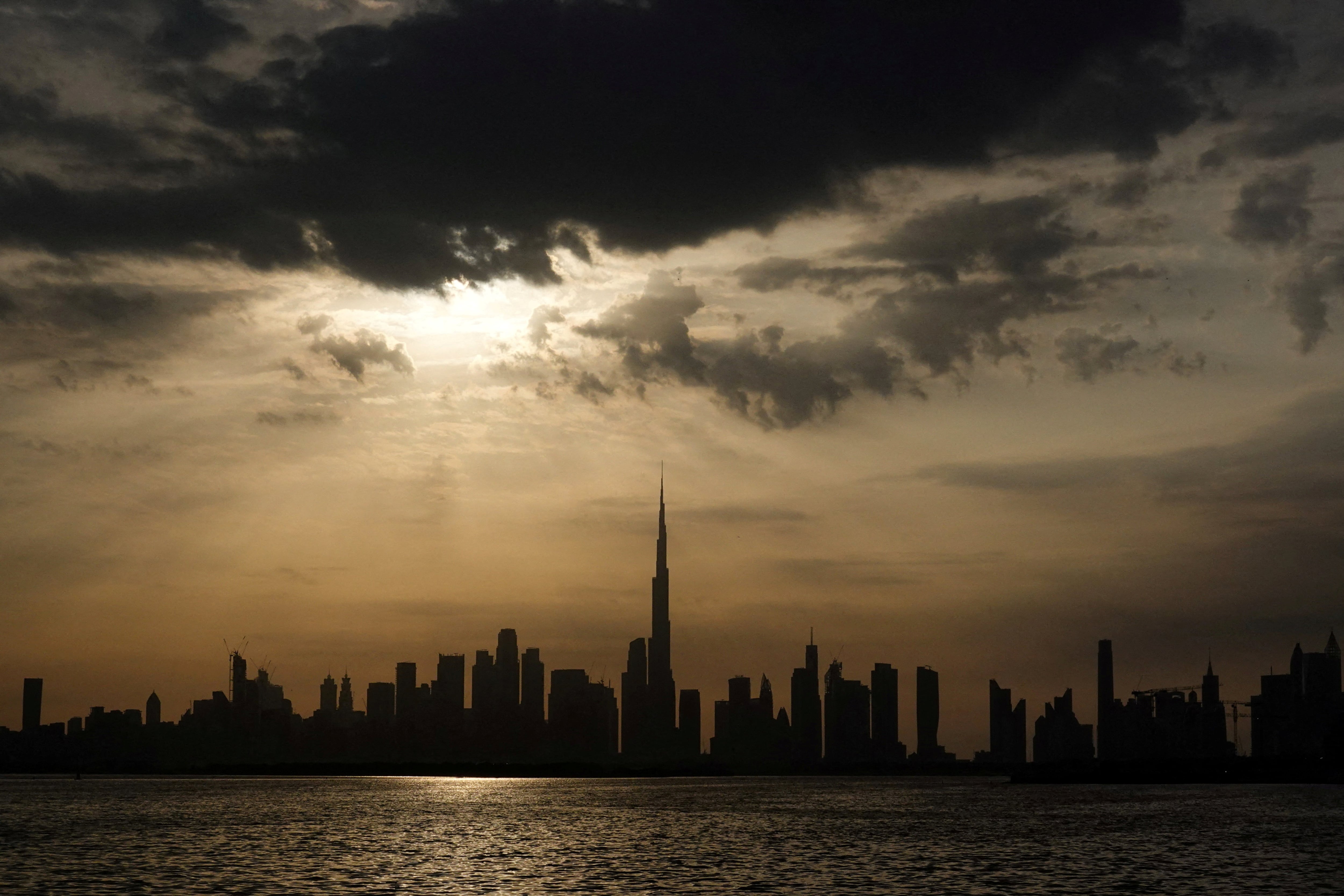
Six major nations are currently feeling the most pain: Saudi Arabia, the United Arab Emirates (UAE), Iraq, Kuwait, Qatar, and Bahrain. These countries provide a huge portion of the world's daily oil and liquefied natural gas. Since the blockade began, exports have dropped significantly, leaving tankers stuck at sea or unable to leave port. Market experts say the price of oil could reach record levels if the path is not cleared soon. This is not just a local problem; it affects every person who pays for gas or heating in distant parts of the world.
Background and Context
To understand why this is so serious, you have to look at how the world gets its energy. The Strait of Hormuz is often called a "choke point." It is very narrow, but about one-fifth of the world's total oil supply passes through it every day. For decades, the U.S. military has helped keep this area safe to ensure that oil flows freely. However, the current strategy of using maximum pressure against Iran has backfired on America's own friends. The Gulf monarchies rely on the U.S. for security, but they also rely on selling oil to survive. Now, the very actions meant to hurt Iran are causing a "cataclysm" for the economies of America's closest partners in the region.
Public or Industry Reaction
Leaders in the Middle East are sending urgent messages to the White House. They are calling this an "SOS" situation because their budgets are failing. Without oil revenue, these countries cannot pay for their large building projects or social programs. Industry experts are also worried. Shipping companies have stopped sending vessels into the area because the risk of attack or seizure is too high. Insurance costs for ships have gone through the roof, making it even harder to move goods. Many business leaders are calling on President Trump to negotiate a deal that reopens the shipping lanes before the global economy suffers permanent damage.
What This Means Going Forward
The next few weeks will be critical for the global economy. If the U.S. continues its current path, the Gulf nations may have to look for new allies or change their own policies to survive. There is a risk that this economic pain could lead to protests or instability within the Middle East. President Trump faces a difficult choice: he can continue his war of words and sanctions against Iran, or he can step back to save the economies of his allies. If the Strait of Hormuz remains closed, the world may have to prepare for a long period of high prices and energy shortages.
Final Take
The current situation shows how connected the world is. A conflict in one small part of the ocean can cause prices to rise in homes thousands of miles away. While the U.S. wants to show strength against Iran, it is currently hurting the very countries it promised to protect. The "SOS" from the Gulf is a clear sign that the economic cost of this war is becoming too high for anyone to ignore. Reopening the shipping lanes is no longer just a military goal; it is a necessity for the financial survival of the Middle East and the rest of the world.
Frequently Asked Questions
Why is the Strait of Hormuz so important?
It is the main exit for oil and gas coming out of the Persian Gulf. Most of the world's energy supply must pass through this narrow water path to reach global markets.
Which countries are most affected by the blockade?
Saudi Arabia, the UAE, Qatar, Kuwait, Iraq, and Bahrain are the most affected. They cannot export their oil and gas, which is their main source of income.
How does this affect people outside the Middle East?
When oil cannot be shipped, there is less supply. This causes the price of gasoline, heating, and electricity to go up for everyone, especially in Europe and Asia.