Summary
More than 70 civil rights organizations have joined together to send a serious warning to Meta CEO Mark Zuckerberg. The group is urging the company to stop its plans to add facial recognition technology to its smart glasses. These organizations believe that the new feature, known as "Name Tag," would put people at risk by helping stalkers, scammers, and sexual predators. They argue that the technology is too dangerous to be fixed with simple settings or updates and should be removed entirely.
Main Impact
The biggest concern regarding this technology is the loss of personal privacy in public spaces. If Meta adds facial recognition to its glasses, anyone wearing them could identify strangers on the street instantly. This happens without the other person's knowledge or permission. Civil rights groups say this creates a world where people can no longer move through their daily lives anonymously. It gives bad actors a powerful tool to track and harass individuals by matching their faces to their names and online data.
Key Details
What Happened
A coalition of major groups, including the ACLU, the Electronic Privacy Information Center, and Access Now, wrote a formal letter to Meta. They are not asking for better privacy settings or "opt-out" buttons. Instead, they want Meta to cancel the facial recognition project completely. The letter explains that there is no way to make this technology safe because bystanders cannot give consent to being scanned by someone else's glasses. The groups are also asking Meta to be honest about whether its current wearable devices have already been used for stalking or domestic violence.
Important Numbers and Facts
The pushback involves over 70 different organizations. This is not the first time Meta has faced trouble over facial recognition. In 2021, the company had to shut down its photo-tagging system on Facebook after years of legal battles. Meta has paid massive amounts of money to settle privacy lawsuits in the past. This includes a $1.4 billion settlement with the state of Texas and a $650 million settlement in Illinois. Additionally, the Federal Trade Commission (FTC) fined the company $5 billion for privacy violations that were partly linked to facial recognition software.
Background and Context
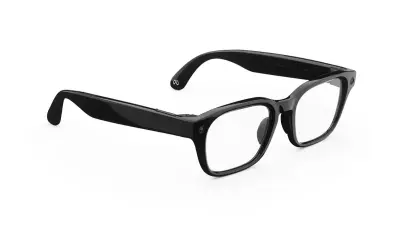
Meta has been working on smart glasses for several years, often partnering with brands like Ray-Ban. These glasses already have cameras that can take photos and record video. The new feature, "Name Tag," would use Artificial Intelligence (AI) to identify people in the wearer's view. Reports suggest Meta is looking at two versions of this tool. One would identify people who are already friends with the wearer on Meta's apps. The other version would be able to identify anyone who has a public account on Instagram or other Meta services.
The controversy grew even larger after a memo from last year was discovered. In that memo, Meta suggested it might release this technology during a busy political time. The idea was that civil rights groups would be too busy with other issues to notice or complain. The coalition of groups called this a "vile" strategy that tries to take advantage of a distracted public.
Public or Industry Reaction
The reaction from privacy experts has been very negative. They point out that once a person's face is linked to their name, a stranger could find out where they work, where they live, and who their family members are. This is especially scary for victims of domestic abuse or people who are being stalked. Law enforcement experts are also concerned. The groups want to know if Meta has been talking to federal agencies, like ICE, about using these glasses for government surveillance. So far, the public response suggests that many users might delete their social media accounts just to keep their faces out of Meta's database.
What This Means Going Forward
Meta is currently planning to release the "Name Tag" feature sometime in 2026, but that date could change. Because of the heavy pressure from these 70 groups and the history of expensive lawsuits, Meta may be forced to rethink its plans. If the company moves forward, it could face new legal challenges in states with strict privacy laws. For regular people, this situation highlights a growing problem: as AI gets better, it becomes harder to keep our private lives private when we are out in public.
Final Take
The fight over facial recognition on smart glasses is about more than just a new gadget. It is about whether people have the right to walk down the street without being tracked by a computer. While Meta sees this as a helpful tool for social connection, civil rights groups see it as a dangerous weapon for harassment. The outcome of this debate will likely set the rules for how privacy works in the age of wearable AI.
Frequently Asked Questions
What is Meta's "Name Tag" feature?
It is a planned feature for Meta's smart glasses that uses AI to identify people in the wearer's field of view and show their names or social media profiles.
Why are civil rights groups worried?
They believe the technology will be used by stalkers and predators to identify and track people without their consent, making public spaces unsafe.
Has Meta used facial recognition before?
Yes, Meta used it for photo tagging on Facebook for years but stopped in 2021 after facing major lawsuits and billion-dollar fines over privacy concerns.