Summary
Three people were killed in new violence in Manipur’s Ukhrul district on Friday morning. These deaths have caused more anger among local people who feel the central government is not doing enough to stop the fighting. The latest incidents show that the hill districts are still very dangerous, even as political leaders face criticism for how they are handling the crisis. This violence is part of a long-running conflict that continues to disturb the peace in the region.
Main Impact
The main impact of these killings is a growing sense of fear and a loss of trust between different ethnic groups. For a long time, some hill districts were seen as safer than other parts of Manipur, but that is changing. The spread of violence into these areas suggests that the situation is getting worse instead of better. Additionally, the lack of a strong response from top leaders in the central government has left many residents feeling ignored and unprotected.
Key Details
What Happened
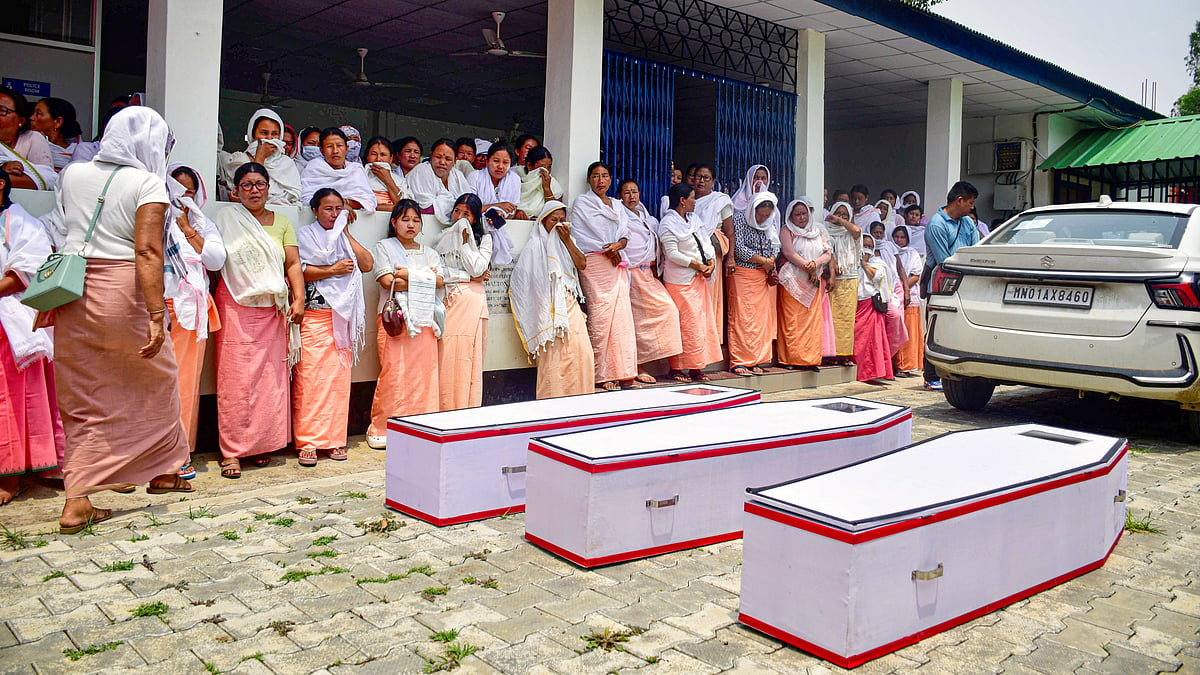
On Friday morning, two separate violent events took place in Ukhrul district. The first happened near Mullam village around 5:30 am. Armed groups began shooting at each other, and several houses were set on fire. Later that morning, security forces found the bodies of two men, identified as L. Sitlhou and P. Haolai. Both were wearing camouflage clothes and had died from bullet wounds. A Kuki organization described them as village volunteers who were trying to protect their homes.
The second incident occurred near Sinakeithei village. A 29-year-old man named H. Jamang was killed in an ambush by armed militants. He was from the neighbouring Kamjong district. Local Naga groups claimed that Kuki militants were responsible for this attack. They said the victim was part of a group of village guards who were patrolling the area because of recent disruptions.
Important Numbers and Facts
The violence on April 24 follows another deadly attack on April 18. In that earlier incident, two Naga civilians were killed when militants shot at a line of civilian cars on a main highway. This means at least five people have died in this specific area in just one week. The state has been dealing with this ethnic conflict for nearly three years, and thousands of people have been forced to leave their homes during this time. Currently, many areas remain under strict security rules and curfews to prevent more fighting.
Background and Context
Manipur has been struggling with ethnic violence for a long time. The conflict usually involves different groups living in the hills and the valleys. While the fighting has been going on for years, the recent spread into Naga-majority areas like Ukhrul is a worrying sign. It shows that the tension is moving into parts of the state that were previously quiet. People are upset because they feel the government is only using police and soldiers to manage the problem instead of finding a real political solution. Many local groups are now asking for international attention because they feel the local and national governments are failing them.
Public or Industry Reaction
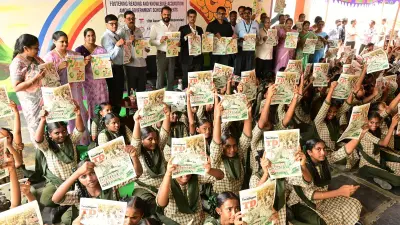
The reaction from local organizations has been very strong. The Naga Students' Federation held a large vigil to remember the victims and demand justice. They even sent a message to the United Nations Human Rights Council, saying there is a planned pattern of attacks against their people. On the other side, Kuki organizations are calling for immediate police investigations into the burning of houses and the killing of their volunteers. Politically, the opposition party has criticized the Prime Minister and the Home Minister. They pointed out that while Manipur is facing fresh killings, top leaders are busy campaigning for elections in other states like West Bengal.
What This Means Going Forward
Going forward, the situation remains very unstable. The Chief Minister of Manipur recently said that there is no choice but to have a dialogue between the groups. However, it is hard to start talking when people are still being killed. The risk is that these small attacks will lead to even bigger clashes between the Naga and Kuki communities. If the central government does not step in with a clear plan to bring peace, the cycle of violence, protests, and curfews is likely to continue. For the people living there, normalcy feels like a very distant goal.
Final Take
The fresh killings in Manipur show that the state is far from peaceful. Security measures alone are not stopping the violence, and the trust between communities is breaking down further every day. Without a serious effort from the highest levels of government to bring people together for talks, the region will remain trapped in a dangerous cycle of revenge and fear. The people of Manipur are waiting for more than just more soldiers; they are waiting for a way to live without the constant threat of war.
Frequently Asked Questions
Where did the latest violence in Manipur take place?
The latest incidents happened in the Ukhrul district, specifically near Mullam and Sinakeithei villages, which are located in the hill areas of the state.
Who were the victims in the recent attacks?
Three men were killed on Friday. Two were identified as L. Sitlhou and P. Haolai near Mullam village, and one was identified as 29-year-old H. Jamang near Sinakeithei village.
What are local groups asking the government to do?
Local groups are demanding faster police investigations, better protection for villages, and a real political solution to end the ethnic conflict that has lasted for three years.