Summary
The long-running ethnic conflict in Manipur has entered a dangerous new phase as tensions spread to the Naga and Kuki communities. For nearly three years, the state has been divided by violence that has claimed hundreds of lives and forced thousands from their homes. Recent clashes between Naga and Kuki groups suggest that the crisis is widening, making it even harder for the government to restore order. This shift comes as local leaders and residents express growing frustration over the lack of a permanent solution to the unrest.
Main Impact
The most significant impact of these recent events is the breakdown of the fragile peace between the Naga and Kuki communities. Previously, the violence was mostly contained between the Meitei and Kuki-Zo groups. By involving a third major ethnic group, the conflict has become more complex and harder to manage. This expansion threatens to pull the entire state into a multi-sided struggle, further damaging the local economy and making daily life impossible for many citizens.
Key Details
What Happened
On Tuesday, fresh violence broke out along the borders of the Senapati and Kangpokpi districts. The trouble began when the United Naga Council called for a three-day total shutdown. This protest was a response to the killing of two people in the Ukhrul district on April 18, allegedly by Kuki militants. When local police tried to clear a roadblock set up by Naga volunteers, the situation turned violent. Residents from a nearby Kuki village became involved, leading to intense stone-pelting and physical confrontations between the two groups. The shutdown has effectively stopped all movement and business in several districts, including Ukhrul, Kamjong, Senapati, Noney, and Tamenglong.
Important Numbers and Facts
The human cost of the unrest in Manipur is high. Since the violence first began in May 2023, more than 250 people have lost their lives. Over 60,000 people have been forced to leave their homes and are currently living in relief camps or other temporary shelters. The state’s economy has also suffered a major blow, with tourist arrivals dropping by 90% due to safety concerns and high travel costs. The current shutdown, which started at midnight on April 20, has brought normal life to a complete halt in five major districts inhabited by the Naga community.
Background and Context
The current crisis in Manipur started on May 3, 2023. It began after a "tribal solidarity march" was organized to protest a court suggestion that the Meitei community be given Scheduled Tribe status. This status provides certain benefits in jobs and education, which other tribal groups, like the Kukis, felt would be unfair to them. What started as a protest quickly turned into violent clashes that spread across the state. For three years, the central and state governments have struggled to stop the fighting. While security forces are present, the deep-seated distrust between the different ethnic groups remains the biggest obstacle to peace.
Public or Industry Reaction
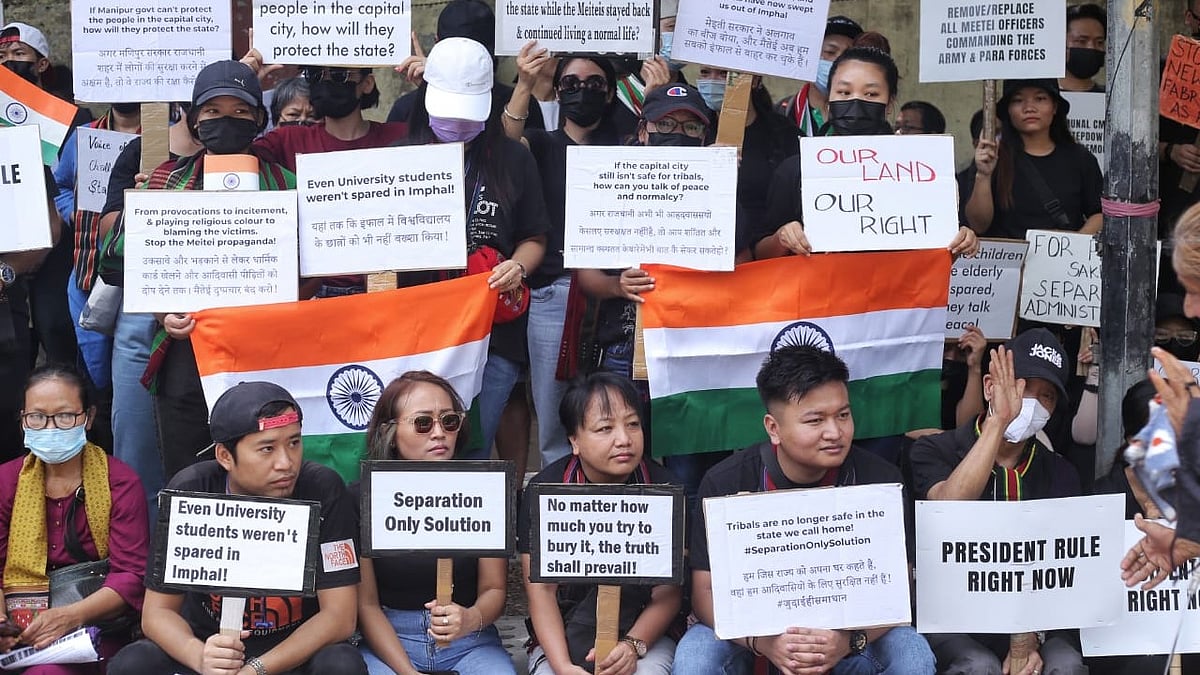
Local leaders and political parties have been very vocal about the government's failure to handle the situation. Bimol Akoijam, a Member of Parliament from Inner Manipur, recently stated that the central government is not doing enough to bring people together. He argued that the government has simply created "buffer zones" to keep groups apart instead of solving the underlying problems. The Congress party has also attacked the Prime Minister, accusing him of staying silent while the state suffers. Civil society groups have held protests in the streets, demanding that the government stop the violence and hold those responsible for the recent killings accountable. They are also calling for the national census to be delayed until there is a clear law to identify who is a legal citizen in the state.
What This Means Going Forward
The involvement of the Naga community marks a turning point that could lead to more widespread instability. If the government does not act quickly to start a real dialogue between all ethnic groups, the violence could become even more difficult to control. There is a high risk that more "buffer zones" will be created, which effectively divides the state into ethnic territories. This makes it very hard for the government to provide basic services like healthcare and education. In the coming months, the focus will likely be on whether the central government will change its strategy and move from just using security forces to using political negotiation to end the fighting.
Final Take
Manipur is facing a humanitarian crisis that shows no signs of ending. The shift from a two-way conflict to a multi-group struggle is a clear warning that the current approach to keeping the peace is not working. True stability will only return when all communities feel safe and heard by the government. Without a serious effort to address the fears and demands of every group involved, the cycle of violence and displacement will likely continue, leaving the state in a permanent state of emergency.
Frequently Asked Questions
Why did the Naga and Kuki communities start clashing?
Tensions rose after two people were killed in the Ukhrul district on April 18. Naga groups blamed Kuki militants for the deaths and called for a shutdown, which led to direct confrontations between the two communities during protests.
How long has the violence in Manipur been going on?
The current wave of ethnic violence began in May 2023. It has lasted for nearly three years, resulting in hundreds of deaths and the displacement of tens of thousands of people.
What are the main demands of the protesters?
Protesters are demanding that the government stop the violence, investigate recent killings, and start a dialogue between all ethnic groups. They also want the government to fix the law and order situation before moving forward with the national census.