Summary
West Bengal Chief Minister Mamata Banerjee has launched a sharp verbal attack on Prime Minister Narendra Modi, signaling a heated start to the state’s political season. Following a recent national address by the Prime Minister, Banerjee described his words as weak, dishonest, and misleading. This exchange marks a significant increase in political tension as West Bengal prepares for its upcoming assembly elections. The rivalry between the Trinamool Congress (TMC) and the Bharatiya Janata Party (BJP) is now the main focus of the local political scene.
Main Impact
The war of words between these two powerful leaders is shaping the election narrative across the state. By using strong language, Banerjee is trying to portray the Prime Minister as a leader who does not truly care for the people's interests or speak the truth. This strategy aims to strengthen her image as a bold defender of West Bengal against outside influence. On the other hand, the BJP is using these attacks to argue that the state government is becoming desperate and losing its grip on power.
This conflict makes the political environment more divided than ever. It forces voters to choose between two very different styles of leadership and governance. The impact of this rhetoric goes beyond just headlines; it sets the tone for local party workers on the ground. When top leaders use such aggressive language, it often leads to more intense campaigning at the village and city levels, which can sometimes result in local friction between opposing groups.
Key Details
What Happened
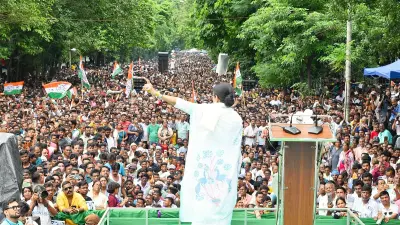
On a recent Saturday, Prime Minister Narendra Modi gave a speech to the nation. Shortly after the broadcast, Mamata Banerjee held a meeting where she criticized the Prime Minister’s message. She used terms like "cowardly" and "fork-tongued" to describe his address. She suggested that the Prime Minister says one thing to the public but his government acts in a completely different way. This direct attack is part of a larger effort by the TMC to challenge the BJP's national narrative before the state goes to the polls.
Important Numbers and Facts
The West Bengal assembly elections are a major event in Indian politics, involving 294 seats in the state legislature. As of April 2026, both the TMC and the BJP have started spending large amounts of money on digital advertisements and public rallies. In the previous state election, the TMC won a clear majority, but the BJP saw a massive increase in its total votes compared to earlier years. This history makes the upcoming contest a high-stakes battle for both parties, as they fight for control over one of India's most populated and politically active states.
Background and Context
West Bengal has been a major political battleground for over a decade. Mamata Banerjee has been the Chief Minister since 2011, when she ended decades of rule by the Communist party. Her political identity is built on the idea of being a "street fighter" who stands up for the poor and protects Bengali culture. She often uses the slogan "Ma, Mati, Manush," which means Mother, Land, and People, to connect with local voters.
The BJP has been working hard to win West Bengal to expand its influence in eastern India. They argue that the state needs a change in leadership to improve the economy and stop corruption. Issues like local welfare programs, religious identity, and the safety of women are always at the center of the debate. The BJP often accuses the TMC of failing to protect women, while the TMC points to national statistics to claim that BJP-ruled states have worse records. This constant back-and-forth has turned every public speech into a potential flashpoint for conflict.
Public or Industry Reaction
Political experts say this level of name-calling is common in West Bengal politics but has reached a new high this year. Supporters of the TMC believe that Banerjee is the only leader brave enough to challenge the central government directly. They see her words as a sign of strength and a refusal to be intimidated by national power.
Meanwhile, BJP supporters and leaders argue that the Chief Minister is using harsh words to distract people from local problems. They point to issues like unemployment and the quality of schools as the real topics that should be discussed. Women's rights groups are also watching the situation closely. Since both parties claim to be the true protectors of women, these groups are looking for real policy changes rather than just political speeches.
What This Means Going Forward
As the election date gets closer, the language used by both sides will likely get even tougher. We can expect to see more large-scale rallies and intense social media battles. The central government will likely focus its campaign on national security, infrastructure, and economic growth. In contrast, the state government will likely focus on "Bengali pride" and the success of its local social welfare programs.
The outcome of this fight will decide the direction of West Bengal for the next five years. It will also show whether the BJP can finally break through in a state that has resisted its influence for a long time. For the TMC, a win would prove that Mamata Banerjee’s personal popularity is still the strongest force in the state. The next few months will be filled with more debates, protests, and political maneuvers as both sides try to win over the undecided voters.
Final Take
The clash between Mamata Banerjee and Narendra Modi is more than just a personal argument between two leaders. It is a fundamental fight for the political future of West Bengal. While the words used are harsh and direct, they reflect the high stakes of the upcoming election. Voters will eventually have to decide if they prefer the local, grassroots leadership of the TMC or the national vision and governance model offered by the BJP. This election will be a major test for both parties and will likely have a lasting effect on Indian politics.
Frequently Asked Questions
Why did Mamata Banerjee call the Prime Minister's speech "cowardly"?
She used this term because she believes the Prime Minister's address avoided real issues and failed to be honest with the public about the government's actions.
When are the next West Bengal assembly elections?
The elections are scheduled to take place in 2026, and the major political parties have already started their campaigns.
What are the main issues in the West Bengal election?
The main issues include the state's economy, unemployment, women's safety, and the protection of local Bengali culture versus national political influence.