
Summary
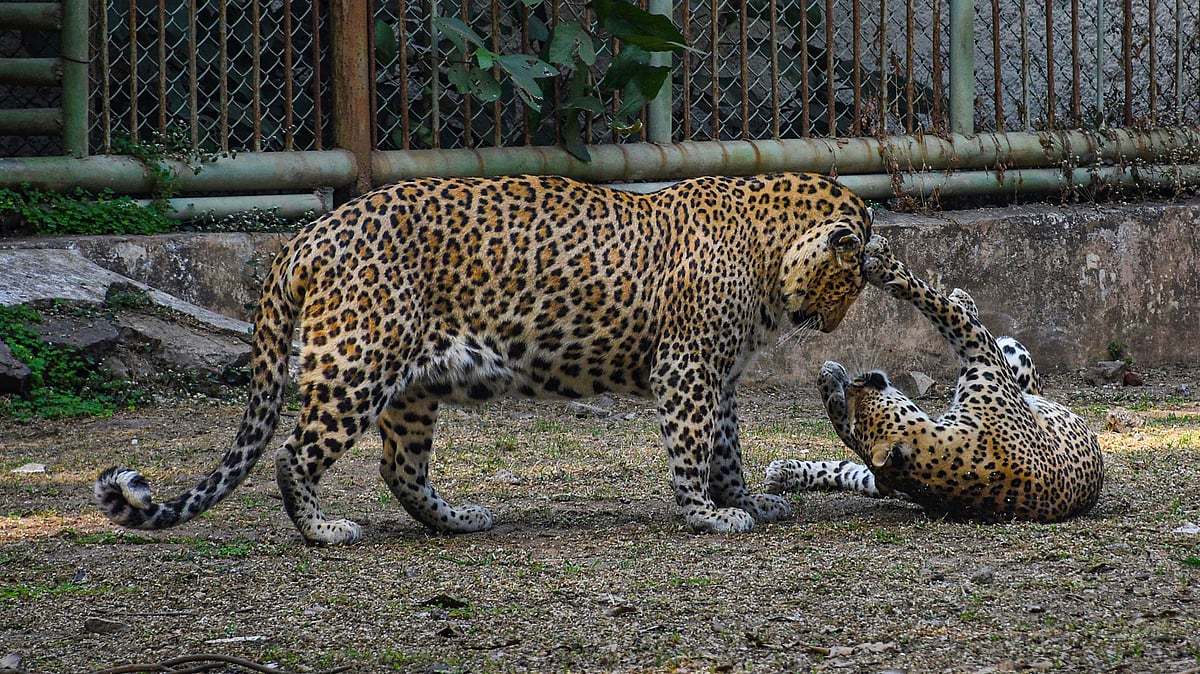
Madhya Pradesh has recorded the deaths of 149 leopards over a recent 14-month period. Data from a Right to Information (RTI) request shows that road accidents are the top cause of these deaths. While wildlife activists call the situation a serious crisis, government officials argue that the death rate is within a normal range. This news has sparked a debate about how to protect big cats in a state that has the largest leopard population in India.
Main Impact
The high number of leopard deaths shows a growing conflict between modern development and wildlife safety. As more roads and highways are built through forest areas, leopards are finding it harder to move safely. The fact that nearly one-third of these deaths happened on roads suggests that current safety measures are not enough. This situation puts pressure on the government to change how it plans infrastructure projects in areas where wild animals live.
Key Details
What Happened
Wildlife activist Ajay Dube filed an RTI query to find out how many leopards have died in Madhya Pradesh since the start of last year. The results showed a high number of fatalities across the state. The data highlights that human activity, especially driving on highways, is a major threat to these animals. Many of these deaths happened at night when leopards are most active and drivers have less visibility.
Important Numbers and Facts
The RTI report provides a clear breakdown of why these 149 leopards died. Road accidents were responsible for 31 percent of the deaths, with 19 of those happening on major highways. Natural causes, such as old age or sickness, accounted for 24 percent of the cases. Another 21 percent of the leopards died during fights with other wild animals over territory or food.
The report also mentioned more troubling causes. About 14 percent of the deaths were linked to poaching or people killing leopards in revenge for attacking livestock. Eight leopards died from being shocked by electric wires, and two were caught in traps set by humans. In about nine percent of the cases, experts could not figure out exactly why the animal died.
Background and Context
Madhya Pradesh is often called the "leopard state" of India because it has the highest number of these big cats. According to a 2022 report, there are about 3,907 leopards in the state. This number has been growing steadily over the years, up from 3,421 in 2018. Because the population is so large, leopards often live near villages and busy roads.
Leopards are very adaptable animals, but they need a lot of space to hunt and live. When their forests are broken up by new roads or buildings, they are forced to cross dangerous areas. This leads to more contact with humans and vehicles, which often ends in tragedy for the wildlife.
Public or Industry Reaction
The reaction to these numbers is divided. Ajay Dube, the activist who got the data, believes the state is failing to protect its wildlife. He says there is a lack of accountability when animals die because of bad road planning or illegal electric fences. He argues that the government focuses more on protecting tigers while leopards are often ignored.
On the other hand, senior forest officials say there is no reason to panic. They point out that in a population of nearly 4,000 animals, losing 149 over 14 months is a mortality rate of about four percent. They explain that in the wild, it is normal for 10 to 20 percent of a population to die every year from various causes. However, they admit that more can be done to make roads safer.
What This Means Going Forward
To stop more accidents, the forest department is working on several new plans. They are building special bridges and tunnels, called animal passages, so wildlife can cross roads without getting hit by cars. They are also putting up more warning signs for drivers and increasing patrols in areas where leopards are known to live.
One specific change is moving water sources away from roads. Animals often come to the roadside to drink from puddles or small ponds, which puts them in the path of fast-moving trucks. By creating water holes deeper in the forest, officials hope to keep the leopards away from the pavement. The success of these steps will depend on how well the forest department and road builders work together.
Final Take
The death of 149 leopards is a reminder that having a large wildlife population comes with great responsibility. While the total number of leopards in Madhya Pradesh is still high, the rising number of preventable deaths on roads and from electricity is a warning sign. True conservation means making sure that as our cities and roads grow, we leave enough safe space for the animals that lived there first. Protecting these big cats requires more than just counting them; it requires active changes to how we build our world.
Frequently Asked Questions
Why are so many leopards dying in Madhya Pradesh?
The main cause of death is road accidents, which account for 31 percent of the fatalities. Other causes include natural death, fights with other animals, poaching, and accidental electrocution.
Is the leopard population in India decreasing?
In Madhya Pradesh, the population is actually increasing. It grew from 3,421 in 2018 to 3,907 in 2022. However, the high number of recent deaths has raised concerns about their future safety.
What is being done to stop leopards from being hit by cars?
The government is building animal passages like underpasses and bridges. They are also adding better road signs, increasing forest patrols, and moving water sources away from busy highways to keep animals in safer areas.

