
Summary
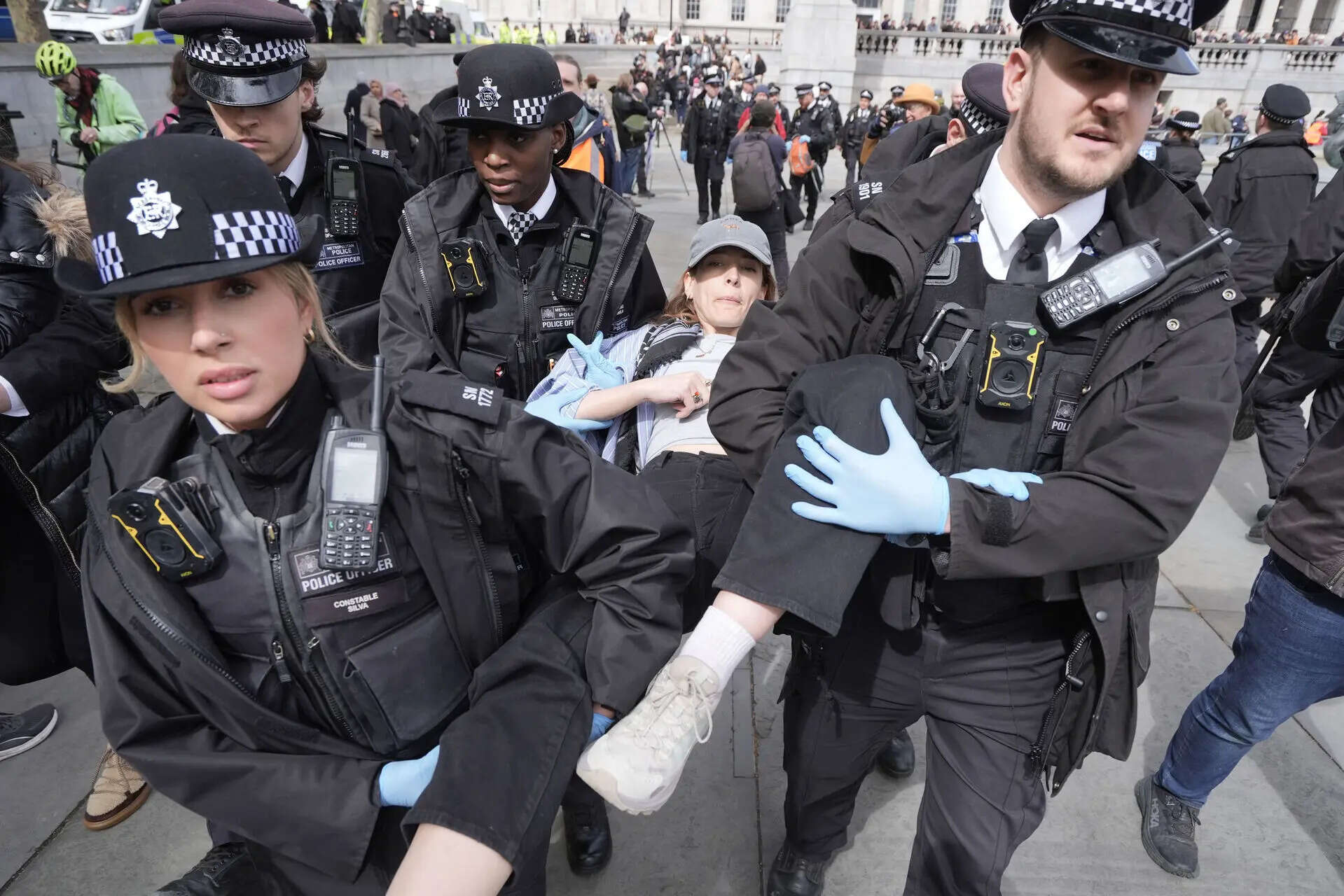
London police recently arrested more than 500 people during a large protest in the city. The arrests were made because the protesters were showing support for a group called Palestine Action. This group is currently on a list of organizations that are banned by the UK government. The situation is complicated because a high court recently raised questions about whether this ban is actually legal under current laws.
Main Impact
The arrest of over 500 individuals in a single day marks a major escalation in how authorities are handling political protests. This action shows that the police are strictly enforcing rules against banned groups, even while those rules are being challenged in court. The mass arrests have created a tense relationship between the public and the police, leading to concerns about the future of the right to protest in the United Kingdom.
Key Details
What Happened
The event began as a demonstration focused on the ongoing conflict in the Middle East. As the crowd moved through London, police officers began identifying individuals who were carrying signs, wearing clothing, or shouting slogans associated with Palestine Action. Because the government has labeled this group as "proscribed," which means it is illegal to support them, the police moved in to make arrests. The scale of the police response was massive, with hundreds of officers deployed to manage the crowd and transport those who were detained.
Important Numbers and Facts
Official reports confirm that the number of people taken into custody exceeded 500. This is one of the highest arrest counts for a single protest event in London in recent years. The group at the center of the controversy, Palestine Action, was added to the government's banned list earlier this year. However, the High Court recently issued a statement suggesting that the legal process used to ban the group might have been flawed. Despite this legal uncertainty, the police stated they must follow the law as it is written right now.
Background and Context
To understand why this happened, it is important to know what "proscription" means. In the UK, the government has the power to ban groups that it believes are involved in crime or activities that threaten public safety. Once a group is banned, it becomes a criminal offense to belong to it, fund it, or even show signs of support for it in public. Palestine Action is a group that has spent years protesting against companies that make military equipment. They often try to stop the production of weapons by entering factories or blocking entrances. The government decided these actions went too far and banned the group. Many people argue that the group is simply using direct action to protest, while the government views their actions as illegal disruption.
Public or Industry Reaction
The reaction to the arrests has been divided. Supporters of the protesters and human rights groups are angry. They believe the police are using the ban to silence people who disagree with the government's foreign policy. They point to the High Court's recent comments as proof that the government overstepped its bounds. On the other hand, some members of the public and government officials support the police. They argue that laws must be respected to keep the city safe and that groups using disruptive tactics should not be allowed to operate freely. Legal experts are now watching the situation closely to see if the High Court will officially overturn the ban.
What This Means Going Forward
The next few months will be critical for the legal status of protest groups in the UK. If the High Court decides that the ban on Palestine Action was illegal, the government may have to drop the charges against the 500 people arrested. This would be a major embarrassment for the police and the Home Office. However, if the ban is upheld, it could lead to even stricter rules for other protest groups. This case will likely set a rule for how the government can use its power to ban political organizations in the future. It also raises questions about how police should act when a law is being challenged in court but has not yet been changed.
Final Take
The mass arrests in London highlight a growing struggle between government control and the freedom to speak out. While the police are tasked with following the law, the legal challenge from the High Court suggests that the law itself may be on shaky ground. This event serves as a reminder that the rules governing protests are constantly changing and often lead to significant conflict between the state and its citizens.
Frequently Asked Questions
Why were so many people arrested at the London rally?
The arrests happened because protesters were showing support for Palestine Action, which is a group currently banned by the UK government. Under the law, supporting a banned group is a crime.
What does it mean for a group to be "proscribed"?
When a group is proscribed, it means the government has made it illegal. It is a crime to be a member, wear their symbols, or encourage others to support them.
Is the ban on Palestine Action permanent?
The ban is currently in place, but it is being challenged in the High Court. A judge recently questioned if the ban was legal, and a final decision will be made soon.

