
Summary
Jack Clark, a billionaire co-founder of the AI company Anthropic, believes that a background in literature and the arts is becoming more valuable than basic computer programming. As artificial intelligence takes over technical tasks, the ability to think critically and ask the right questions is becoming a top skill for the future workforce. Clark, who studied English literature, says his education helped him understand the stories humans tell about the future, which is vital for building AI today.
Main Impact
The rise of AI is changing what employers look for in new hires. While science and math degrees were the gold standard for years, the focus is shifting toward "soft skills" like analytical thinking and the ability to connect different ideas. This change could help liberal arts graduates find high-paying roles in the tech industry that were previously reserved for engineers. It also warns students that simply learning how to write code may no longer be enough to guarantee a long-term career.
Key Details
What Happened
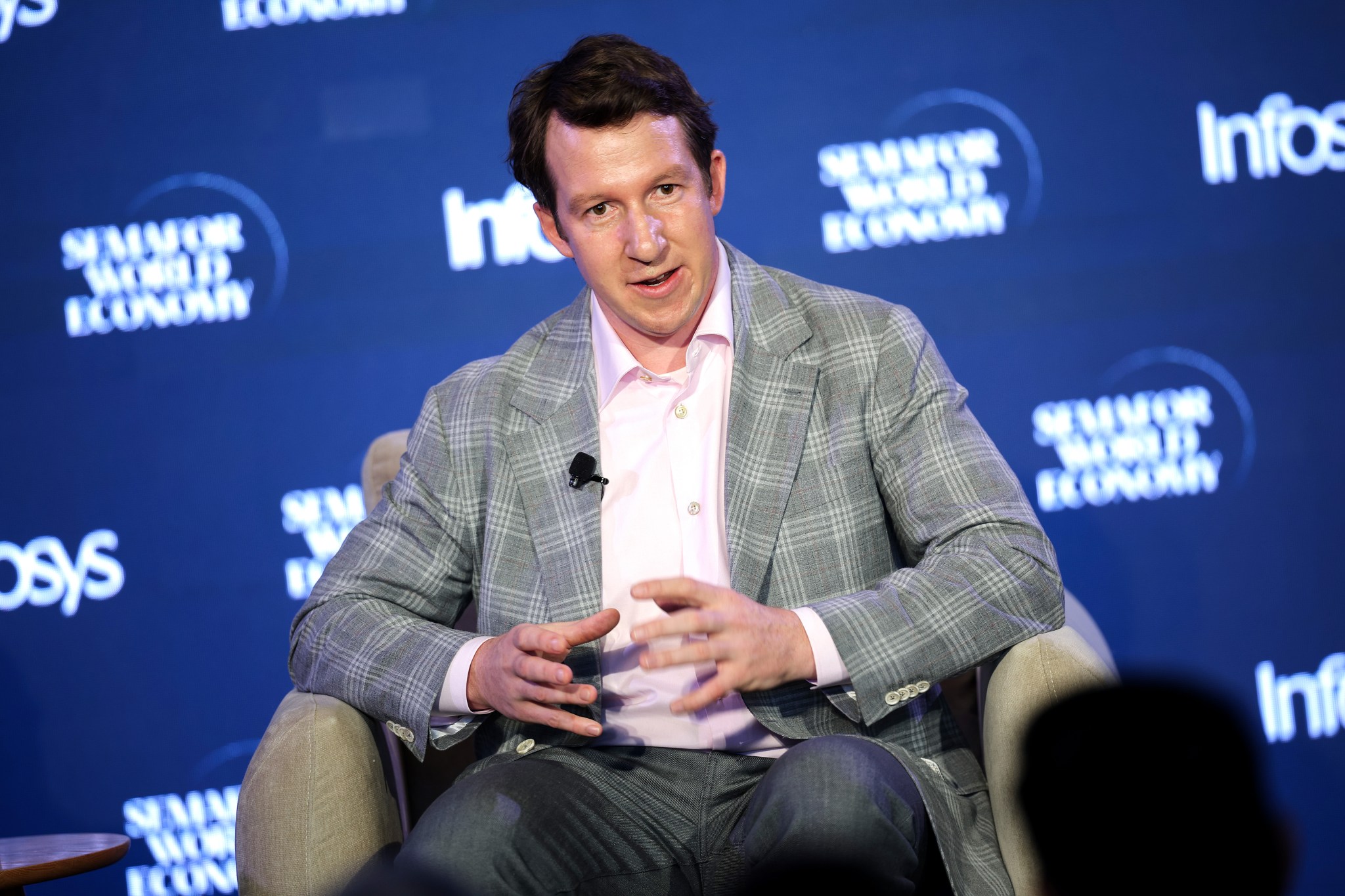
During a recent economic summit, Jack Clark shared how his non-traditional background helped him succeed in the tech world. Before helping start Anthropic, Clark was a journalist who studied creative writing. He argued that his literary education gave him a unique perspective on how technology affects society. He advised young people to avoid "rote programming"—which means basic, repetitive coding—and instead focus on subjects that require deep analysis and the ability to combine insights from many different fields.
Important Numbers and Facts
The job market is already showing signs of this shift. Between 2013 and 2023, jobs in science and math grew by 26%, much faster than other fields. However, new research from Anthropic suggests that AI could eventually perform up to 94% of tasks related to math and computers. This puts many traditional white-collar jobs at risk. Currently, the unemployment rate for recent college graduates is 5.7%, which is higher than the general population's rate of 4.3%. Additionally, over 42% of recent graduates are working in jobs that do not even require a degree, suggesting a mismatch between current skills and market needs.
Background and Context
For decades, students were told that STEM (Science, Technology, Engineering, and Math) was the only path to a stable career. This led to a massive increase in computer science enrollment. However, the rapid development of AI tools has changed the rules. Since AI can now write code and solve complex math problems in seconds, the "human" part of the job is changing. Instead of doing the work, humans are now expected to manage the AI, check its work, and decide which problems are actually worth solving. This requires a level of judgment that is often taught in philosophy, history, and literature classes.
Public or Industry Reaction
Other leaders in the tech industry are starting to agree with Clark. Experts from Microsoft have noted that skills like flexibility and critical thinking are becoming essential as technical tasks are handed over to machines. Some university leaders point out that AI cannot yet understand deep cultural nuances or complex human emotions. Because of this, companies are looking for people who can navigate these human elements. For example, Google DeepMind and Anthropic have both started hiring philosophers to help guide the ethical and social directions of their technology.
What This Means Going Forward
Young workers and students may need to rethink their education plans. While technical skills are still useful, they are no longer a shield against job loss. The future workforce will likely value "synthesis"—the ability to take information from different areas and turn it into a new idea. We may see the title of "software engineer" fade away as coding becomes a basic task that anyone can do with AI assistance. In its place, roles that focus on ethics, strategy, and creative problem-solving will likely grow. This could lead to a major comeback for liberal arts programs that were previously seen as less practical.
Final Take
The future of work is not just about knowing how to build technology; it is about knowing why we should build it and what questions we should ask it. While machines are getting better at giving answers, humans are still the only ones who can decide which questions matter. A degree that teaches you how to think, rather than just how to follow instructions, may be the best investment for the coming years.
Frequently Asked Questions
Is coding still a good skill to learn?
Basic coding is still useful, but experts suggest it is no longer enough on its own. AI can now handle many simple programming tasks, so humans need to focus on high-level design and problem-solving.
Why are tech companies hiring philosophers?
Companies hire philosophers to help solve ethical problems and understand how AI affects human society. These roles require deep thinking about right and wrong, which AI cannot do by itself.
What are the most important skills for the future?
The most important skills include critical thinking, the ability to ask the right questions, and "synthesis," which is combining ideas from different subjects to create something new.



