
Summary
Jack Clark, a billionaire co-founder of the artificial intelligence company Anthropic, believes that a background in literature and the arts is becoming more valuable than learning how to code. As AI takes over technical tasks, the ability to think critically and ask the right questions is becoming a key skill for workers. This shift suggests that the traditional focus on science and math degrees as the only path to success may be changing.
Main Impact
The rise of artificial intelligence is changing what employers look for in new hires. For a long time, learning to write computer code was seen as the best way to get a high-paying job. However, experts now say that AI can handle many of these technical duties more quickly than humans. This means that "soft skills," such as understanding history, storytelling, and human behavior, are becoming more important. People who can connect ideas from different fields may have a major advantage over those who only know how to perform repetitive programming tasks.
Key Details
What Happened
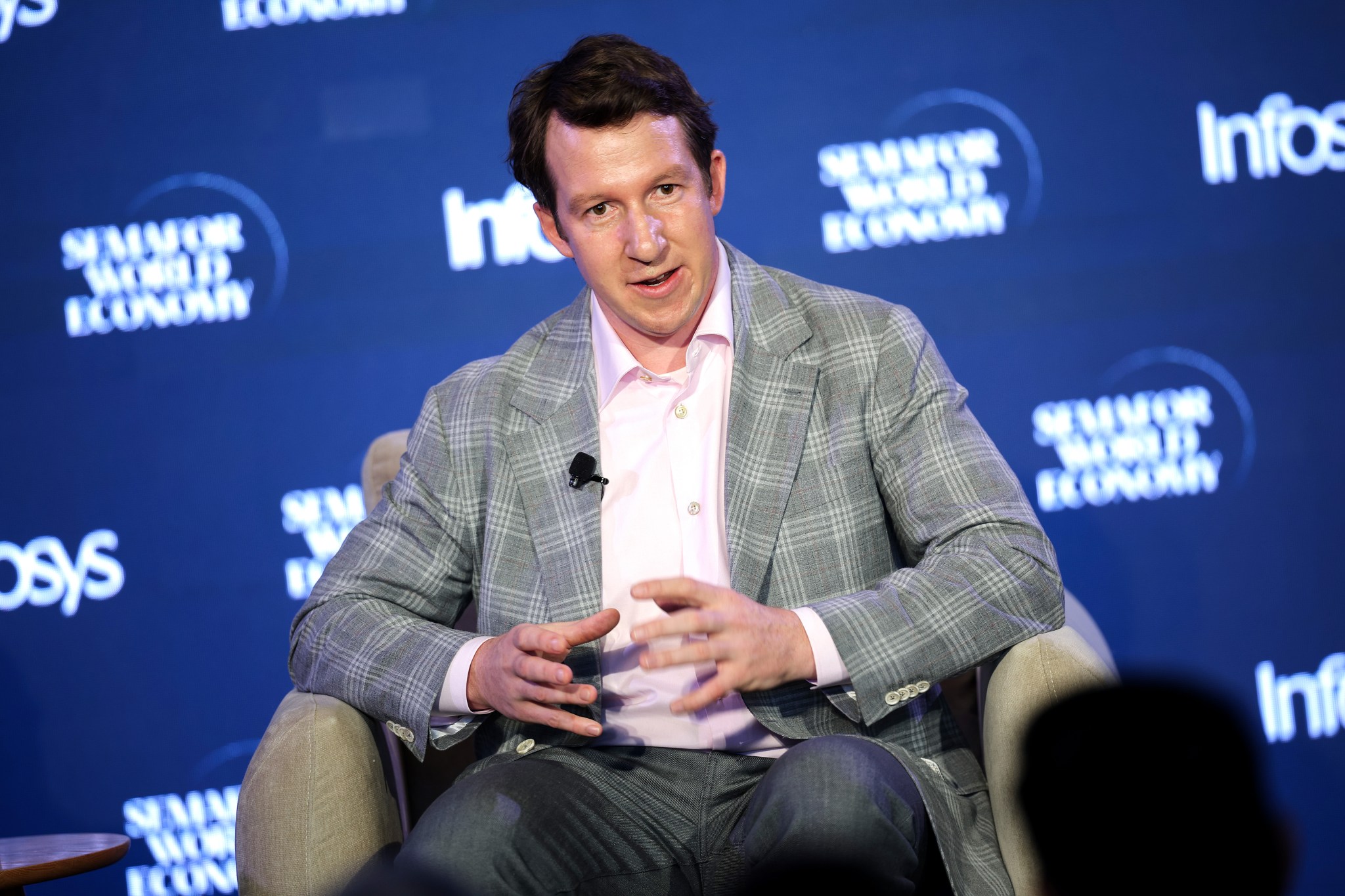
During a recent economic summit, Jack Clark shared how his degree in English literature helped him lead a major AI company. He noted that his education taught him about history and the stories people tell about the future. He advised young people to avoid "rote programming," which involves repetitive coding tasks that AI can now do easily. Instead, he suggested that the most important skill is having the intuition to ask the right questions and combine insights from many different subjects.
Important Numbers and Facts
Research from Anthropic suggests that AI could eventually handle up to 94% of tasks related to math and computers. While STEM jobs grew by 26% over the last decade, the future looks different. Some leaders in the tech world predict that AI will replace half of all entry-level office jobs. Currently, about 42.5% of college graduates are working in jobs that do not even require a degree, which is a sign that young graduates are struggling to find work in their specific fields of study.
Background and Context
For years, students were told that science, technology, engineering, and math (STEM) were the only paths to a stable career. This led to a massive increase in people studying computer science. However, as AI tools like Claude and ChatGPT become more advanced, they are proving to be very good at the very things students spent years learning. This has created a shift in the job market where a technical degree is no longer a guaranteed path to a career. Because of this, some young people are moving toward trade schools or taking multiple part-time jobs instead of traditional office roles.
Public or Industry Reaction
Other tech leaders agree with Clark’s view on the value of a broad education. Microsoft’s chief scientist, Jaime Teevan, recently said that skills like flexibility and critical thinking will be vital. She believes that because AI can do the technical work, humans need to focus on the "deep thinking" that machines cannot do. Some universities are also seeing a shift where a "human layer" of reasoning is more valuable than just knowing how to use a tool. Even companies like Google are now hiring philosophers to help them navigate the ethics and logic of AI development.
What This Means Going Forward
The job title of "software engineer" might change or even disappear in the coming years. Instead of writing lines of code, workers might spend more time managing AI or checking its work for mistakes. This means that students should focus on learning how to analyze information and solve complex problems. The ability to talk to an AI and get the best result out of it requires a strong grasp of language and logic. As basic technical skills become easier to automate, the value of being a well-rounded person who understands the world is higher than ever.
Final Take
The future of work may belong to those who can think like a writer or a philosopher while using the tools of a scientist. Success in the age of AI will likely depend on curiosity and the ability to think across different subjects rather than focusing on a single technical skill.
Frequently Asked Questions
Why is a literature degree useful for AI?
It helps people understand how to tell stories, think about the future, and ask the right questions to get the best results from AI tools.
Is coding still a good skill to learn?
While basic coding is being automated, understanding how technology works is still helpful. However, critical thinking and problem-solving are becoming more important for long-term career growth.
What are "soft skills" in the context of AI?
These are human abilities like communication, empathy, and critical reasoning. These skills are difficult for machines to copy and are becoming more valuable as AI handles technical tasks.



