Summary
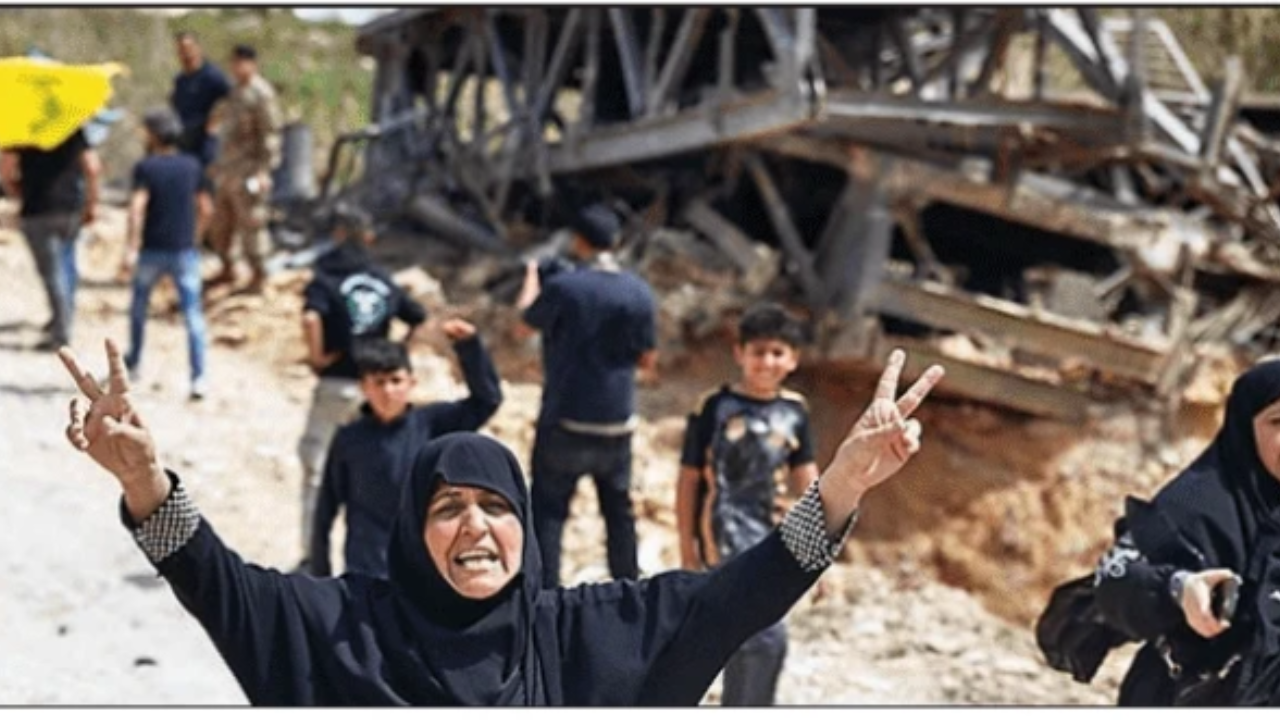
Thousands of Lebanese families are traveling back to their home villages following a ceasefire agreement between Israel and Hezbollah. Although the fighting has mostly stopped, many people are returning to find their neighborhoods in ruins. Buildings have collapsed, roads are blocked by debris, and basic services like water and electricity are missing in many areas. Despite these difficult conditions, the desire to reclaim their land and homes remains strong among the displaced population.
Main Impact
The return of displaced people marks a major shift in the conflict, but it brings a new set of humanitarian problems. While the end of active bombing is a relief, the sheer level of destruction makes many towns nearly impossible to live in. Families are forced to sleep in cars, tents, or the remains of damaged houses. This mass movement of people is putting pressure on local resources that were already struggling before the war intensified.
Key Details
What Happened
As soon as the ceasefire was announced and appeared to hold, long lines of cars filled the highways leading to southern Lebanon and the Bekaa Valley. People carried whatever belongings they could fit on their roofs, including mattresses and kitchen supplies. When they arrived, many found that entire blocks had been leveled by air strikes. In some cases, people could not even find the exact spot where their houses once stood because the landmarks were gone.
The ceasefire has been described as fragile. While the heavy exchange of fire has ended, there is still a heavy military presence. Residents are being warned to stay away from certain zones where the military is still operating or where unexploded bombs might be hidden under the rubble.
Important Numbers and Facts
Before the ceasefire, more than one million people in Lebanon were forced to leave their homes due to the fighting. Early reports suggest that tens of thousands have already attempted to return within the first few days of the peace deal. Economic experts estimate that the cost of rebuilding the destroyed infrastructure will reach billions of dollars. In many southern towns, nearly 70% of the buildings have suffered some form of damage, ranging from broken windows to total collapse.
Background and Context
The conflict between Israel and Hezbollah escalated significantly over the past year, leading to a full-scale military operation. This followed months of cross-border attacks that started after the violence in Gaza began. Lebanon was already facing a severe economic crisis before this war, with high inflation and a failing banking system. The added destruction of the war has made the country’s recovery even harder. The ceasefire was brokered with the help of international mediators who hope to create a long-term buffer zone to prevent future fighting.
Public or Industry Reaction
The reaction among the Lebanese public is a mix of joy and deep sadness. Many people expressed relief that they no longer have to live in crowded schools or public parks. However, that relief often turns to grief when they see the state of their property. International aid groups have raised concerns about safety. They are worried that people will be injured by falling walls or hidden explosives. Aid workers are calling for an immediate increase in funding to provide clean water and food to those returning to "unliveable" zones.
What This Means Going Forward
The next few months will be a test for the ceasefire agreement. For the peace to last, both sides must follow the rules set by the mediators. For the people of Lebanon, the focus is now on survival and rebuilding. The government will need massive international support to fix the power grid and water pipes. There is also the risk that if the ceasefire fails, these families will be displaced once again, making the humanitarian situation even worse. The presence of the Lebanese army in the south is expected to increase to help maintain order and security.
Final Take
Stopping the bombs was the first step, but the real work of recovery is just beginning. Returning to a home that no longer has a roof or running water shows the resilience of the people, but it also highlights the heavy price of war. Without a massive rebuilding effort and a stable peace, these "unliveable" areas will remain a symbol of the conflict's lasting damage.
Frequently Asked Questions
Is it safe for people to return to southern Lebanon?
While the ceasefire is mostly holding, it is not entirely safe. There are many unexploded bombs and unstable buildings that could collapse at any time. The military has warned residents to be very careful.
Do the returning families have access to water and power?
In many of the hardest-hit areas, the infrastructure is completely destroyed. Most families are relying on bottled water and portable generators if they can afford them, as the main lines are down.
Who will pay for the rebuilding of the homes?
The Lebanese government is looking for international aid and support from foreign countries to help with the costs. However, because of Lebanon's ongoing economic problems, the rebuilding process is expected to be very slow.