Summary
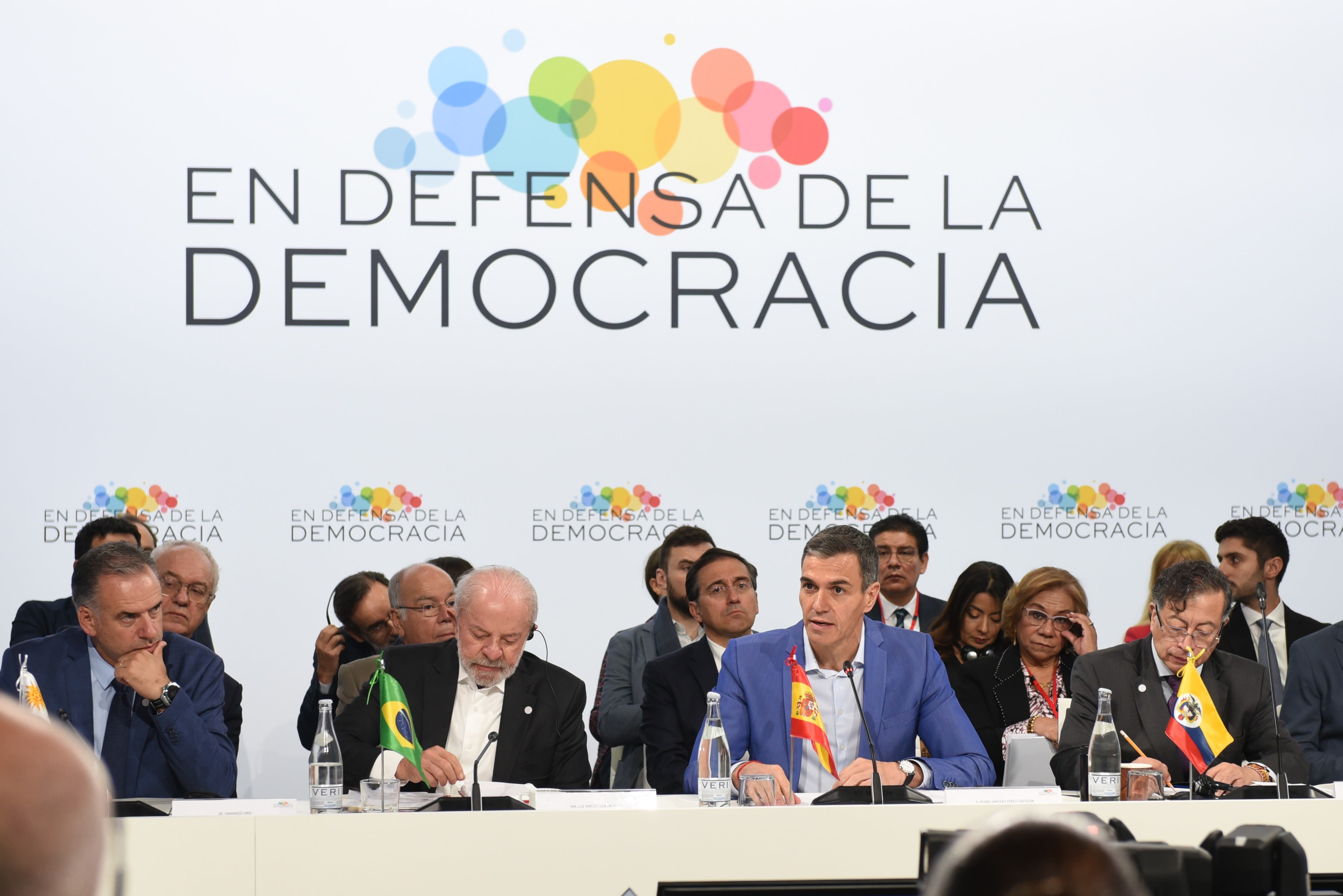
Top leaders from Latin America met in Barcelona this Saturday to discuss the future of their region. Claudia Sheinbaum of Mexico, Luiz Inácio Lula da Silva of Brazil, and Gustavo Petro of Colombia joined Spanish Prime Minister Pedro Sánchez for a high-level meeting. Their goal is to create a united front against the rising influence of right-wing politics. This meeting comes at a vital time as several of these leaders face important elections later this year.
Main Impact
The primary impact of this meeting is the formal creation of a "progressive wall" intended to stop the spread of conservative ideas in the Americas. These leaders are worried about the growing power of the far-right, which they believe is being encouraged by political shifts in the United States. By standing together, they hope to show voters that left-wing policies are still the best way to handle social and economic problems. This unity is not just about local politics; it is a global effort to offer an alternative to the style of leadership seen under Donald Trump.
Key Details
What Happened
The event was called the "IV Meeting in Defense of Democracy." It served as a stage for these presidents to align their goals and share strategies. During the talks, the leaders focused on how to protect democratic institutions from outside pressure. They also discussed ways to improve trade and social cooperation between Europe and Latin America. Spanish leader Pedro Sánchez acted as the host, positioning Spain as a key ally for progressive movements across the ocean.
Important Numbers and Facts
The timing of this meeting is very important because of the upcoming election calendar. In Colombia, citizens will go to the polls in May 2026 to decide the future of Gustavo Petro’s government. In Brazil, a major national election is scheduled for November 2026. These dates represent a major test for the left-wing movement. If these leaders lose their positions, the political map of South America could change completely. Additionally, Claudia Sheinbaum used this trip to clarify that Mexico and Spain maintain a strong relationship, despite past disagreements.
Background and Context
For several years, Latin America has seen a "pink tide," where many countries elected left-wing presidents. However, that trend is now facing a strong challenge. In many nations, people are frustrated with high prices, crime, and slow economic growth. This frustration has led to a rise in support for conservative and far-right candidates who promise quick changes. The leaders in Barcelona believe that these right-wing movements are often funded or inspired by political groups in the United States. They argue that if they do not work together now, the progress they have made in areas like workers' rights and environmental protection could be lost.
Public or Industry Reaction
The reaction to this meeting has been split along political lines. Supporters of the leaders say that this kind of international cooperation is necessary to fight global threats like climate change and economic inequality. They see the Barcelona meeting as a sign of strength and hope. On the other hand, critics and opposition members in their home countries argue that these presidents should focus more on domestic issues instead of traveling abroad for political summits. Some business groups have also expressed concern that a move further to the left could hurt international investment in the region.
What This Means Going Forward
The next few months will be a turning point for Latin American politics. The results of the elections in Colombia and Brazil will show whether the public still supports the progressive vision. If Petro and Lula win, it will confirm that the left still has a strong hold on the region. If they lose, it could signal a long-term shift toward conservative leadership. Meanwhile, Claudia Sheinbaum will likely take on a larger role as a regional leader, helping to bridge the gap between North and South America. The leaders also plan to keep working with Spain to ensure they have a voice in European politics.
Final Take
This meeting in Barcelona shows that the leaders of Mexico, Brazil, and Colombia are not ready to give up their influence. They are clearly worried about the return of right-wing power and are using every tool they have to stay relevant. While their unity looks strong on paper, the real test will happen at the ballot box. The voters in Bogota and Brasilia will ultimately decide if this united front is enough to keep the current political direction alive or if a new era of conservative rule is about to begin.
Frequently Asked Questions
Why did the leaders meet in Barcelona?
They met in Barcelona to attend the IV Meeting in Defense of Democracy. The event was hosted by Spanish Prime Minister Pedro Sánchez to help left-wing leaders from Latin America and Europe coordinate their political strategies.
Which countries are facing elections soon?
Colombia has an important election coming up in May 2026, and Brazil will hold its national elections in November 2026. These elections are seen as a major test for the current left-wing governments in those countries.
What is the main goal of this group?
The main goal is to create a united alternative to right-wing and far-right politics. They want to protect social programs and democratic systems that they feel are under threat from conservative movements and foreign influence.