Summary
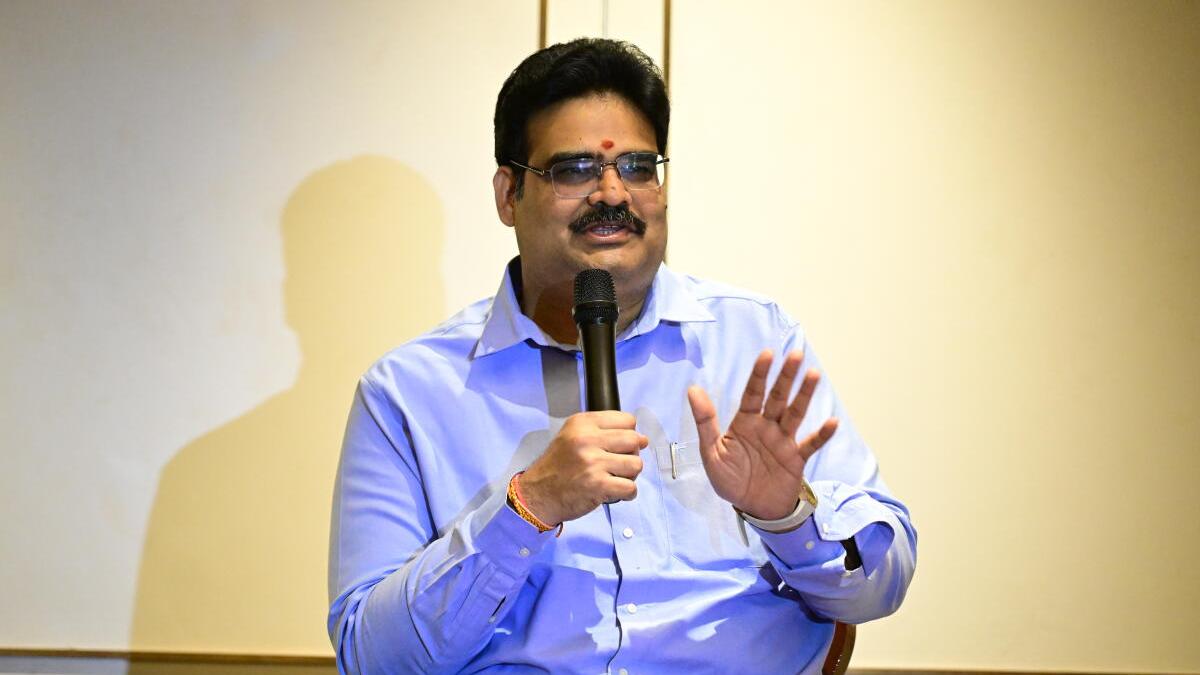
Lanka Dinakar, a prominent leader from the Bharatiya Janata Party (BJP) in Andhra Pradesh, has publicly criticized the Congress party. He claims that the opposition is actively blocking efforts to give women more power in the political system. Furthermore, Dinakar argued that the actions and policies of the Congress party are damaging the political influence of Southern Indian states. This statement highlights a growing debate over how seats are shared in Parliament and how women are represented in government.
Main Impact
The comments made by Lanka Dinakar point to a major political divide in India. By accusing Congress of hurting the interests of the South, the BJP is positioning itself as the protector of regional rights. This is particularly important because Southern states have expressed fears that they might lose their voice in the central government due to future changes in how voting districts are drawn. At the same time, the focus on women’s empowerment shows that both major parties are fighting to win the support of female voters, who make up nearly half of the population.
Key Details
What Happened
Lanka Dinakar spoke to the media to address what he calls the "double standards" of the Congress party. He pointed out that while the current government has pushed for the Women’s Reservation Bill, the opposition has often created hurdles. According to Dinakar, the Congress party talks about helping women but does not take the necessary steps to make it a reality. He also linked these issues to the broader topic of how Southern states like Andhra Pradesh and Telangana are treated by the central leadership of the opposition.
Important Numbers and Facts
The Women’s Reservation Bill, also known as the Nari Shakti Vandan Adhiniyam, aims to reserve 33 percent of seats in the Lok Sabha and state assemblies for women. This law was passed by Parliament in 2023 but will only be put into action after a new census and a process called delimitation. Delimitation is the act of redrawing the boundaries of voting areas based on the latest population data. Southern states are worried because their population has grown more slowly than Northern states, which could lead to them having fewer representatives in the future.
Background and Context
To understand this issue, it is important to know why the South is concerned. For many years, Southern states have followed government advice to control population growth. Because they have been successful, their population is smaller compared to states in the North. If the number of seats in Parliament is based only on population, the North will get many more seats, and the South will have less power to make decisions for the country. Dinakar argues that the Congress party has not done enough to protect the South from this potential loss of influence.
Regarding women's empowerment, the struggle to pass reservation laws has lasted for decades. Previous governments tried to pass similar bills but failed due to a lack of agreement among different political groups. The BJP claims it has finally broken this cycle, while the Congress argues that the law should have been implemented immediately without waiting for a census.
Public or Industry Reaction
The reaction to Dinakar’s statement has been split along party lines. Supporters of the BJP believe that the party is the only one taking real action to help women and protect regional interests. On the other hand, members of the Congress party have dismissed these claims. They argue that they have always supported women’s rights and that the BJP is using these issues to distract people from other problems like the economy or jobs. Political experts note that these arguments are likely to become more common as the country moves closer to the next major elections.
What This Means Going Forward
In the coming years, the debate over the census and the redrawing of voting districts will be a major topic in Indian politics. The government will need to find a way to balance the needs of states with large populations and states that have successfully managed their growth. If the South feels ignored, it could lead to tension between the states and the central government. Additionally, the implementation of women's reservations will change how political parties choose their candidates, as they will be forced to give more opportunities to female leaders.
Final Take
The accusations made by Lanka Dinakar show that the fight for political power in India is not just about numbers, but also about identity and fairness. Whether it is the representation of women or the voice of the Southern states, these issues will shape the future of the country. Voters will eventually have to decide which party they trust more to handle these sensitive and complex challenges fairly.
Frequently Asked Questions
What is the Women’s Reservation Bill?
It is a law that sets aside one-third of the seats in India's national and state legislatures for women to ensure they have a bigger role in making laws.
Why is South India worried about political representation?
Southern states fear that because their population is growing slower than the North, a future update to voting districts will reduce their total number of seats in Parliament.
What is delimitation?
Delimitation is the process of fixing the limits or boundaries of territorial constituencies in a country to reflect changes in the population.