Summary
The District Collector has announced a major plan to protect and promote the 400-year-old Kondapalli toy industry. These famous wooden toys are a vital part of the local heritage in Andhra Pradesh, but they need more support to survive in the modern world. The government aims to help local artisans gain global recognition and find new markets for their handcrafted products. By focusing on better marketing and financial aid, officials hope to keep this ancient tradition alive for many more years.
Main Impact
The primary goal of this initiative is to improve the lives of the artisans who have kept this craft going for centuries. Many families in the Kondapalli region depend entirely on toy making for their income. By bringing these toys to a global stage, the government expects to increase demand, which will lead to higher earnings for the workers. This effort also helps preserve a unique cultural identity that was at risk of fading away due to competition from cheap, factory-made plastic toys.
Key Details
What Happened
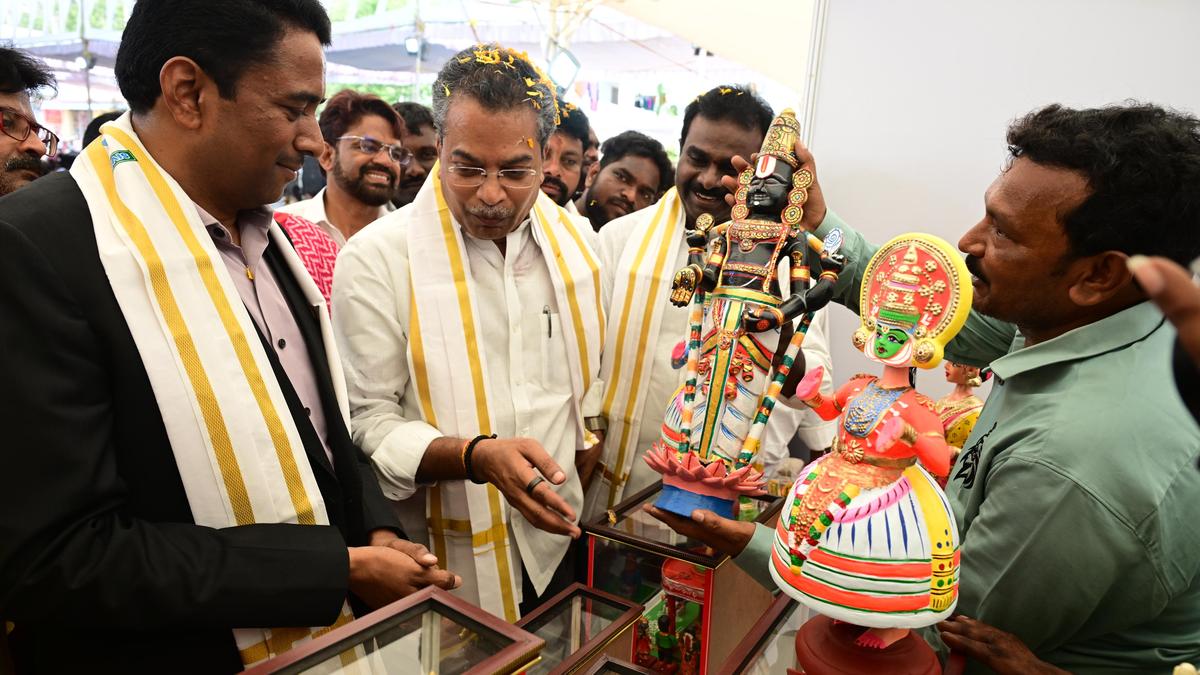
During a recent visit to the toy-making workshops, the District Collector met with several local craftsmen to understand their daily struggles. He highlighted that while the toys are well-known within the state, they lack the reach needed to succeed internationally. The Collector promised that the administration would work on creating a better environment for production and sales. This includes setting up better display centers and helping artisans use the internet to sell their goods directly to customers in other countries.
Important Numbers and Facts
The Kondapalli toy industry has a history that goes back over 400 years. The toys are made from a special type of light wood known as Tella Poniki, which is found in the local forests. These toys have already received a Geographical Indication (GI) tag. This legal protection means that only toys made in this specific region using traditional methods can be sold under the Kondapalli name. Currently, hundreds of families are involved in the craft, and the government wants to ensure that the next generation stays interested in learning these skills.
Background and Context
Kondapalli toys are famous for their bright colors and detailed designs. They often show scenes from rural life, such as farmers working in fields, or figures from ancient stories and local myths. One of the most popular items is the "Ambari," which features an elephant carrying a royal cradle. The process of making these toys is very slow and requires a lot of patience. The wood is first carved into shapes, then smoothed out, and finally painted with colors that were traditionally made from natural dyes.
In recent years, the industry has faced many problems. The cost of wood has gone up, and it is becoming harder to find. Additionally, many young people in the village are moving to big cities to find office jobs instead of learning the family craft. The Collector’s plan is designed to show that toy making can be a profitable and respected profession, encouraging younger people to stay and continue the legacy.
Public or Industry Reaction
The local artisans have welcomed the news with hope. Many have expressed that they need help with modern designs that appeal to international buyers while keeping the traditional soul of the toys. Industry experts suggest that the GI tag is a powerful tool that has not been used to its full potential yet. They believe that with the government’s help in branding, Kondapalli toys could become as famous as traditional crafts from other parts of the world. There is also a call for more wood plantations to ensure a steady supply of Tella Poniki wood for the future.
What This Means Going Forward
The next steps involve setting up training programs where master craftsmen can teach their skills to others. The government also plans to work with export agencies to ship these toys to Europe and North America, where there is a high demand for eco-friendly and handmade products. Digital marketing will play a big role, as the administration wants to list these products on major global shopping websites. If successful, this plan will turn a small village craft into a global brand, ensuring that the 400-year-old tradition does not just survive but grows stronger.
Final Take
Protecting the Kondapalli toy industry is a race against time. As the world moves toward mass-produced goods, the value of something made by hand becomes even more significant. The Collector’s focus on global recognition is a smart move that combines cultural pride with economic growth. By supporting these artisans today, the government is making sure that a piece of history remains a living part of the future.
Frequently Asked Questions
What makes Kondapalli toys special?
These toys are unique because they are handcrafted from a specific softwood called Tella Poniki. They are known for their vibrant colors and themes that represent Indian culture and daily village life.
What is a GI tag and why does it matter?
A GI (Geographical Indication) tag is a sign used on products that have a specific geographical origin. It ensures that only genuine toys made in Kondapalli can use the name, protecting the artisans from fake copies.
How is the government helping the artisans?
The government is providing financial aid, improving marketing strategies, and helping artisans sell their products on international websites. They are also focusing on training the younger generation to keep the craft alive.