
Summary
Many women from the Konaseema region in Andhra Pradesh travel to Gulf countries with the hope of earning a better living. Driven by poverty and the need to support their families, they seek employment as domestic workers. However, these dreams often turn into nightmares when they are misled by illegal recruitment agents. Instead of finding financial security, many of these women face physical abuse, isolation, and financial traps that make it very difficult for them to return home.
Main Impact
The primary impact of this crisis is the severe emotional and physical toll on migrant workers and their families. Thousands of women find themselves stuck in foreign countries without any legal protection. Because they often travel through unauthorized channels, they lack the paperwork needed to seek help from embassies or local authorities. This leaves them vulnerable to employers who may withhold their pay or mistreat them. The financial burden then falls back on their families in India, who must often borrow large sums of money to pay for their safe return.
Key Details
What Happened
The process usually begins with local agents promising high-paying jobs in countries like Saudi Arabia, Kuwait, or the United Arab Emirates. These agents target women in rural areas who are desperate for work. Once the women arrive in the Gulf, the reality is often very different from what was promised. Many are forced to work as housemaids for 18 to 20 hours a day. In many cases, their passports are taken away by their employers, making it impossible for them to leave. They are often denied contact with their families and are kept in isolation within the homes where they work.
Important Numbers and Facts
While exact data is hard to find because many women travel on tourist visas instead of work visas, reports suggest that thousands of women from the Konaseema area are currently working in the Gulf. A large percentage of these workers have reported some form of mistreatment. The cost of returning home can be very high, sometimes exceeding 200,000 to 300,000 rupees. This money is often demanded by agents or employers as a "release fee" to cancel the work contract and return the worker's passport. Many families have to sell their land or take high-interest loans to bring their daughters and wives back to India.
Background and Context
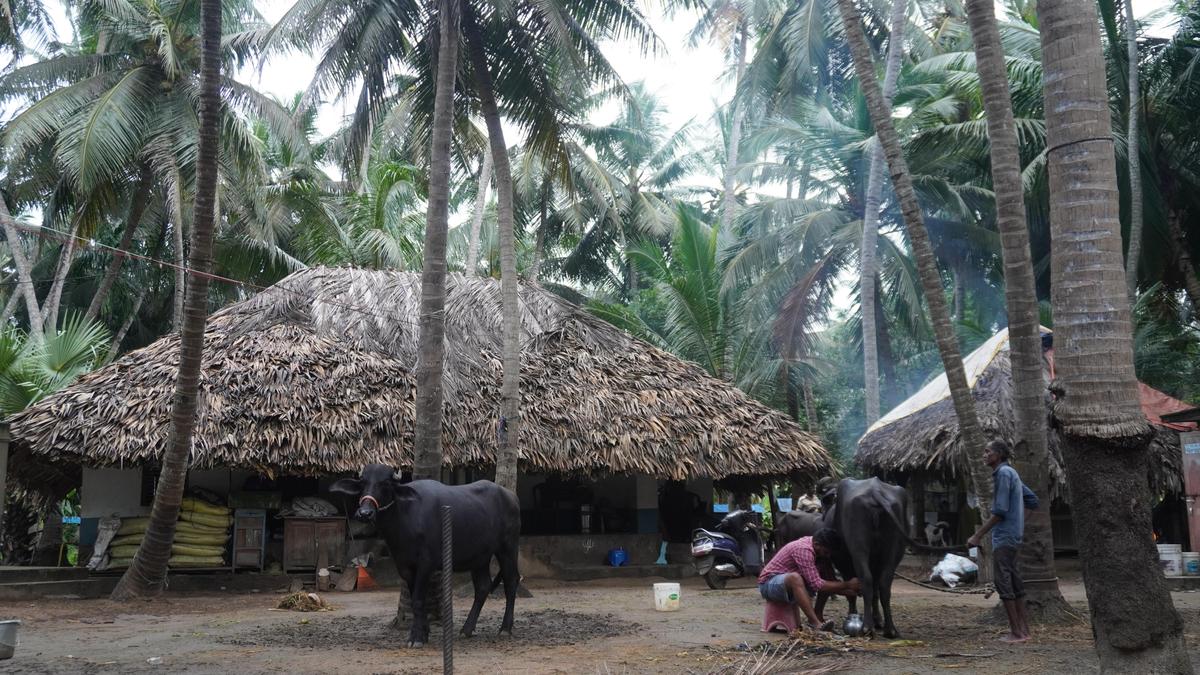
The Konaseema region is known for its natural beauty, but many residents struggle with a lack of stable jobs. For decades, moving to the Gulf has been seen as a way to escape poverty quickly. The money sent back home by workers has built houses and paid for education for many families. However, while men often find work in construction or transport, women are usually recruited for domestic work. Domestic work is less regulated, meaning women work inside private homes where nobody can see how they are being treated. This lack of oversight is why so many women end up in dangerous situations.
Public or Industry Reaction
Social activists and community leaders in Andhra Pradesh are expressing deep concern over the rising number of distress calls from the Gulf. They are urging the government to take strict action against unlicensed recruitment agents who operate in small towns and villages. There is also a call for better pre-departure training. Activists believe that if women are taught about their rights and given the contact details of the Indian Embassy before they leave, they will be better prepared. Families of victims have also been protesting, asking for government help to pay for the travel costs of those who are stranded abroad.
What This Means Going Forward
The government needs to create a more transparent system for migration. This includes a crackdown on "sub-agents" who act as middlemen for larger agencies. There is also a need for a dedicated support system for women who return from these traumatic experiences. Many return home with health problems or mental health issues and need help starting their lives over. In the long term, creating more local job opportunities in the Konaseema region would reduce the need for women to take such high risks for work. International cooperation between India and Gulf nations is also vital to ensure that labor laws protect domestic workers just as much as they protect office or factory workers.
Final Take
The struggle of Konaseema women highlights a major flaw in how labor migration is handled. No one should have to risk their safety and dignity just to provide for their family. While the hope for a better life is a strong motivator, the dangers of illegal recruitment are too high to ignore. Protecting these workers requires a mix of strict law enforcement against scammers and better support for those who find themselves in trouble far from home.
Frequently Asked Questions
Why do women from Konaseema go to the Gulf for work?
Most women migrate because of financial problems at home. They hope to earn more money as domestic workers in the Gulf than they can in their local villages to pay off debts or support their children's education.
What are the main risks of using unauthorized agents?
Unauthorized agents often provide the wrong type of visa, such as a tourist visa instead of a work visa. This makes the worker illegal in the foreign country, meaning they have no legal rights if their employer refuses to pay them or treats them badly.
How can families help a relative who is stranded in the Gulf?
Families should contact the local police to report the agent who sent the worker abroad. They should also reach out to the Indian Embassy in the respective Gulf country and the Ministry of External Affairs to seek help with repatriation.

