
Summary
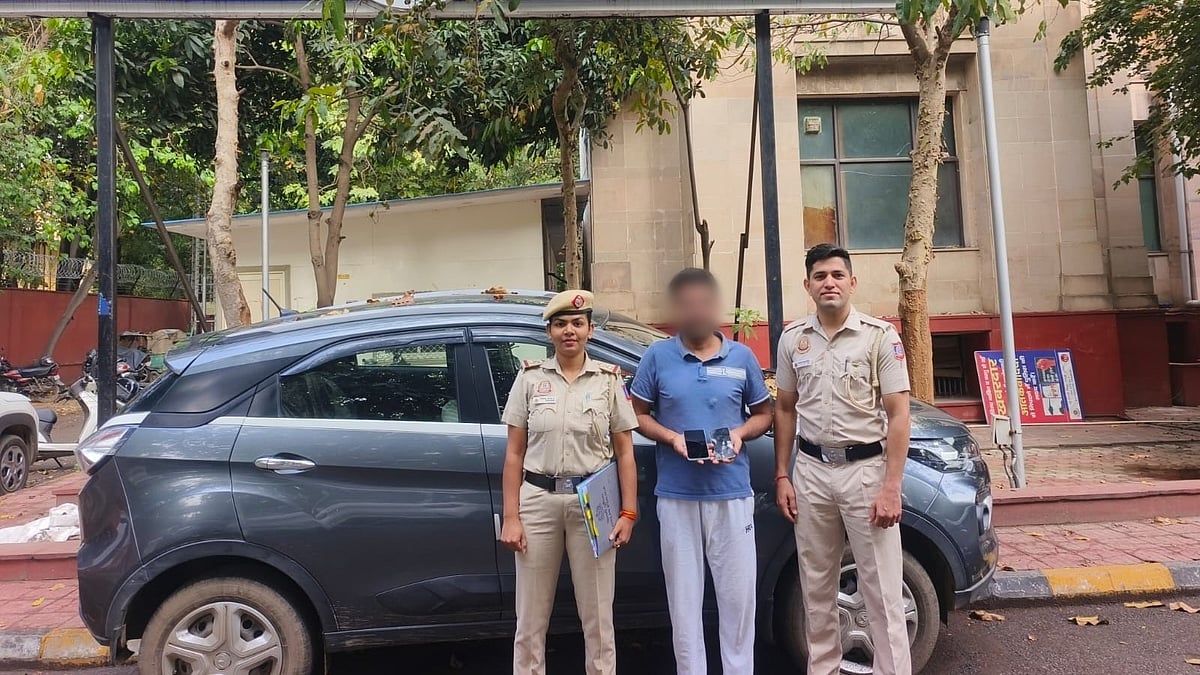
The Delhi Police have arrested Mohammad Javed, the son of the founder of the famous restaurant chain Khan Chacha. He is accused of helping cybercriminals move illegal money through a bank account linked to the business. Officials say the fraud involved transactions worth approximately Rs 54 lakh. This case has shocked many because the restaurant is a well-known brand with a long history in the capital city.
Main Impact
This arrest shows how cybercriminals are now using the bank accounts of established businesses to hide their illegal activities. By using a legitimate business account, criminals hope to avoid drawing attention from banks and tax authorities. For the Khan Chacha brand, this development is a major blow to its public image. It serves as a warning that even successful business owners can face serious legal trouble if they allow their financial tools to be used by outsiders.
The case also highlights the growing problem of "money muling" in India. This is when people allow others to use their bank accounts to move stolen money in exchange for a small payment. In this instance, the police found that a significant amount of money was funneled through the account before being moved to other locations. This makes it harder for the police to track the original source of the stolen funds.
Key Details
What Happened
The investigation began when police noticed suspicious activity in a bank account used for the restaurant’s catering operations. Mohammad Javed, 49, and another director named Mohammad Salim were allegedly struggling with financial problems. To make extra money, they reportedly allowed a group of cybercriminals to use their business account. In return, they were promised a commission of 2 to 3 percent on every transaction that passed through the account.
The police believe that the account was used to collect money from various online scams. Once the money reached the Khan Chacha-linked account, it was quickly sent to other bank accounts to make it disappear. This process is a common way for criminals to "wash" their money and make it look like it came from a legal business.
Important Numbers and Facts
The total amount of money involved in this specific fraud case is Rs 54 lakh. Mohammad Javed is the son of the man who started the Khan Chacha brand, which began in 1972. During the arrest, the police seized mobile phones and SIM cards that were used to coordinate the illegal transfers. They are also looking into deleted messages on these devices to find more clues about the wider criminal network.
Background and Context
Khan Chacha is one of the most famous names in the Delhi food scene. It started as a small shop in Khan Market and became famous for its meat rolls and kebabs. Over the years, it grew into a large chain with many outlets across North India. Because the brand is so well-loved, news of the founder's son being involved in a crime has gained a lot of attention.
Cyber fraud has become a massive issue in India over the last few years. Criminals often use "digital arrest" scams, fake investment schemes, or phishing links to steal money from innocent people. To hide this money, they need "clean" bank accounts. They often target people who are in debt or facing business losses, offering them easy money if they share their banking details.
Public or Industry Reaction
The Delhi Police have used this case to send a strong message to the public. Senior officials warned that people should never share their bank account access or login details with anyone else. They explained that even if you do not personally steal the money, helping someone move it is a serious crime. You can be held legally responsible for the entire fraud if your account is used.
Business experts are also discussing the importance of financial ethics. They suggest that when businesses face hard times, they must look for legal ways to recover rather than turning to risky deals with unknown individuals. The reputation of a brand that took decades to build can be destroyed in just a few days by one bad decision.
What This Means Going Forward
The investigation is still active. The police are working with the Indian Cyber Crime Coordination Centre to see if this bank account was linked to other scams across the country. They are also trying to find the people who introduced Javed to the cybercriminals. More arrests are expected as the police follow the digital trail of the money.
For the restaurant chain, the focus will likely be on distancing the business from the personal actions of the accused. However, since the bank account used was tied to the business, the legal process may be long and complicated. This case will likely lead to stricter monitoring of business accounts by banks to prevent similar misuse in the future.
Final Take
The arrest of Mohammad Javed is a clear reminder that no one is above the law, regardless of their family background or business success. It also serves as a lesson for everyone to protect their financial information. In the digital age, a bank account is a powerful tool, and letting the wrong person use it can lead to a lifetime of legal trouble. The police are continuing their work to break the network behind this fraud and bring all those involved to justice.
Frequently Asked Questions
Why was the son of the Khan Chacha founder arrested?
He was arrested for allegedly allowing cybercriminals to use a restaurant-linked bank account to move Rs 54 lakh in stolen money in exchange for a commission.
How did the fraud work?
Criminals sent money from various scams into the business account. The accused then helped move that money to other accounts, making it harder for the police to track the original crime.
What should I do to avoid being involved in such cases?
Never share your bank account details, OTPs, or login credentials with anyone. Do not allow others to use your account for transactions, even if they offer you a payment or commission.

