
Summary
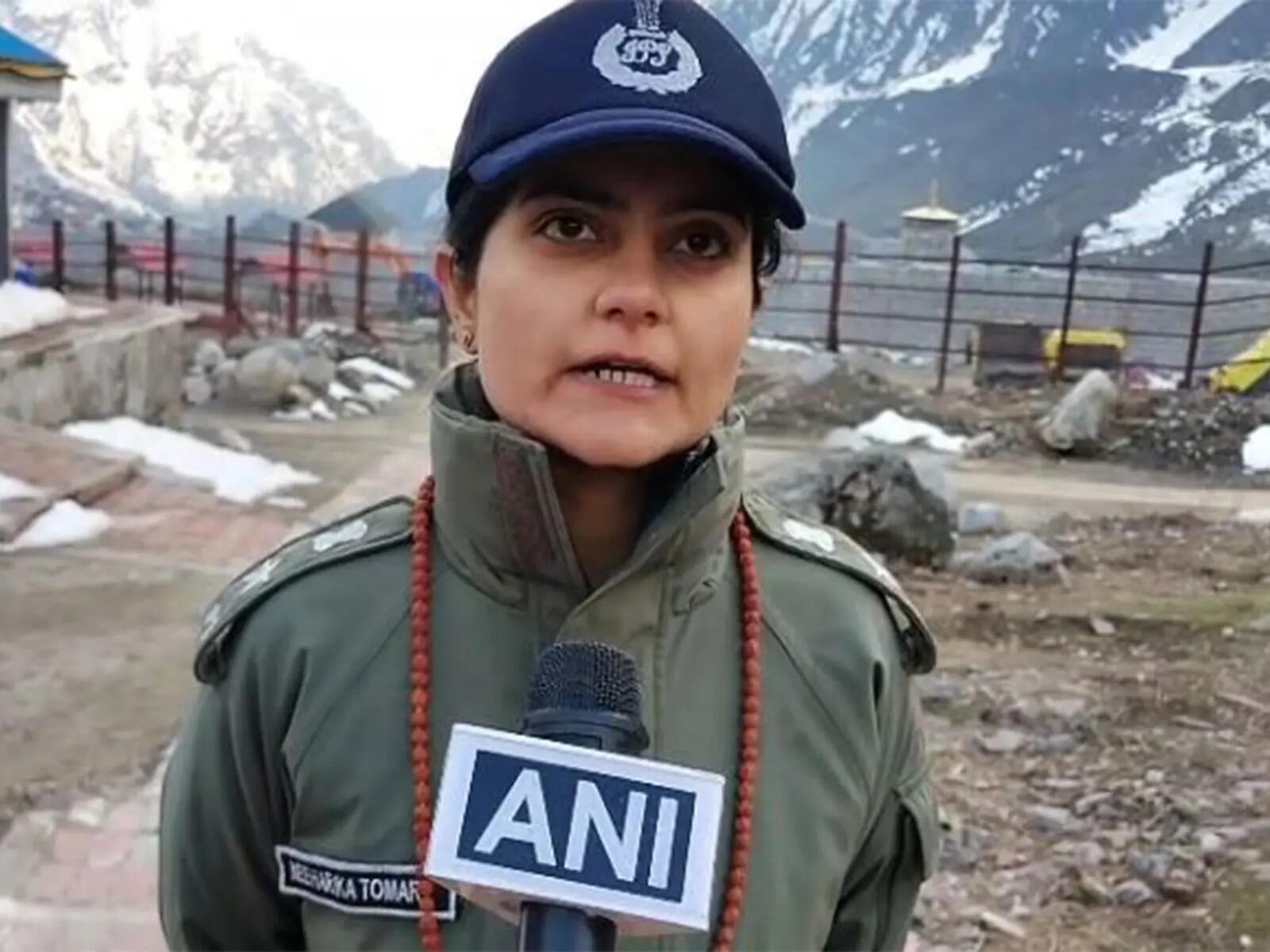
Authorities in the Rudraprayag district have officially banned the creation of social media reels and videography within the Kedarnath temple courtyard. This move is designed to protect the religious atmosphere of the holy site and ensure the safety of the thousands of pilgrims who visit every day. Superintendent of Police Niharika Tomar confirmed that security measures have been increased to manage the large crowds and enforce these new rules during the busy pilgrimage season.
Main Impact
The primary impact of this decision is a change in how visitors interact with the temple environment. By stopping people from filming videos for social media, the administration hopes to reduce the time individuals spend blocking pathways in the courtyard. This will allow for a smoother flow of people, making it easier for elderly and tired pilgrims to move through the area. It also shifts the focus back to the spiritual purpose of the visit rather than digital content creation.
Key Details
What Happened
The Rudraprayag police department noticed an increasing trend of visitors using the temple premises as a backdrop for viral videos. Some of these videos involved dancing or loud music, which many felt was disrespectful to the traditions of the shrine. To address this, Superintendent of Police Niharika Tomar announced that police officers would be stationed specifically to watch for cameras and mobile phones being used for videography in restricted zones. The ban is strictly for the inner courtyard area where the main temple stands.
Important Numbers and Facts
The Kedarnath pilgrimage is part of the famous Char Dham Yatra, which attracts millions of people to the state of Uttarakhand every year. During the peak months, the daily footfall can exceed 20,000 people. Managing such a large number of people in a high-altitude area is a major challenge for the local government. The police have deployed extra personnel this year to handle the surge in visitors and to make sure that the new rules regarding mobile phone use are followed by everyone.
Background and Context
Kedarnath is one of the most important religious sites in India, located high in the Himalayan mountains. Because it is so beautiful and famous, it has become a popular spot for social media influencers. In the past few years, the rise of short-form video apps has led to many people filming "reels" right in front of the temple. While some see this as a way to share their journey, others believe it ruins the peace and quiet that a place of worship should have. The temple committee and local residents have often complained that the focus on filming makes the area feel more like a tourist attraction and less like a sacred space.
Public or Industry Reaction
The reaction to this ban has been largely positive among traditional pilgrims and religious leaders. Many devotees have expressed relief, stating that they can now pray without being interrupted by people holding cameras or performing for an audience. However, some younger travelers and content creators feel the rules are too strict. They argue that filming is a way to document their personal experiences. Despite these mixed feelings, the local administration remains firm, stating that the comfort and safety of the general public must come before the needs of social media users.
What This Means Going Forward
Moving forward, visitors to Kedarnath should expect more signs and announcements regarding the ban on videography. Security guards may ask people to put their phones away if they are seen filming in the courtyard. If the problem continues, the authorities might consider more serious steps, such as temporary phone lockers or fines for those who break the rules. This policy could also serve as a model for other famous temples in India that are struggling with the same issues caused by social media trends. The goal is to find a balance between modern technology and ancient traditions.
Final Take
The decision to ban reels at Kedarnath highlights a growing need to protect the dignity of historical and religious sites. While technology allows us to share our lives with the world, some places require a level of respect that goes beyond a digital screen. By enforcing these rules, the Rudraprayag police are helping to ensure that the temple remains a place of peace for everyone who makes the long journey to reach it.
Frequently Asked Questions
Can I still take photos at Kedarnath?
Photography is generally allowed in the outer areas, but the ban specifically targets videography and the making of reels in the main temple courtyard to prevent crowds from gathering and to maintain respect.
Who is enforcing these new rules?
The Rudraprayag police, led by the Superintendent of Police, are responsible for monitoring the area and making sure that visitors follow the guidelines during the pilgrimage season.
Why was this ban put in place?
The ban was started to stop the disrespectful use of the temple for viral videos and to help manage the large number of people so that everyone can move through the courtyard safely and quickly.



