Summary
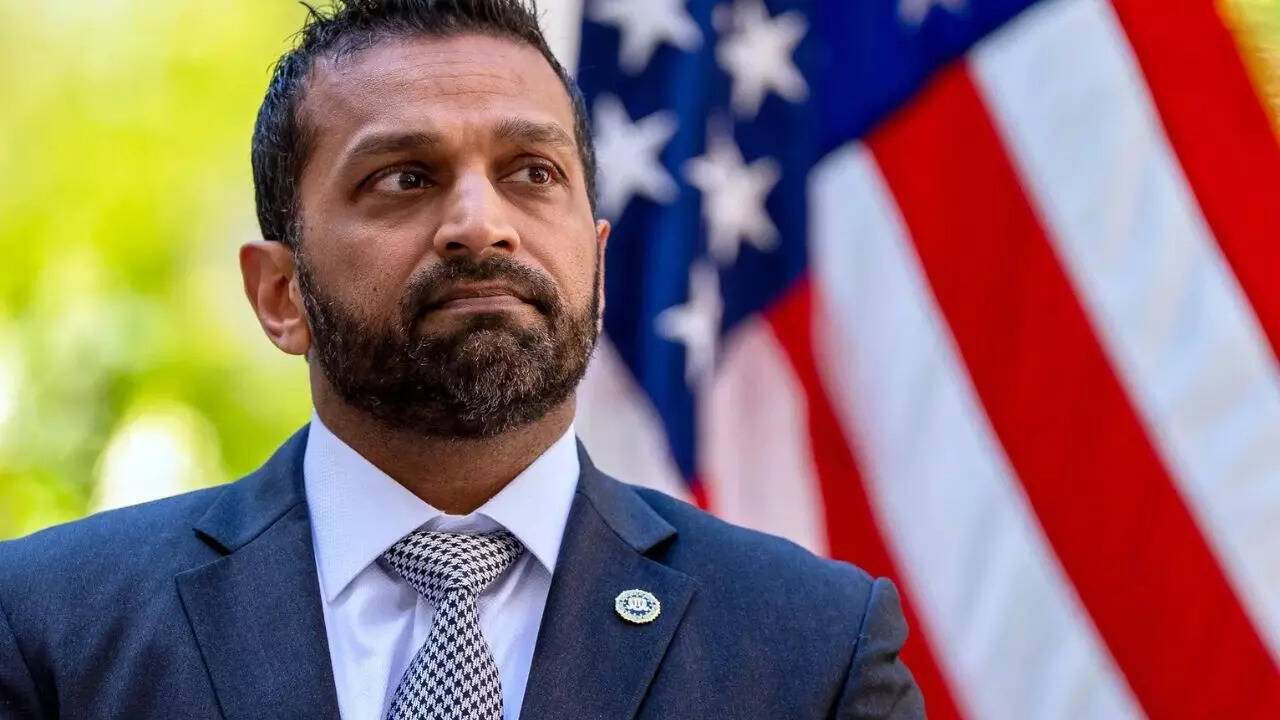
Kash Patel, a former high-ranking government official, has launched a legal battle against a journalist over a report about his personal life. The report claimed that Patel has a drinking problem, a statement he strongly denies. While Patel argues the story is a lie meant to damage his name, the journalist has publicly stated she stands by every word of her reporting. This case is now heading to court as both sides refuse to back down.
Main Impact
This legal fight is more than just a personal disagreement. It highlights the ongoing tension between powerful public figures and the media. If Patel wins, it could change how journalists report on the private habits of people in power. On the other hand, if the journalist wins, it will strengthen the protections for the press when they report on matters of public interest. The case also puts Patel’s reputation in the spotlight, as the legal process will likely bring more details about his life into the public eye.
Key Details
What Happened
The dispute started after a news report was published that included claims about Patel’s behavior and alcohol use. Patel quickly responded by filing a lawsuit, calling the claims false and harmful. He believes the report was written to hurt his career and his standing with the public. However, the journalist who wrote the story is not apologizing. She recently spoke out, saying she is ready to fight the case in court because she believes her information is correct and well-sourced.
Important Numbers and Facts
Kash Patel has served in several major roles, including positions at the Department of Defense and the National Security Council. Because he is a well-known public figure, the law makes it harder for him to win a defamation case. He must prove that the journalist acted with "actual malice." This means he has to show that she either knew the information was false or had a total lack of care for whether it was true or not. Defamation lawsuits like this often seek millions of dollars in payment for damages to a person's career and mental health.
Background and Context
In the United States, the law gives a lot of freedom to the press, especially when they are writing about people who work in the government. This is because the public has a right to know about the people who lead them. However, there is a limit to this freedom. Journalists are expected to check their facts and use reliable sources. When a report touches on personal issues like health or drinking habits, the line between public interest and private life becomes very thin. Patel has often been a controversial figure in politics, which makes this case even more high-profile.
Public or Industry Reaction
The reaction to this lawsuit has been split. Many of Patel’s supporters believe that the media often treats him unfairly and that this lawsuit is a necessary step to stop false reporting. They see it as a way to hold journalists accountable for what they write. Meanwhile, groups that support press freedom are worried. They argue that these kinds of lawsuits can be used to scare reporters away from writing difficult stories. They believe that if journalists are afraid of being sued for every small detail, they might stop reporting on important issues altogether.
What This Means Going Forward
The next step in this case is the discovery phase. This is a part of the legal process where both sides must share their evidence. Patel’s lawyers will look for emails or notes that show the journalist knew the story was wrong. The journalist’s team will look for evidence or witnesses that prove the claims about the drinking problem were true. This process can take a long time and can be very expensive. It is also possible that the case could be settled out of court, but right now, both sides seem ready for a long fight.
Final Take
This case serves as a reminder of the power of words and the weight of the law. As the legal process moves forward, it will be a test of how much proof a journalist needs before publishing personal claims about a public official. Whether Patel wins or loses, the outcome will likely set a standard for future reporting on the private lives of those in the political world. The truth will be decided in a courtroom, but the impact will be felt across the entire media world.
Frequently Asked Questions
Why is Kash Patel suing the journalist?
He is suing because a report claimed he has a drinking problem. He says this is false and was written to damage his reputation and career.
What does "standing by every word" mean?
It means the journalist refuses to take back anything she wrote. She believes her report is accurate and is willing to defend it in a court of law.
Is it easy for a public official to win a defamation case?
No, it is actually very difficult. Public officials must prove that the reporter acted with "actual malice," which is a very high legal bar to clear compared to cases involving private citizens.