Summary
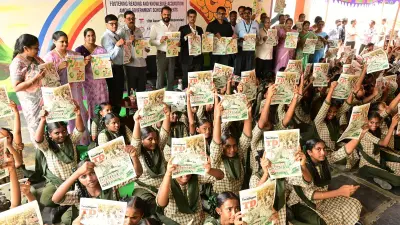
Rakesh Kumar, the Deputy Commissioner and CEO of LAHDC Kargil, recently led a high-level meeting to improve how young children learn in the district. The focus of the meeting was the Balvatika level, which is the starting stage of school for very young children. By using new digital tools and Smart TVs, the local government wants to make sure that early education is modern and fun. This plan is part of a larger effort to give every child in Kargil a strong start in their education journey.
Main Impact
The biggest change coming to Kargil’s schools is the move from traditional teaching to digital learning for toddlers. By putting Smart TVs in classrooms, the government is making it easier for teachers to show educational videos and interactive lessons. This change is expected to help children understand basic concepts much faster. It also ensures that schools in remote areas have access to the same high-quality teaching materials as schools in bigger towns. This move helps close the gap between different types of schools and gives every student a fair chance to succeed from a young age.
Key Details
What Happened
During the meeting, officials discussed how to best use the equipment they already have. They decided that Smart TVs must be placed directly in Balvatika classrooms so they are easy for teachers and students to use every day. To make sure the plan works, the district is setting up a clear chain of command. A Nodal Officer will lead the project for the whole district, while Zonal Education Officers (ZEOs) will handle the work in specific local areas. This structure helps everyone know exactly what their job is and who to talk to if there is a problem.
Important Numbers and Facts
The district has already received about 395 Smart TVs through a government program called the Samagra Shiksha scheme. These TVs are the main tools for this new digital push. To help teachers who might not have a fast internet connection, the district will use pen drives. These pen drives will be filled with organized folders containing videos, lesson plans, and activity guides. By using physical drives, the government ensures that even the most distant schools can use the digital content without worrying about slow or missing internet service.
Background and Context
The Balvatika level is a very important part of the school system. It is often called the foundational stage because it is where children aged three to six begin their formal learning. In the past, these classrooms mostly relied on printed books and basic toys. However, modern education research shows that young children learn very well through sight and sound. The Samagra Shiksha scheme is a national program in India that provides money and equipment to improve schools. By using these resources for the youngest students, Kargil is following national goals to improve basic reading and math skills before children reach higher grades.
Public or Industry Reaction
The local administration is taking this project very seriously. They have asked for a formal list of coordinators to be made quickly so that work can start immediately. To keep everyone connected, the district is setting up dedicated WhatsApp groups. These groups will allow officers and teachers to share updates and solve problems in real time. There is a strong push for accountability, meaning that officials will have to show progress every month. This strict monitoring shows that the government wants to see real results in the classrooms rather than just having the equipment sit unused.
What This Means Going Forward
In the coming months, schools across Kargil will start using these digital materials daily. The Nodal Officer is currently gathering all the best educational videos and games to put onto the pen drives. Once these are distributed, teachers will receive guidance on how to mix digital lessons with traditional play. The government plans to check on these schools every month to see how the children are doing. If this program is successful, it could serve as a model for other districts in the region to follow. The long-term goal is to make sure every child in Kargil is ready for primary school with a solid foundation of knowledge.
Final Take
This initiative shows a clear commitment to using technology for the benefit of the youngest learners. By organizing staff, providing hardware, and ensuring content is available offline, Kargil is removing the barriers that often stop digital programs from working. The focus on the Balvatika level highlights that the district understands that a child's early years are the most important for their future growth. This organized approach should lead to a more engaging and effective classroom experience for thousands of children.
Frequently Asked Questions
What is the Balvatika level in schools?
Balvatika is the foundational stage of education for children before they enter Class 1. It focuses on preparing young children for formal schooling through play, basic activities, and now, digital learning tools.
How will schools without internet use the digital content?
The district is providing pen drives to all schools. These drives contain all the necessary videos, lessons, and activities, so teachers can play them on Smart TVs without needing a live internet connection.
Who is responsible for making sure this program works?
The program is overseen by a District Nodal Officer and Zonal Education Officers. They will use monthly meetings and WhatsApp groups to track progress and ensure that the Smart TVs are being used correctly in classrooms.