Summary
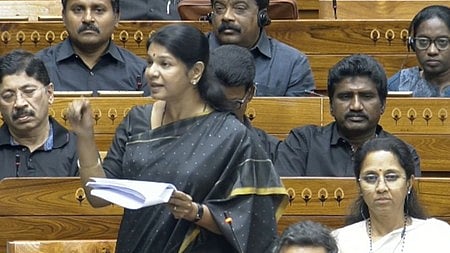
Kanimozhi Karunanidhi, a prominent leader of the Dravida Munnetra Kazhagam (DMK), has raised serious concerns about the central government's plans for the country's voting system. During a session in the Lok Sabha, she accused the government of using the promise of women’s reservation as a cover to change how electoral boundaries are drawn. She believes these changes are designed to help the ruling party in future elections. This debate highlights a growing tension between the central government and leaders from southern India over political representation.
Main Impact
The primary issue centers on the link between women’s reservation and the process of redrawing voting districts, known as delimitation. By connecting these two, the government has delayed the actual implementation of seats for women. Kanimozhi argues that this delay is unnecessary and serves a hidden political agenda. The biggest impact of this move could be a shift in power that favors states with larger populations, potentially reducing the political influence of states that have successfully managed their population growth, such as Tamil Nadu.
Key Details
What Happened
During a parliamentary debate, Kanimozhi questioned why the government is waiting to give women their promised seats in Parliament. A law for women’s reservation was passed with great support in 2023, yet it has not been put into action. The DMK leader claimed that the government is now trying to tie this reservation to a new census and the redrawing of constituency lines. She described this as a way for the ruling party to reshape the voting map to its own advantage.
Important Numbers and Facts
The women’s reservation law aims to set aside one-third of the seats in the Lok Sabha and state assemblies for women. Although the law was approved by Parliament in 2023, the government says it can only happen after a new census is taken and the delimitation process is finished. Kanimozhi pointed out that using old or upcoming census data to change boundaries could unfairly change the number of representatives each state sends to Parliament. She urged the government to use the current number of seats to give women their 33% share immediately, rather than waiting for years of bureaucratic changes.
Background and Context
Delimitation is the process of fixing the boundaries of territorial constituencies in a country to reflect changes in population. In India, this is a sensitive topic. Southern states have worked hard for decades to follow national goals for population control. Because of this, their population has grown more slowly than in northern states. If the government redraws the map based strictly on population numbers, northern states would gain many more seats in Parliament, while southern states could lose their voice. By linking women’s reservation to this process, the government has made a popular social reform part of a much more controversial political change.
Public or Industry Reaction
The reaction from opposition parties, especially those from the South, has been strong. DMK leaders, including Tamil Nadu Chief Minister M.K. Stalin, have warned of large protests if the new boundaries hurt the interests of their state. While Home Minister Amit Shah has given verbal promises that southern states will not lose their fair share of representation, Kanimozhi and her party are not satisfied. They are demanding that these promises be written into the law itself. They argue that verbal assurances are not enough to protect the democratic rights of millions of people.
What This Means Going Forward
The next steps will depend on whether the government is willing to separate the women’s quota from the redrawing of boundaries. If they continue to link the two, the reservation for women may not happen for several more years. This could lead to more legal battles and political protests. There is also a risk of a deeper divide between the North and South of India. If southern states feel their political power is being taken away, it could lead to long-term instability in how the states and the central government work together.
Final Take
The debate over women’s reservation has turned into a much larger fight about the future of Indian democracy. While everyone agrees that women deserve more representation, the method the government is using has created deep distrust. For leaders like Kanimozhi, the priority is clear: give women their seats now and ensure that no state is punished for its success in social and population planning. The government must provide clear, legal guarantees to ensure that the electoral map remains fair for everyone.
Frequently Asked Questions
What is delimitation in simple terms?
Delimitation is the process of redrawing the boundaries of voting areas to make sure each representative stands for a similar number of people. It usually happens after a new census is completed.
Why is the DMK worried about redrawing voting boundaries?
The DMK is worried that because southern states have controlled their population growth better than northern states, they might end up with fewer seats in Parliament, giving them less power in national decisions.
When will the women’s reservation law actually start?
The government says it will start after the next census and the redrawing of boundaries are finished. However, opposition leaders are demanding that it start immediately using the current seats.