Summary
Amal Khalil, a dedicated Lebanese journalist, was killed during an Israeli airstrike in southern Lebanon. She was on the ground reporting on the intense fighting between Israel and Hezbollah when the attack occurred. Her death marks a tragic moment for the media community, as she is the ninth journalist to lose her life in this conflict during the current year. The incident has sparked a fresh debate about the safety of reporters working in high-risk war zones.
Main Impact
The death of Amal Khalil has a deep impact on how news is gathered in southern Lebanon. When journalists are killed, it creates a "chilling effect," making other reporters afraid to go to the front lines. This means the world gets less information about what is actually happening to civilians and soldiers in the area. Furthermore, the delay in rescue efforts shows that even humanitarian workers are finding it nearly impossible to do their jobs safely under constant fire.
Key Details
What Happened
Amal Khalil was stationed in a village in southern Lebanon to document the ongoing military exchanges. According to reports, an Israeli airstrike hit the location where she was working. What made the situation even worse was the aftermath of the strike. Rescue teams tried to reach the site immediately to see if she could be saved. However, they were forced to turn back or wait because of continued fire from the Israeli side. This delay meant that any chance of providing life-saving medical care was lost.
Important Numbers and Facts
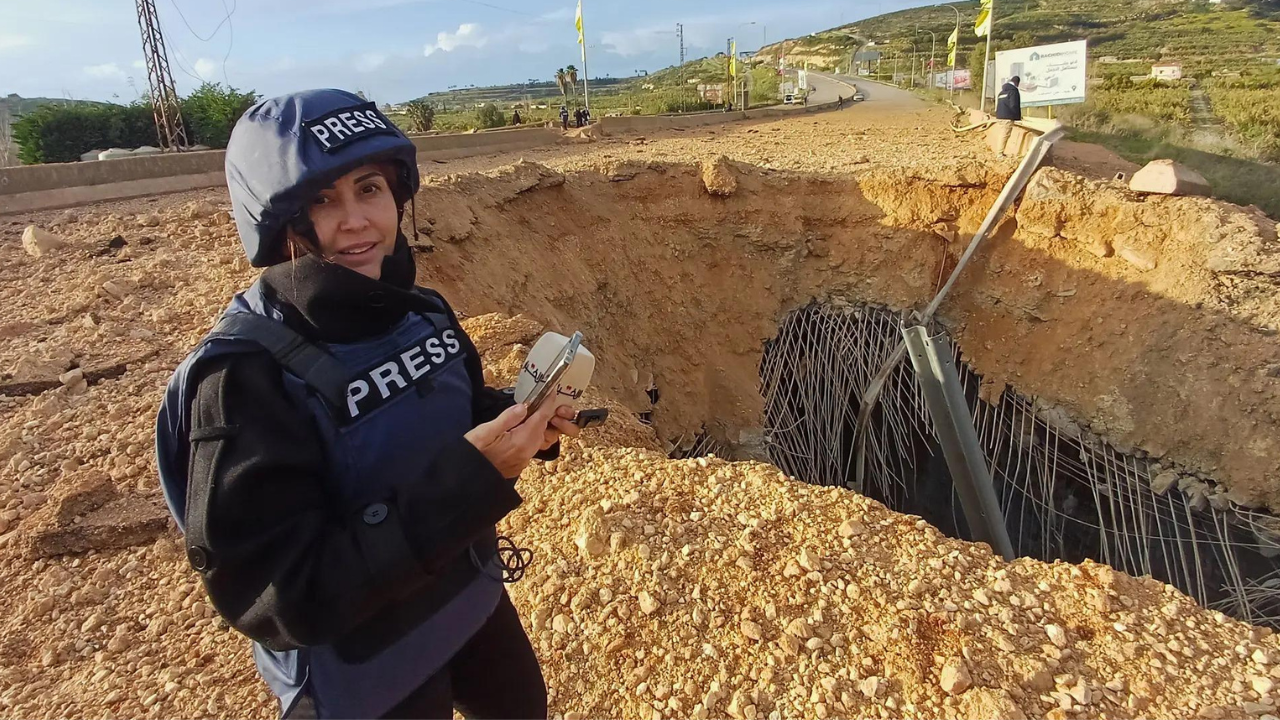
The loss of Amal Khalil is part of a larger, worrying trend for the press. She is the ninth journalist killed while covering this specific conflict since the start of 2026. Data from media watchdogs shows that the border region between Israel and Lebanon has become one of the most dangerous places in the world for members of the media. Most of these journalists were wearing clearly marked "Press" vests and helmets at the time they were hit, which are supposed to protect them under international rules.
Background and Context
The conflict between Israel and Hezbollah has been going on for a long time, but it has become much more violent recently. Southern Lebanon is the main area where the two sides trade fire. Hezbollah uses the hills and villages to launch rockets, while the Israeli military uses jets, drones, and artillery to strike back. Journalists like Khalil go to these dangerous spots because they want to show the reality of the war. They provide a voice for the people living in these villages who often have no other way to tell their stories to the world.
In international law, journalists are considered civilians. This means they should never be targeted during military operations. There are specific treaties, like the Geneva Conventions, that say armies must take extra care to avoid hitting people who are clearly identified as members of the press. Despite these rules, the number of media deaths in this region continues to rise, leading many to question if these laws are being followed at all.
Public or Industry Reaction
The reaction to Khalil’s death was immediate and filled with grief. Local news stations in Lebanon paused their regular programs to honor her memory. Many of her colleagues described her as a brave professional who knew the risks but chose to stay because she believed in the importance of her work. International media groups have also spoken out. They are calling for an independent investigation into the strike to see why a journalist was killed and why rescue teams were blocked from reaching her.
Human rights groups are also putting pressure on international leaders. They argue that if there are no consequences for killing journalists, then the press will never be safe in any war. They are asking for better protections and for the military to provide "safe corridors" so that reporters and medics can move without being shot at or bombed.
What This Means Going Forward
Moving forward, the death of Amal Khalil will likely lead to stricter safety rules for news agencies. Some organizations may stop sending their staff to the very front of the fighting, which could lead to a lack of eye-witness reporting. There is also a risk that the tension between Israel and Lebanon will grow even worse. Every time a civilian or a journalist is killed, it adds more anger to an already explosive situation.
Diplomats may use this event to push for a temporary ceasefire or a "period of calm" to allow civilians and media workers to move safely. However, as long as the fighting continues, the danger remains high. The international community will be watching closely to see if any changes are made to protect those who carry cameras instead of guns.
Final Take
The death of Amal Khalil is a reminder of the high price of truth. Journalists play a vital role in society by holding powerful groups accountable and showing the human side of war. When a reporter is killed, a light is put out, making it harder for everyone to see the facts. Protecting the press is not just about saving lives; it is about making sure the world stays informed, even in the darkest of times.
Frequently Asked Questions
Who was Amal Khalil?
Amal Khalil was a Lebanese journalist who worked to report on the conflict in southern Lebanon. She was known for her bravery and her commitment to telling the stories of people affected by the war.
Why was the rescue effort delayed?
Rescue teams were unable to reach the site of the airstrike immediately because of ongoing fire from the Israeli military. This made the area too dangerous for medics to enter for several hours.
Are journalists protected during wars?
Yes, under international law, journalists are treated as civilians. They are supposed to be protected from attacks, and targeting them is considered a violation of global legal standards.