
Summary
As the 2026 Tamil Nadu assembly elections approach, residents in the Jolarpet constituency are making their voices heard. The local community is calling for urgent improvements to small-scale industries and better water management for farming. These two sectors form the backbone of the local economy, and voters say they will support candidates who offer real solutions to these long-standing problems.
Main Impact
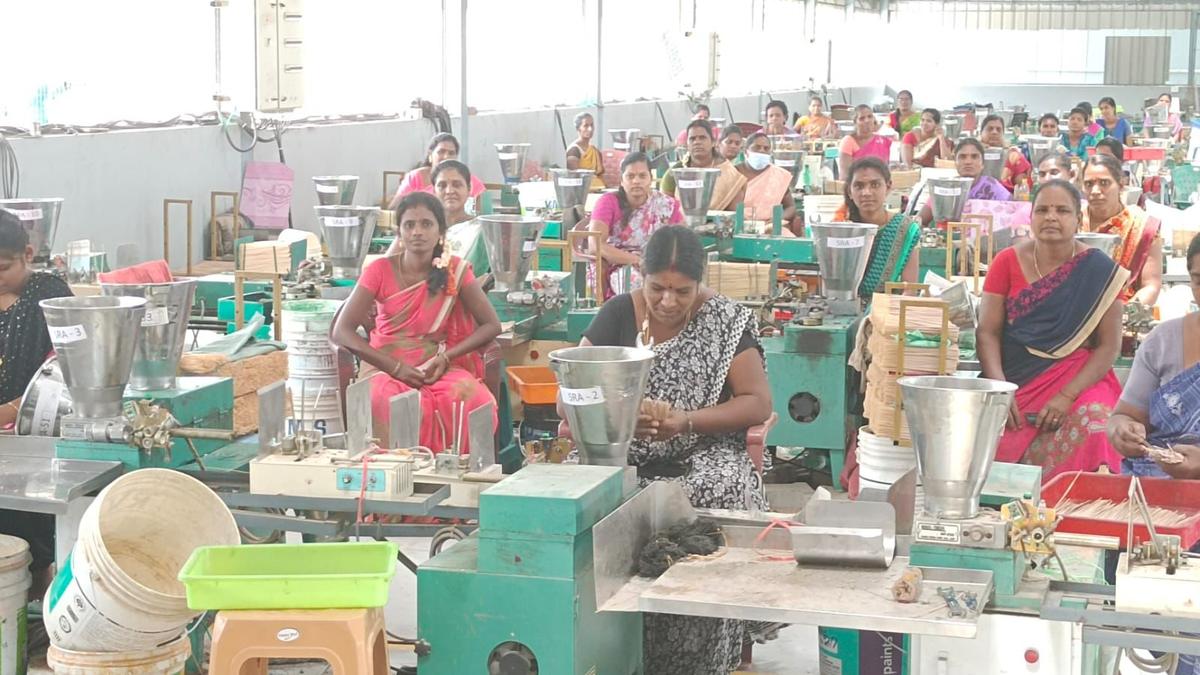
The primary concern in Jolarpet is the survival of the incense stick industry and the stability of local agriculture. Thousands of families depend on these sectors for their daily bread. If the government provides better infrastructure and financial support, it could transform the lives of tens of thousands of workers, particularly women who make up the majority of the workforce in small manufacturing units.
Key Details
What Happened
Community leaders and local workers have started highlighting their demands ahead of the election cycle. They point out that while Jolarpet is a well-known transit point due to its major railway station, the inner parts of the constituency lack modern industrial support. Workers in the incense stick business are asking for a dedicated industrial park and better price controls for their products. At the same time, farmers are struggling with dry land and a lack of irrigation facilities, making it hard to grow crops year-round.
Important Numbers and Facts
The scale of the incense stick industry in Jolarpet is significant. Data shows that approximately 40,000 people are directly involved in this trade. Most of these workers are women who work from home or in small local groups. There are about 550 different clusters or units where these sticks are made. These units produce a large portion of the incense sticks sold across the state, yet the workers often earn very low wages and lack basic job security or health benefits.
Background and Context
Jolarpet is located in the Tirupattur district and has traditionally been a mix of industrial workers and farmers. For decades, the incense stick industry has grown naturally without much help from the government. It started as a small cottage industry but has now grown into a massive network. However, because it is not officially organized, workers do not get the same help that larger factories receive.
On the agricultural side, the region often faces water shortages. Many farmers rely on rain to grow their crops. When the monsoon fails, the entire local economy suffers. Residents have been asking for projects that can bring water from nearby rivers or store rainwater more effectively through check dams and better canal systems.
Public or Industry Reaction
Local workers' unions and farmers' associations have been vocal about their needs. Many women working in the incense clusters say they feel ignored by past administrations. They want the government to set up a cooperative society that can help them buy raw materials at lower prices and sell their finished goods directly to the market without middle-men taking most of the profit.
Farmers have also expressed frustration. They argue that while big cities get massive infrastructure projects, rural farming needs are often pushed to the side. They are looking for a candidate who will prioritize irrigation and provide subsidies for modern farming tools that save water.
What This Means Going Forward
The 2026 election in Jolarpet will likely be decided by how political parties address these economic issues. Candidates will need to move beyond general promises and offer specific plans for the incense stick industry. This could include building a specialized trade center or providing insurance for the 40,000 workers involved.
For agriculture, the next government will need to look at long-term water storage solutions. If these issues are not addressed, the area could see a rise in migration as young people leave the constituency to find more stable work in bigger cities like Chennai or Bengaluru. Improving local jobs will keep the community strong and help the local economy grow.
Final Take
The people of Jolarpet are not asking for miracles; they are asking for the tools to help themselves. By supporting the thousands of women in the incense industry and securing water for farmers, the government can ensure a stable future for the region. As the election nears, the focus remains on whether leaders will listen to these practical demands or continue with business as usual.
Frequently Asked Questions
Why is the incense stick industry so important in Jolarpet?
It provides jobs for about 40,000 people, mostly women, across 550 production units. It is the main source of income for many households in the area.
What are the main problems farmers face in this region?
Farmers mainly struggle with a lack of consistent water supply. They need better irrigation systems and government projects to help them manage water during dry seasons.
What are the voters demanding for the 2026 election?
Voters want a dedicated industrial hub for small businesses, better pay for incense workers, and improved water infrastructure for agriculture.



