
Summary
Japan is marking the 15th anniversary of the devastating earthquake and tsunami that struck the country in 2011. Despite over a decade of rebuilding and new safety measures, a recent survey shows that 80% of the population still fears another major natural disaster. This high level of anxiety highlights the deep emotional scars left by the past and the constant threat of living in one of the world’s most active earthquake zones. The memory of the triple disaster—earthquake, tsunami, and nuclear meltdown—continues to shape the lives and worries of millions of people across the nation.
Main Impact
The primary impact of this ongoing fear is a national focus on constant readiness. While Japan has always been a leader in disaster prevention, the fact that eight out of ten people remain worried shows that physical walls and technology are not enough to provide peace of mind. This widespread concern affects everything from real estate prices in coastal areas to the mental health of survivors. It also keeps the government under pressure to prove that the country is truly ready for the "next big one," which experts say could happen at any time.
Key Details
What Happened
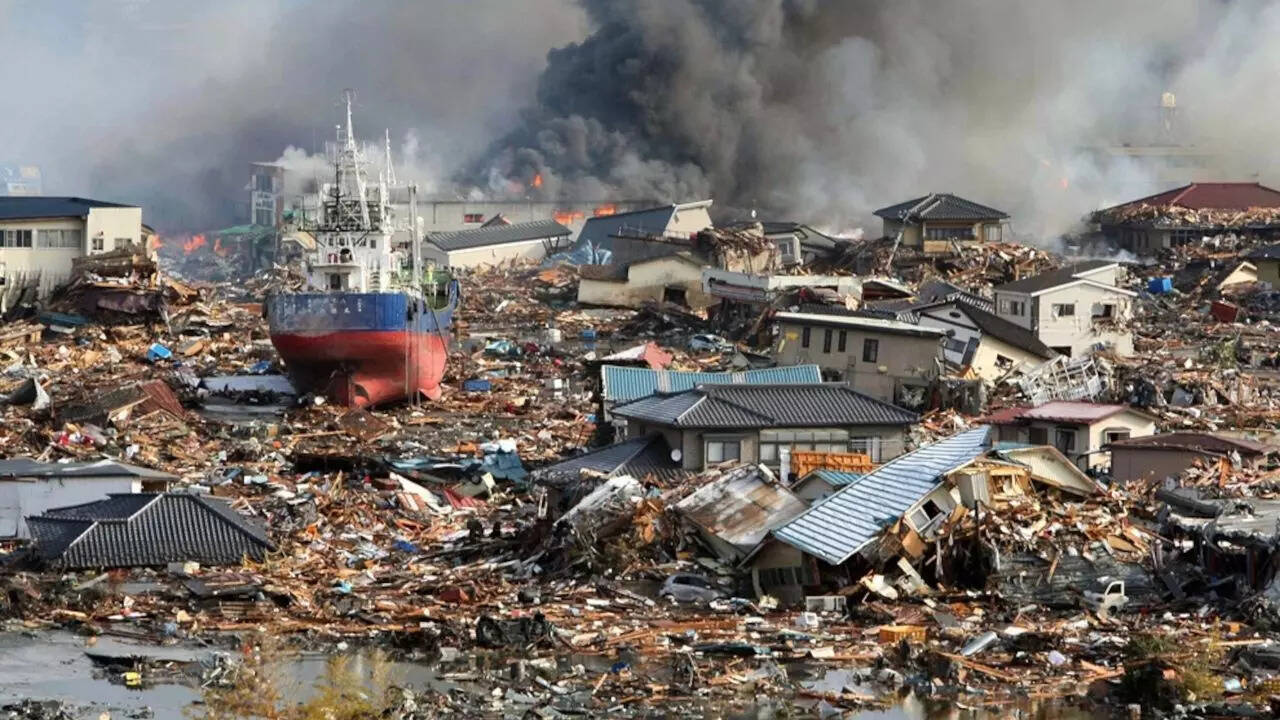
On March 11, 2011, a massive 9.0 magnitude earthquake hit the northeast coast of Japan. It was the most powerful earthquake ever recorded in the country’s history. The shaking lasted for several minutes and was followed by a giant tsunami. This wall of water reached heights of over 40 meters in some places, sweeping away entire towns and causing a catastrophic failure at the Fukushima Daiichi nuclear power plant. The combination of these three events created a crisis that the world had never seen before.
Important Numbers and Facts
The 2011 disaster resulted in more than 18,000 deaths or missing persons. Hundreds of thousands of people were forced to leave their homes, and many have never returned. In the 15 years since, the Japanese government has spent billions of dollars on reconstruction. However, a new poll conducted for the anniversary reveals that 80% of citizens are still "very" or "somewhat" concerned about a future disaster. This fear is fueled by recent smaller earthquakes, such as the one that hit the Noto Peninsula in early 2024, which reminded everyone how quickly life can change.
Background and Context
Japan is located on the "Ring of Fire," an area in the Pacific Ocean where many earthquakes and volcanic eruptions occur. Because of its position on several tectonic plates, the country experiences thousands of tremors every year. For generations, Japanese people have been taught how to hide under desks and prepare emergency bags. However, the 2011 event was so much larger than anything people had practiced for that it changed the national mindset. It proved that even the best defenses can fail when nature is at its most violent.
Public or Industry Reaction
The reaction from the public is a mix of sadness and practical worry. Many survivors feel that the world is moving on, while they are still dealing with the loss of family members and land. In the tech and construction industries, there is a push to create "smart" cities that can survive a total loss of power or water. Meanwhile, some critics argue that building massive concrete sea walls has ruined the beauty of the coast and might give people a false sense of security. The general feeling among the public is that while they trust their government's technology, they do not fully trust nature to stay calm.
What This Means Going Forward
Looking ahead, the focus is now on two major threats: the Nankai Trough earthquake and a potential direct hit on Tokyo. Scientists have warned that there is a high chance of a massive quake in these areas within the next 30 years. Because of this, the 80% fear rate is not just about the past; it is a logical response to scientific warnings. The government is expected to increase spending on disaster education and remote working tools so that the economy can keep running if a major city is hit. The next few years will likely see more drills and stricter building codes as the country tries to lower that 80% figure.
Final Take
Fifteen years after one of the worst days in its history, Japan remains a nation on edge. The high level of fear among the public shows that time does not always heal all wounds, especially when the threat remains real. While the physical buildings have been replaced, the sense of safety has not fully returned. This collective anxiety serves as a powerful motivator to keep improving, but it also serves as a somber reminder of the power of the natural world.
Frequently Asked Questions
Why are so many people in Japan still afraid 15 years later?
The 2011 disaster was so large and traumatic that it left a lasting mark on the national memory. Additionally, recent earthquakes in other parts of Japan and scientific warnings about future "mega-quakes" keep the fear fresh in people's minds.
What was the "triple disaster" of 2011?
It refers to the three connected events that happened in March 2011: a massive 9.0 magnitude earthquake, a giant tsunami triggered by that quake, and the nuclear meltdown at the Fukushima Daiichi plant caused by the tsunami.
Is Japan better prepared now than it was in 2011?
Yes, Japan has built higher sea walls, improved its early warning systems, and updated building laws. However, many experts and citizens believe that nature can still find ways to bypass even the most advanced human defenses.

