Summary
Government leaders have issued a strong call to action for officials to speed up and improve the "Jaladhara-Jalaharathi" program. This initiative is designed to fix water shortages by restoring old ponds, building new water storage structures, and recharging groundwater. The goal is to make sure that every village has enough water for farming and daily use. By focusing on better management, the government hopes to protect rural communities from the harsh effects of drought and falling water levels.
Main Impact
The push for a better rollout of this initiative will have a direct effect on rural life and the local economy. When water bodies are maintained properly, they hold more rainwater during the monsoon season. This prevents the water from simply running away and getting lost. Instead, it soaks into the ground, which raises the water table. For farmers, this means their wells will stay full longer, allowing them to grow crops even when the rains are late. For families, it means a more reliable supply of clean drinking water near their homes.
Key Details
What Happened
During a recent high-level review meeting, senior leaders expressed concern over the slow pace of some water projects. They instructed district officials and engineers to move faster. The "Jaladhara-Jalaharathi" initiative is not just about building things; it is about making sure the work is done correctly so it lasts for many years. Officials were told to visit project sites in person rather than just reading reports from their offices. They must ensure that desilting work—which involves removing mud and sand from the bottom of lakes—is finished before the next rainy season begins.
Important Numbers and Facts
The government has set ambitious targets for the coming year. Thousands of small tanks and ponds across the region have been identified for restoration. Significant funds have been set aside to pay for labor and machinery. A large portion of this work is being linked to employment guarantee schemes, providing jobs to local villagers while they improve their own community’s water supply. Officials are required to submit weekly progress reports to ensure that the money is being used effectively and that projects are staying on schedule.
Background and Context
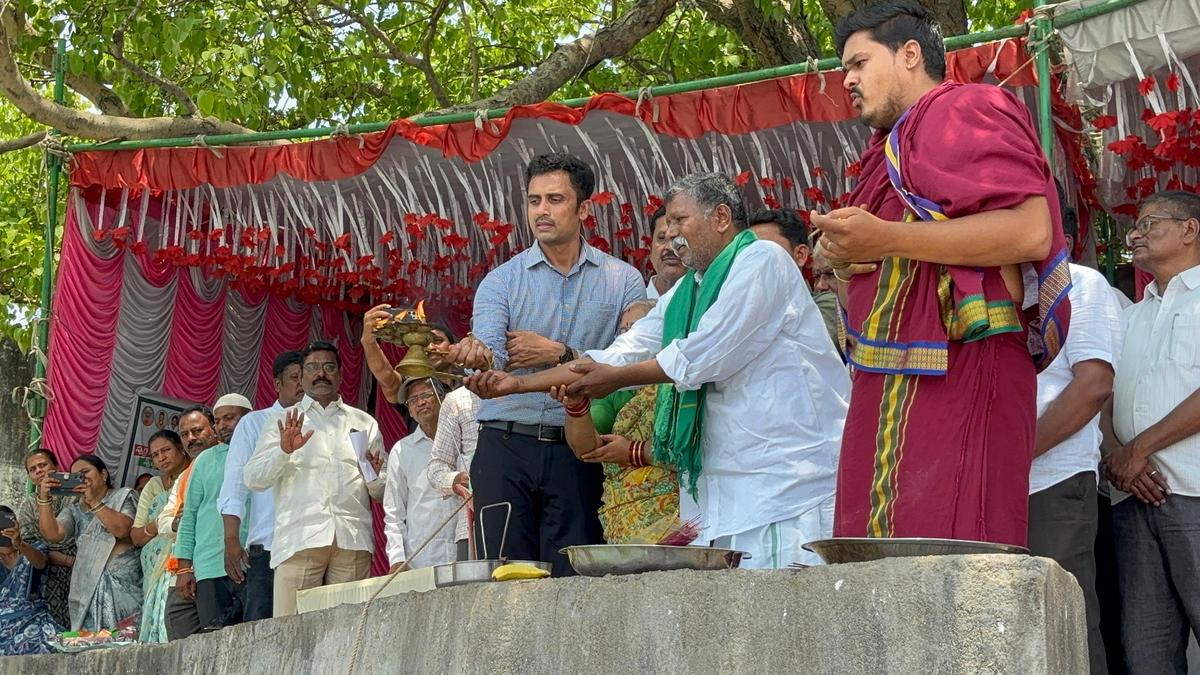
Water scarcity has become a major challenge due to changing weather patterns and the over-use of underground water. In the past, many villages relied on traditional tanks and ponds that were maintained by the community. Over time, many of these water bodies became filled with dirt or were ignored. The "Jaladhara-Jalaharathi" initiative seeks to bring these traditional systems back to life. "Jaladhara" refers to the flow of water, while "Jalaharathi" is a way of showing respect and value for water as a life-giving resource. By combining modern engineering with traditional wisdom, the program aims to create a sustainable future where water is never a luxury.
Public or Industry Reaction
Local farmers have welcomed the news, as many have struggled with dry wells in recent years. They believe that if the ponds are cleaned properly, their livestock will also have better access to water. However, some community activists have raised concerns about the quality of the work. They are asking for more transparency and want to see where the money is going. There is a general feeling that while the plan is good, the success depends entirely on how hard the local officials work to implement it. Industry experts in agriculture also suggest that planting more trees around these water bodies would help keep the soil in place and improve the environment further.
What This Means Going Forward
In the coming months, there will be a lot of activity in rural areas as tractors and workers begin the restoration process. The government plans to use technology, such as satellite photos and mobile apps, to track the progress of each pond and check dam. This will make it harder for work to be faked or left unfinished. If these efforts succeed, the region could see a significant increase in crop yields and a decrease in the need for expensive water tankers during the summer. The long-term goal is to make every village "water-neutral," meaning they collect and save as much water as they use.
Final Take
The success of the "Jaladhara-Jalaharathi" initiative is vital for the survival of rural communities. It is a reminder that water is our most precious resource and must be managed with care. While the government provides the plan and the funding, the real results will come from the dedication of the officials on the ground and the participation of the people. If everyone works together, the threat of water scarcity can be turned into a story of growth and security.
Frequently Asked Questions
What is the main goal of the Jaladhara-Jalaharathi initiative?
The main goal is to improve water security by restoring old water bodies, recharging groundwater, and ensuring that rainwater is stored effectively for farming and domestic use.
How does desilting help in water conservation?
Desilting involves removing the buildup of mud and debris from the bottom of ponds and lakes. This allows the water body to hold much more water and helps that water soak into the ground more easily.
Who is responsible for making sure these projects are completed?
Local district officials, engineers, and village leaders are responsible for the implementation. The government is also encouraging local citizens to participate and monitor the progress in their own areas.