Summary
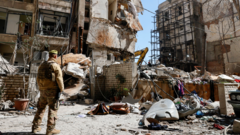
Hopes for peace in Lebanon were quickly destroyed following a massive wave of military strikes by Israel. Many people in the region believed a ceasefire was finally in place after the United States reached an agreement with Iran to reduce fighting. However, Israel clarified that this specific deal does not include Lebanese territory, leading to a sudden and violent increase in attacks that caught many by surprise.
Main Impact
The immediate result of this military action has been a sharp rise in fear and confusion across Lebanon. Families who thought it was safe to return to their homes or stop seeking cover found themselves in the middle of a heavy bombing campaign. This development shows a major gap between international diplomatic efforts and the reality on the ground. While the US-Iran agreement was meant to calm the Middle East, the exclusion of Lebanon means the violence there could continue or even get worse in the coming days.
Key Details
What Happened
Just as news of a potential peace deal began to spread, the Israeli military launched a series of intense air strikes. These attacks targeted various locations across Lebanon, hitting what Israel describes as military assets. The timing was particularly shocking for the public, as many had spent the morning celebrating the news of a ceasefire. Israel’s government quickly issued a statement explaining that their fight against groups in Lebanon is separate from any agreements made regarding Iran.
Important Numbers and Facts
The military operation involved dozens of fighter jets hitting multiple targets within a very short window of time. Reports indicate that the strikes focused on southern Lebanon and parts of the capital. While the US-Iran deal was intended to stop a wider war, Israeli officials stated that their security requirements in the north have not yet been met. This means that even if Iran stops certain activities, the conflict on the Lebanese border remains active and dangerous.
Background and Context
The conflict in Lebanon has been going on for a long time, involving frequent exchanges of fire between Israel and the group Hezbollah. Hezbollah receives significant support from Iran, which is why many people assumed a deal with Iran would automatically include a stop to the fighting in Lebanon. In the past, regional peace deals have often struggled because different groups have different goals. Israel maintains that it must continue its military pressure to ensure that its citizens living near the border can return to their homes safely. Without a specific agreement that covers the Lebanese border, Israel feels it has the right to continue its operations.
Public or Industry Reaction
The reaction in Lebanon has been one of anger and deep sadness. Government officials in Beirut expressed shock, stating they were led to believe that a total ceasefire was on the table. International aid groups have also raised concerns, noting that the sudden restart of heavy bombing makes it nearly impossible to deliver food and medicine to those in need. Some political experts suggest that this move by Israel is a signal to the United States that it will not let international deals dictate its local security choices. Meanwhile, the US government is facing questions about why the deal with Iran did not provide more protection for Lebanon.
What This Means Going Forward
The next few weeks will be critical for the region. If the fighting in Lebanon continues to grow, it could pull other countries back into a larger conflict, undoing the progress made by the US-Iran deal. Diplomats are now working quickly to see if a separate ceasefire can be negotiated specifically for Lebanon. However, Israel has made it clear that it will only stop its military actions if certain security conditions are met. This includes moving armed groups away from its border. Until those conditions are settled, the risk of more air strikes remains very high for the people of Lebanon.
Final Take
This situation serves as a reminder that peace in the Middle East is rarely simple. A deal in one area does not always mean safety in another. For the people of Lebanon, the hope for a quiet sky was short-lived, and the path to a lasting ceasefire now looks much more difficult. The international community must now decide if it can bridge the gap between these different conflicts or if Lebanon will be left to face the violence alone.
Frequently Asked Questions
Why is Lebanon not part of the ceasefire?
Israel claims that the agreement between the US and Iran does not cover the specific security issues it has with groups in Lebanon. Israel views the Lebanese border as a separate conflict that requires its own set of rules and safety guarantees.
What was the goal of the US-Iran deal?
The deal was designed to lower tensions across the Middle East and prevent a larger war between major powers. While it addressed several regional issues, it did not include specific language to stop the fighting between Israel and Hezbollah in Lebanon.
Is it safe for civilians in Lebanon right now?
No, the situation remains very dangerous. Because the ceasefire does not apply to Lebanon, military strikes are continuing. Civilians are advised to stay alert and follow safety instructions from local authorities as the conflict remains unpredictable.