Summary
Israel and Lebanon have started a temporary 10-day ceasefire to pause the heavy fighting that has lasted for over a month. While thousands of displaced people are trying to return to their homes in southern Lebanon, the situation remains very tense. Israel has stated that its military will stay in the areas it currently occupies and will continue to destroy certain buildings. This short break in the war is a test to see if a more lasting peace can be reached, but both sides remain on high alert.
Main Impact
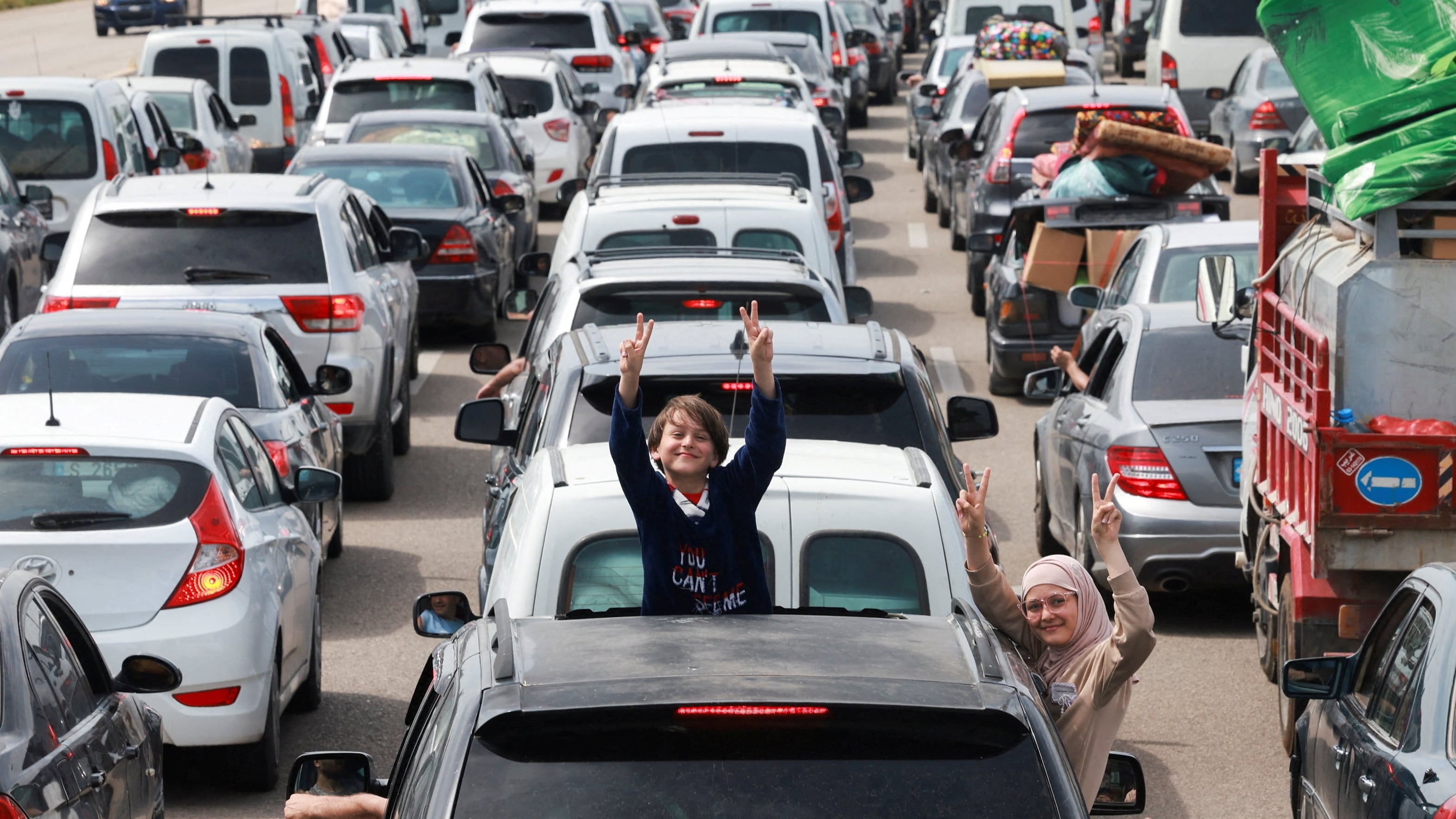
The most immediate effect of the ceasefire is the massive movement of people across Lebanon. Families who fled the violence are now rushing back to the south, leading to huge traffic jams on major roads. However, the peace is not complete. Israel’s decision to keep its troops on Lebanese soil and continue demolishing houses means that the threat of violence has not gone away. For many, the joy of returning home is mixed with the fear that the fighting could start again at any moment.
Key Details
What Happened
The ceasefire officially began at midnight, marking the first day of a planned 10-day pause. Immediately after the sun rose, the highway connecting the capital city of Beirut to the southern parts of the country became blocked with cars. People packed their belongings and headed south, even though many roads and bridges are badly damaged. In some areas, people were seen waving flags and holding photos of loved ones lost during the conflict.
Despite the pause, the Israeli Defense Minister, Israel Katz, made it clear that the military is not leaving yet. He confirmed that Israeli soldiers will stay in a zone that goes up to 10 kilometers into Lebanese territory. During these 10 days, the military plans to keep destroying what they call "terrorist infrastructure." This includes the demolition of houses that Israel claims were used by armed groups.
Important Numbers and Facts
- 10 Days: The length of the current temporary ceasefire agreement.
- 10 Kilometers: The depth of the area in southern Lebanon where Israeli troops plan to stay.
- 46 Days: The total length of the intense war before this pause began.
- 2,000 Attacks: The number of strikes Hezbollah claims to have carried out against Israel during the conflict.
- Midnight: The exact time the ceasefire went into effect.
Background and Context
This conflict is part of a much larger and more complicated struggle involving Israel, Lebanon, and Iran. For the past 46 days, the fighting has been constant, with heavy bombing and ground battles. Israel says its goal is to stop Hezbollah, an armed group in Lebanon, from attacking northern Israeli towns. Hezbollah, which is supported by Iran, says it is defending Lebanon and supporting its allies in the region.
The 10-kilometer zone in southern Lebanon is a major point of disagreement. Israel wants this area to be a buffer zone to keep its citizens safe. However, the Lebanese government and many international observers see the presence of foreign troops as a violation of Lebanon's rights as a country. The destruction of homes during a ceasefire is also a very controversial move that could make it harder to reach a final peace deal.
Public or Industry Reaction
The reaction to the ceasefire has been a mix of relief and anger. The Lebanese army has already accused Israel of breaking the rules of the truce on the very first day. They claim that Israeli military actions have continued despite the agreement to stop fighting. On the other side, Hezbollah has told its fighters to stay ready. The group said its members have their "hands on the trigger" and are watching the Israeli military closely.
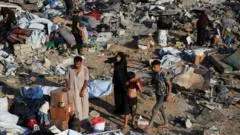
In the streets, the mood is one of desperation. People are tired of the war and want to return to their normal lives. However, the sight of destroyed bridges, such as the main access point to the city of Tyre, reminds everyone of how much has been lost. The traffic jams show how many people were forced to leave their homes and how much they want to go back, even if their houses are no longer there.
What This Means Going Forward
The next nine days will be critical for the region. If the ceasefire holds, it could lead to talks for a longer peace agreement. If it fails, the fighting could become even worse than before. The main challenge is the presence of Israeli troops in southern Lebanon. As long as they stay and continue to destroy buildings, Hezbollah is likely to feel the need to respond. The international community is watching closely to see if both sides can follow the rules they agreed to at midnight.
Final Take
A ceasefire is always a good sign, but this one feels very fragile. The fact that people are rushing home while soldiers are still destroying houses shows how complicated the situation is. True peace will require more than just a 10-day pause; it will require both sides to find a way to live without the constant threat of war. For now, the world waits to see if the guns will stay silent or if this is just a short break before more violence.
Frequently Asked Questions
How long will the ceasefire last?
The current agreement is for a 10-day temporary pause in the fighting. After this period, both sides will decide whether to extend the peace or return to conflict.
Why are Israeli troops still in Lebanon?
Israel's Defense Minister stated that the military will maintain control of a 10-kilometer zone in southern Lebanon to ensure security and continue destroying military infrastructure used by Hezbollah.
Can people return to their homes in the south?
Many people are trying to return, but it is difficult and dangerous. Roads are blocked by heavy traffic, and some bridges are destroyed. Additionally, the Israeli military is still active in certain areas, making it unsafe for everyone to go back.