Summary
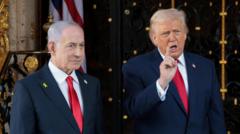
A sudden ceasefire agreement in Lebanon, heavily influenced by Donald Trump’s administration, has caught the Israeli public and political leaders by surprise. The deal aims to stop the long-standing exchange of fire between the Israeli military and the militant group Hezbollah. While the announcement brings a pause to the immediate violence, many people in Israel remain skeptical about its long-term success. This move represents a major shift in diplomatic efforts to stabilize the border between the two countries.
Main Impact
The most immediate effect of this ceasefire is the halt of daily rocket attacks and airstrikes that have plagued the region for months. For the thousands of families living near the border, the news brings a mix of relief and deep concern. The surprise nature of the deal has left many wondering if the security measures are strong enough to keep them safe. In the political world, this development shows a new style of fast-paced diplomacy that prioritizes quick results over long, traditional negotiations.
Key Details
What Happened
The ceasefire was announced following intense discussions involving the U.S. government. The agreement calls for a stop to all military actions across the border. It also includes rules about where armed groups can be located. The goal is to create a buffer zone that prevents direct contact between opposing forces. This deal was reached much faster than most experts expected, leading to the sense of surprise within Israel.
Important Numbers and Facts
The conflict has had a massive cost for both sides. More than 60,000 Israeli citizens have been forced to leave their homes in the north since the fighting began. On the Lebanese side, the number of displaced people is even higher, with hundreds of thousands moving away from the border areas. The new agreement sets a timeline for these people to return, but the process will take several weeks. Military reports indicate that thousands of rockets were fired during the conflict, causing significant damage to infrastructure and local economies.
Background and Context
The tension between Israel and Hezbollah is not new. The two sides have fought several wars over the past few decades. The most recent round of fighting started shortly after the events of October 2023. Hezbollah began firing rockets into northern Israel to show support for groups in Gaza. Since then, the border has been a constant battle zone. Previous attempts by the international community to create a lasting peace have often failed because the rules were not strictly followed. Many Israelis remember past deals that did not stop Hezbollah from building up its weapons near the border, which is why there is so much doubt today.
Public or Industry Reaction
The reaction in Israel has been divided. Some government officials see the ceasefire as a necessary step to allow the country to focus on other security threats. They argue that a break in the fighting is better than a never-ending war. However, many residents in northern towns feel betrayed. They worry that the ceasefire does not go far enough to remove the threat of future attacks. Military analysts have also expressed concern that the militant groups might use this quiet time to regroup and bring in more weapons. In the business sector, there is hope that the end of the fighting will help the economy recover, especially in the tourism and farming industries that rely on the northern region.
What This Means Going Forward
The success of this ceasefire depends on how well it is monitored. If the rules are not enforced, the fighting could start again very quickly. The U.S. is expected to play a big role in making sure both sides stick to the plan. In the coming months, we will see if the displaced families actually feel safe enough to go back to their houses. There is also the question of how this deal affects the broader region. If this truce holds, it could serve as a model for other conflicts. If it fails, it might lead to an even larger war that involves more countries.
Final Take
While the ceasefire offers a much-needed break from the violence, it is far from a final solution. The surprise deal has stopped the rockets for now, but the underlying anger and security issues remain. True peace will only come if both sides feel secure and if the promises made in this agreement are kept in the long run.
Frequently Asked Questions
Why was the ceasefire a surprise to Israel?
The deal was finalized very quickly through direct diplomatic pressure from the Trump administration. Many people in Israel expected the fighting to continue for much longer and did not think a deal was close.
Can people return to their homes near the border?
The agreement allows for people to return, but it will happen in stages. Security forces must first ensure that the area is safe and that the terms of the ceasefire are being followed by all groups.
Who will make sure the ceasefire is followed?
International monitors and the U.S. government are expected to oversee the agreement. They will check to see if armed groups have moved away from the border as promised in the deal.