Summary
United States President Donald Trump has announced a three-week extension of the ceasefire between Israel and Lebanon. This decision follows a high-level meeting at the White House where representatives from both nations gathered to discuss the ongoing conflict. The goal of this extension is to provide more time for diplomatic talks and to prevent the violence from spreading further across the region. While the agreement is a positive step, the situation on the ground remains very tense due to recent attacks from both sides.
Main Impact
The primary impact of this announcement is the creation of a twenty-one-day window for peace talks. By extending the previous ten-day truce, the involved parties are signaling a desire to avoid a full-scale war. This move places the United States at the center of Middle East mediation efforts. However, the impact is limited by the fact that fighting has continued even as the deal was being signed. The extension offers a brief period of hope for civilians living near the border, but the threat of renewed violence remains high as long as non-state groups continue to launch attacks.
Key Details
What Happened
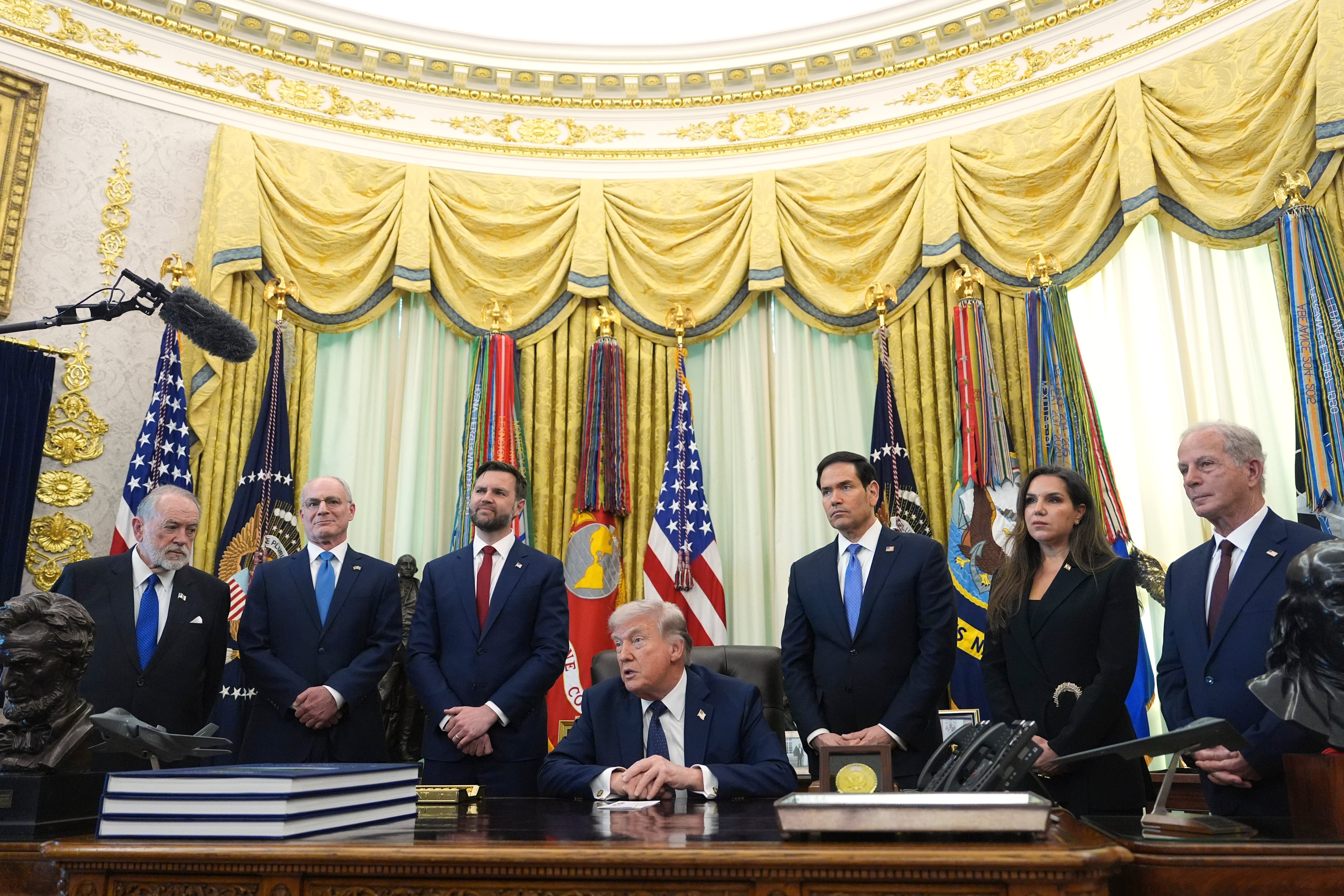
On Thursday, President Trump hosted officials from Israel and Lebanon for their second direct meeting in several decades. This meeting was a follow-up to an earlier discussion held on April 16, which resulted in a short ten-day ceasefire. During the latest talks, both countries agreed that the current pause in fighting should last for an additional three weeks. This agreement was reached despite a very difficult environment, as military actions were reported just hours before and even during the meeting at the White House.
Important Numbers and Facts
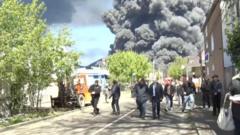
The new agreement extends the ceasefire by 21 days. This follows the initial 10-day truce that began earlier in April. On the day of the announcement, Israeli military actions resulted in the deaths of three people in southern Lebanon. Simultaneously, the group Hezbollah launched several attacks targeting northern parts of Israel. It is important to note that Hezbollah is not a formal part of these government-to-government negotiations, which makes the enforcement of the ceasefire much more difficult for the Lebanese state.
Background and Context
The conflict between Israel and Lebanon has lasted for many years, involving deep-seated political and territorial disputes. Direct meetings between the two governments are extremely rare, making these recent White House sessions historically significant. The United States has taken a leading role in trying to bring both sides to the table to prevent a larger regional crisis. The first major breakthrough happened on April 16, 2026, when the first short-term ceasefire was established. This latest three-week extension is an attempt to build on that small success and turn a temporary pause into something more lasting.
Public or Industry Reaction
The reaction to the extension has been a mix of relief and doubt. International leaders have praised the effort to keep the peace, noting that any day without full-scale war is a victory for the region. However, many people living in the border towns of both Israel and Lebanon remain skeptical. They have seen many ceasefires fail in the past and are worried that the fighting will start again as soon as the three weeks are over. Political experts point out that because Hezbollah is not participating in the talks, the Lebanese government may struggle to keep its side of the deal, leading to further frustration in Israel.
What This Means Going Forward
Moving forward, the next three weeks will be a critical test for both nations. If the ceasefire holds, it could lead to more serious discussions about a permanent border agreement and long-term security. The US government is expected to continue its role as a mediator, likely hosting more meetings to keep the dialogue open. The biggest risk is that a single large attack could break the truce and lead to a rapid escalation. Both sides will be watching the border closely to see if the other follows the rules of the agreement. The success of this period will depend on whether the official governments can control the armed groups operating within their territories.
Final Take
This three-week extension is a vital tool for diplomacy, but it is not a final solution to the conflict. While it provides a necessary break from the violence, the underlying problems between Israel and Lebanon remain unsolved. The presence of groups not bound by the agreement makes the peace very fragile. For now, the world is watching to see if these twenty-one days can be used to build a foundation for a more stable future in the Middle East.
Frequently Asked Questions
How long is the new ceasefire?
The new agreement extends the current ceasefire for an additional three weeks, or twenty-one days.
Who mediated the agreement?
The agreement was mediated by the United States, with President Donald Trump hosting the meetings at the White House.
Is Hezbollah part of the peace deal?
No, Hezbollah is not a state actor and is not participating in the direct negotiations between the governments of Israel and Lebanon.