Summary
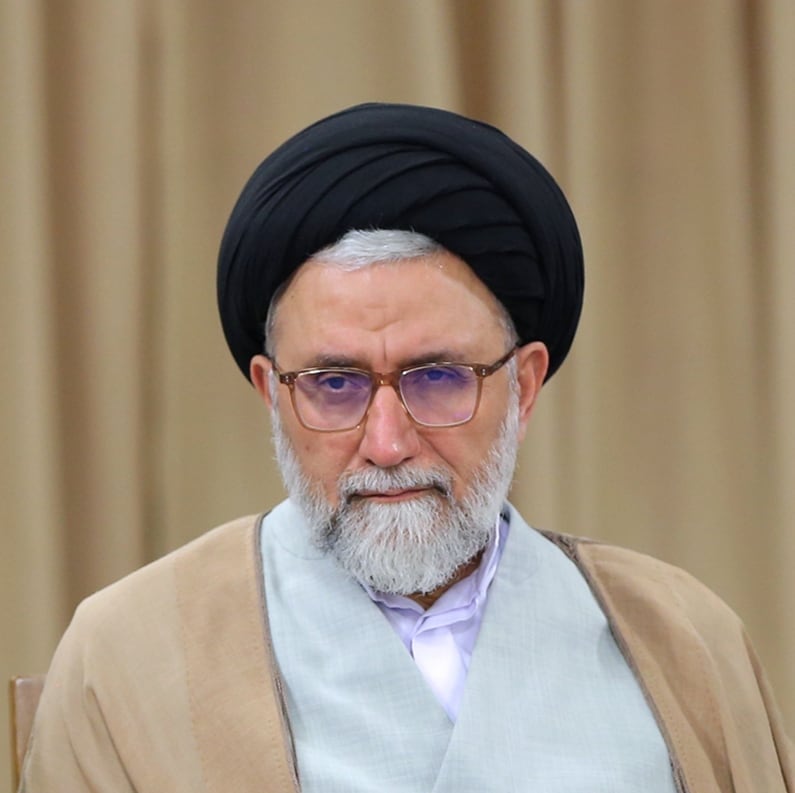
Israel has announced a major strike against the Iranian government, claiming to have killed the country’s Intelligence Minister, Esmail Khatib. This news comes during a night of heavy fighting that saw missiles and drones flying across several borders in the Middle East. While Israel celebrates this as a win against Iran’s leadership, the region is facing more violence, with deaths reported in both Lebanon and Israel. The conflict is now spreading to involve neighboring countries and international groups like NATO.
Main Impact
The reported death of Esmail Khatib is a massive blow to the Iranian government. As the head of intelligence, he was responsible for the country’s internal security and its secret operations abroad. If his death is confirmed, it shows that Israel can reach the very top of Iran’s power structure. This event has caused an immediate increase in fighting, with Iran and its allies launching new attacks in response. The situation is no longer just a local fight; it is turning into a much larger war that affects the entire region and the global community.
Key Details
What Happened
On Wednesday, Israeli Defense Minister Israel Katz stated that their forces killed Esmail Khatib during an overnight operation. At the same time, the Israeli military continued its air strikes in Lebanon. These strikes targeted Beirut and killed at least 10 people. Israel says these attacks are meant to stop Hezbollah, a group in Lebanon that is supported by Iran. In return, Iran fired a large number of missiles at the city of Tel Aviv. These missiles killed at least two people, adding to the growing number of victims in this conflict.
Important Numbers and Facts
The violence has led to a rising death toll on all sides. In Israel, 14 people have died since this specific wave of fighting began on February 28. The latest missile strike on Tel Aviv was one of the most serious attacks on the city in recent weeks. In Lebanon, the 10 deaths in Beirut show how quickly the war is moving into crowded city areas. Additionally, the conflict is moving into the water and air of the Persian Gulf. Countries like the United Arab Emirates, Qatar, Bahrain, and Saudi Arabia have all reported being hit by bombs or seeing military action near their borders.
Background and Context
This war did not start overnight. Tensions have been rising for a long time, but things became much worse at the end of February. The latest round of revenge started after Israel killed two other high-ranking Iranian figures earlier this week: Ali Larijani and Gholamreza Soleimani. Larijani was a very important political figure, and Soleimani was the leader of the Basij, a large paramilitary group in Iran. Iran promised to hit back hard for those deaths, which led to the missile strikes on Tel Aviv. This cycle of "one side hits, then the other side hits back" is what is driving the current crisis.
Public or Industry Reaction
The international community is watching with great worry. The United States is directly involved because its embassy in Baghdad, Iraq, has been attacked by drones. In response to the growing danger, NATO is taking steps to protect its members. The Turkish Ministry of Defense confirmed that NATO is moving a Patriot missile defense system to southern Turkey. This system is designed to shoot down incoming missiles before they can hit the ground. Other countries in the Gulf are calling for an end to the violence, as they fear the war will destroy their economies and safety.
What This Means Going Forward
The next few days will be very dangerous. Everyone is waiting to see if Iran officially confirms the death of its Intelligence Minister. If they do, they will likely launch an even larger attack against Israel. There is also a risk that the United States could become more active in the fighting if its buildings and people in Iraq continue to be targeted. The deployment of NATO missiles in Turkey shows that the West is preparing for the possibility of a much wider war. For now, there are no signs of peace talks, and both sides seem ready to keep fighting.
Final Take
The Middle East is currently in a state of high alarm. The loss of top leaders and the constant missile fire across borders have created a situation that is hard to control. As more countries get pulled into the fight, the hope for a quick solution is fading. The world is now watching to see if leaders can find a way to stop the violence before it turns into a total regional war.
Frequently Asked Questions
Who was Esmail Khatib?
Esmail Khatib was the Minister of Intelligence for Iran. He was in charge of the country's secret service and played a major role in national security and government decisions.
Why is NATO involved in this situation?
NATO is involved to protect its member countries, specifically Turkey. They are sending Patriot missile systems to help Turkey defend itself from any missiles that might fly over its borders during the conflict.
What started this latest round of fighting?
While the conflict has deep roots, the current violence grew worse after the deaths of Iranian leaders Ali Larijani and Gholamreza Soleimani on Monday, followed by Iran's missile attacks on Tel Aviv.