Summary
A new 10-day truce has begun between Israel and Hezbollah in Lebanon, starting on April 17, 2026. While the fighting has slowed down, Israel’s government has announced that its military will not leave the Lebanese lands it currently holds. Furthermore, Israeli officials stated they will continue to destroy houses in border villages during this break in fighting. This situation has created a difficult environment for thousands of displaced people who are trying to return to their homes despite the ongoing danger.
Main Impact
The most significant impact of this truce is the mixed message it sends to the region. On one hand, the pause in major combat has allowed Iran to fully reopen the Strait of Hormuz, which is a vital route for global oil and trade. On the other hand, the peace is very fragile. Israel’s Defense Minister, Israel Katz, made it clear that the military presence in southern Lebanon will remain. The decision to continue demolishing buildings during a ceasefire is unusual and suggests that Israel is focused on creating a permanent buffer zone along the border.
Key Details
What Happened
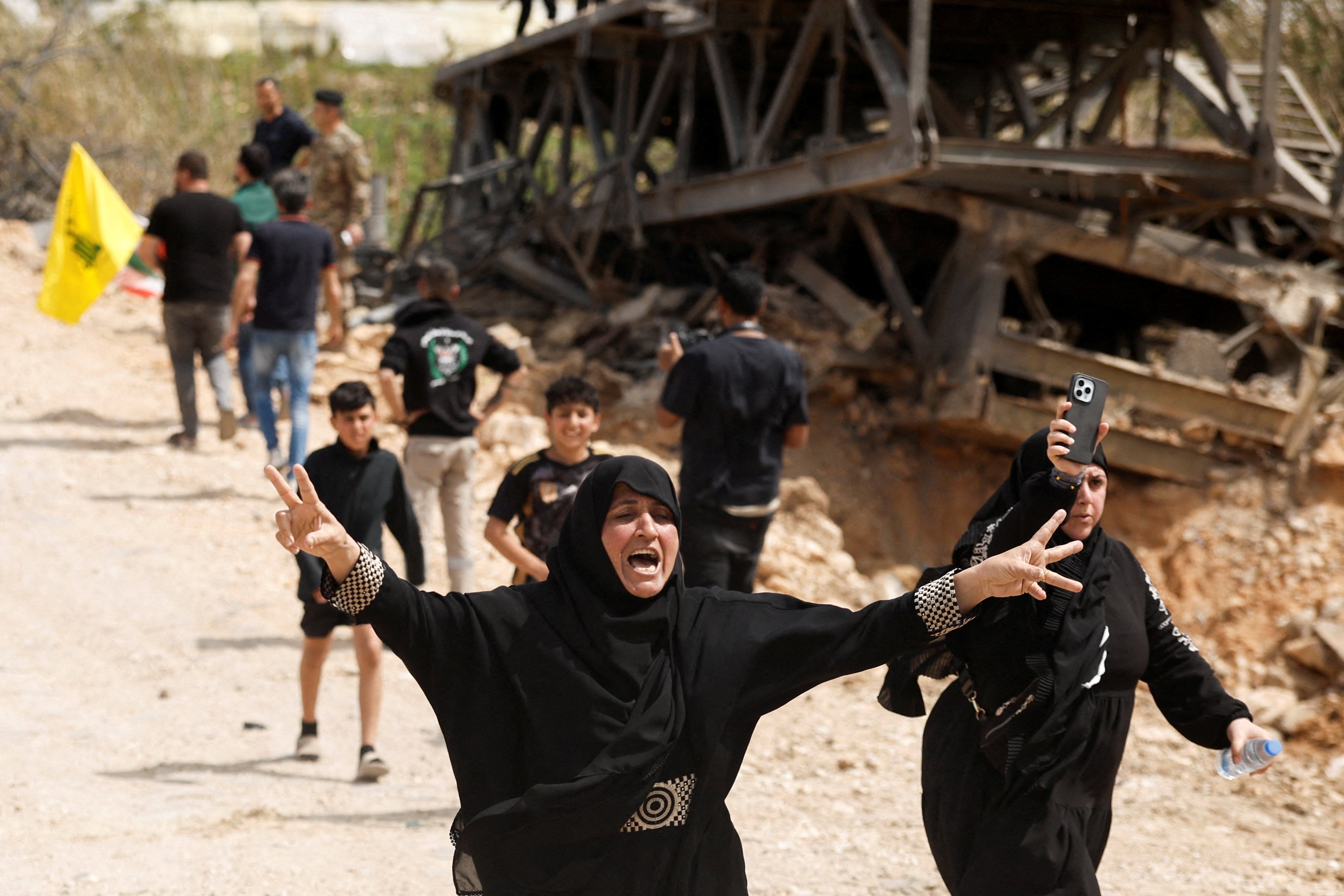
The ceasefire officially started at midnight. In the early hours, the situation was mostly quiet, but some violent acts were reported. The Lebanese army accused Israel of breaking the agreement by attacking an ambulance in the town of Kounine. In response, Hezbollah claimed it targeted Israeli soldiers. Despite these clashes, thousands of Lebanese citizens began driving back toward the south. They are eager to check on their property and families, even though their own leaders have told them it might not be safe yet.
Important Numbers and Facts
The current truce is scheduled to last for 10 days. This short window is meant to test whether a longer peace deal is possible. During this time, Israeli troops are occupying several areas inside the Lebanese border. The reopening of the Strait of Hormuz is also a major data point, as it affects energy prices worldwide. The Lebanese government and Hezbollah have both issued public warnings, asking people to be careful and wait for further instructions before entering areas where Israeli troops are still stationed.
Background and Context
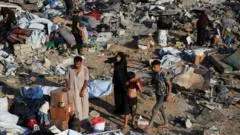
This conflict has been going on for a long time, causing many people to flee their homes. Southern Lebanon has seen heavy fighting, with many villages suffering severe damage. The goal of the Israeli military has been to push Hezbollah forces away from the border to protect towns in northern Israel. However, this has resulted in a massive humanitarian crisis in Lebanon. A truce is usually a time for people to find safety and for aid to arrive, but the plan to keep occupying land and destroying homes makes this specific truce different from others in the past.
Public or Industry Reaction
The reaction to the truce has been a mix of relief and fear. Global markets reacted positively to the news about the Strait of Hormuz, as a more open trade route usually means more stable oil prices. However, inside Lebanon, there is a lot of confusion. Many families feel they cannot wait 10 days to see if their homes are still standing. Meanwhile, political experts are concerned that Israel’s stance on keeping the land will make it impossible to reach a permanent peace agreement. Hezbollah has signaled that it will watch Israel’s moves closely and react if they feel the truce is being used as a cover for more land grabs.
What This Means Going Forward
The next 10 days will be a critical test for the Middle East. If the truce holds despite the small clashes, there might be a chance to talk about a longer stop to the war. However, if Israel continues to destroy homes in the border areas, it could lead to a new wave of anger and fighting. The biggest risk is for the civilians caught in the middle. If they return to areas that are still being cleared by the military, more people could be hurt. The world will also be watching to see if the Strait of Hormuz stays open, as this affects the economy of many different countries.
Final Take
While any pause in violence is a good sign, this truce is far from a total peace. The fact that troops are staying in place and houses are still being torn down shows that the underlying problems have not been solved. For the people of Lebanon, the road home remains blocked by uncertainty and the presence of a foreign military. The coming days will show if this is a true step toward safety or just a short break before more conflict begins.
Frequently Asked Questions
How long will the truce between Israel and Hezbollah last?
The current agreement is set for a 10-day period, which began on April 17, 2026. It is a temporary pause to see if a more permanent solution can be found.
Why is Israel still destroying houses during the ceasefire?
Israel’s Defense Minister stated that the military will continue to clear buildings in border towns. This is likely part of a strategy to prevent Hezbollah from using those locations for future attacks.
Is it safe for displaced people to return to southern Lebanon?
The Lebanese government and Hezbollah have warned people to be very careful. Because Israeli troops are still occupying many areas and some military actions are still happening, it is currently considered risky to return.