Summary
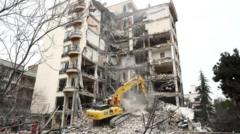
The ongoing conflict involving Iran and the United States has reached a turning point that changes the rules of modern warfare. For decades, international conflicts followed certain unwritten rules to avoid total economic collapse. However, recent threats against energy infrastructure and retaliatory strikes in the Gulf show that these old boundaries no longer exist. This shift creates a more dangerous world where the global economy is directly in the line of fire.
Main Impact
The most significant impact of this change is the direct threat to the world’s energy supply. In previous decades, nations usually avoided attacking oil and gas facilities to prevent a global financial crisis. Now, these assets have become primary targets. This change has caused immediate instability in energy markets and has forced neighboring countries to reconsider their own security. The safety of the entire Gulf region is now at risk as traditional military limits are ignored.
Key Details
What Happened
The situation escalated when the United States began making direct threats against Iran’s energy production sites. Instead of sticking to traditional military targets, the focus shifted toward the economic heart of the nation. Iran responded by targeting energy infrastructure in neighboring Gulf countries. This back-and-forth cycle shows that both sides are willing to use the global economy as a tool for war. The conflict is no longer just about two militaries fighting; it is about who can cause the most financial damage to the other and their allies.
Important Numbers and Facts
The Gulf region is responsible for a large portion of the world's daily oil supply. Even a small disruption in this area can cause fuel prices to rise significantly across the globe. Recent reports show that shipping insurance costs for tankers in the region have climbed as the risk of attacks increases. Furthermore, the use of low-cost drones and missiles has made it easier for nations to strike expensive infrastructure without needing a massive air force. This makes energy sites "soft targets" that are difficult and expensive to defend 24 hours a day.
Background and Context
To understand why this matters, we have to look at how wars used to be fought. In the past, "norms" or standard behaviors kept conflicts from spreading too far. One of these norms was the protection of civilian and economic infrastructure that the rest of the world depends on. By keeping oil flowing, countries ensured that a local war did not turn into a global depression. However, as political tensions have grown, these rules have been pushed aside. The current situation shows that nations are now more interested in winning at any cost, even if it means hurting the global community.
Public or Industry Reaction
Energy experts and world leaders have expressed deep concern over these developments. Market analysts warn that the "risk premium" on oil—the extra cost added because of potential supply problems—is becoming a permanent part of fuel prices. Neighboring countries in the Gulf are also worried. Many of these nations have spent years building their economies on energy exports. They now find themselves caught in the middle of a fight they did not start, facing physical damage to their facilities and a loss of investor confidence.
What This Means Going Forward
The breakdown of these international norms means that future conflicts will likely be more unpredictable. We can expect to see more attacks on "non-military" targets like power grids, water plants, and fuel pipelines. This strategy is often called asymmetric warfare, where a smaller force uses cheap technology to cause massive damage to a larger economy. Moving forward, countries will need to spend much more on protecting their vital services. The cost of living for people everywhere could rise as the world adjusts to this more aggressive and unstable way of handling international disputes.
Final Take
The world has entered a new era where the old rules of war no longer apply. By targeting energy infrastructure, nations are showing that they are willing to risk global stability to achieve their goals. This change makes every country more vulnerable to the economic side effects of distant conflicts. Security is no longer just about protecting borders; it is now about protecting the systems that keep the modern world running.
Frequently Asked Questions
Why are energy sites being targeted now?
Energy sites are being targeted because they are the economic lifeblood of a nation. Attacking them causes immediate financial pain and forces an opponent to react, making it a powerful tool in modern conflict.
How does this affect the average person?
When energy infrastructure is threatened, oil and gas prices usually go up. This leads to higher costs for transportation, heating, and goods, which can cause inflation and make everyday life more expensive for everyone.
What are "international norms" in war?
International norms are unwritten rules or agreements that countries usually follow during a conflict. They are meant to limit the damage of war and protect things like food supplies, hospitals, and global trade routes.