Summary
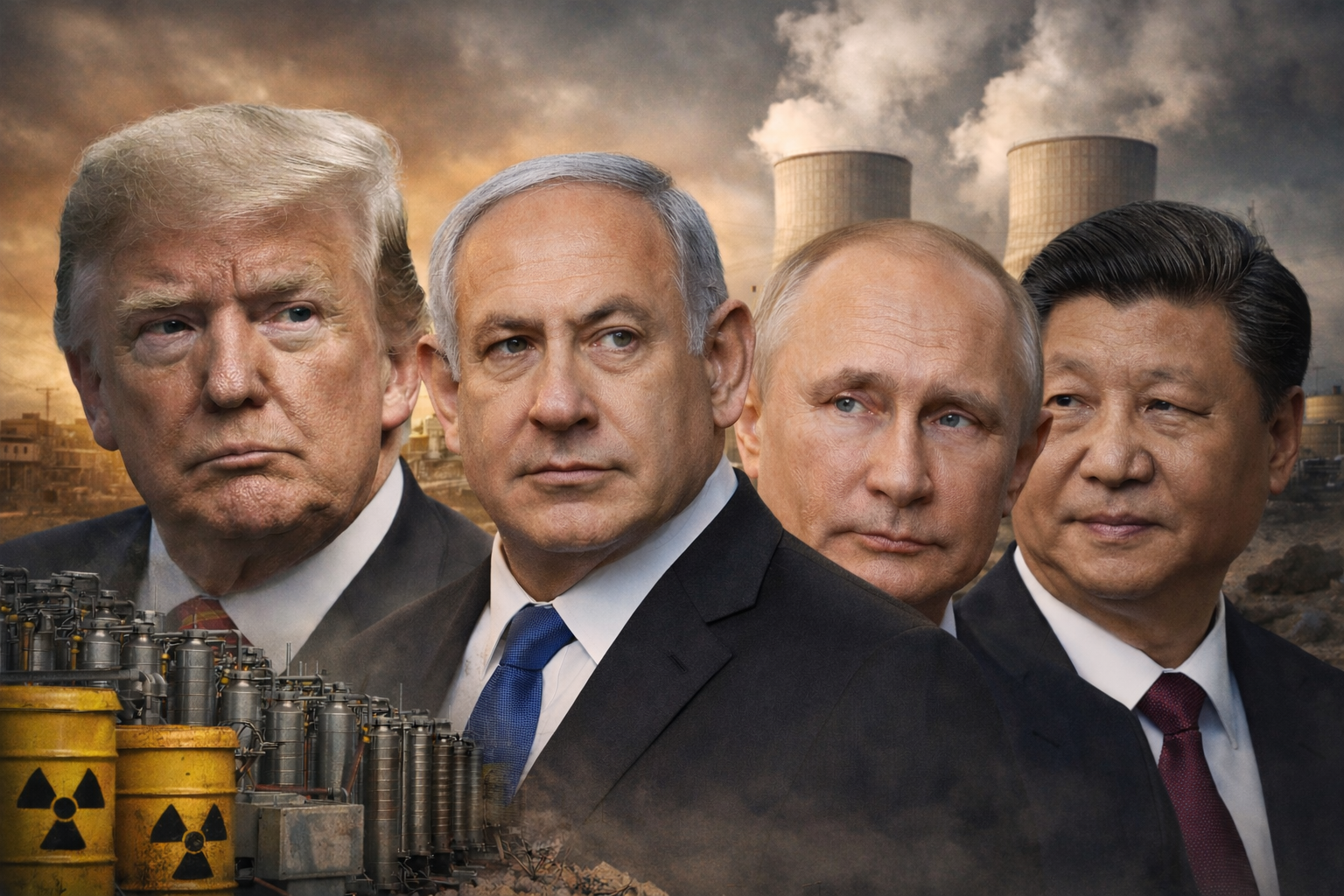
Iran’s stockpile of enriched uranium has become a major point of tension between the world’s most powerful countries. The United States, China, and Russia are all closely watching how much of this material Iran has and where it goes. While the U.S. has suggested that a deal might be in the works to move the uranium out of Iran, officials in Tehran have stated they have no plans to hand it over. This disagreement is a key part of a larger struggle over nuclear safety and international influence.
Main Impact
The control of Iran’s uranium affects global security and the balance of power in the Middle East. If Iran keeps a large amount of highly enriched uranium, other countries fear it could be used to create a nuclear weapon. This has led to a high-stakes competition where the U.S. wants to limit Iran’s capabilities, while Russia and China seek to maintain their own roles as mediators or partners. The outcome of this dispute will decide whether international nuclear rules are followed or if a new period of tension begins.
Key Details
What Happened
Recently, reports surfaced suggesting that the United States was working on an agreement to recover enriched uranium from Iran. Such a deal would involve moving the material to another country to ensure it is not used for military purposes. However, the Iranian government quickly responded to these claims. Tehran insists that its nuclear program is for peaceful goals, such as medicine and energy, and they have firmly stated that the material will stay within their borders. This back-and-forth shows that despite years of talks, the two sides are still far apart on a solution.
Important Numbers and Facts
To understand why this matters, it is helpful to look at the levels of uranium enrichment. Most nuclear power plants use uranium enriched to about 3% or 5%. However, Iran has been producing uranium enriched to 60%. While this is not yet the 90% needed for a nuclear bomb, experts say it is a very short technical step away. International inspectors have reported that Iran’s stockpile of this 60% material has grown significantly over the last year. The 2015 nuclear deal, which limited Iran to much lower levels, has mostly fallen apart since the U.S. left the agreement in 2018.
Background and Context
Uranium is a natural element found in the ground, but it must be processed, or "enriched," to be useful. In simple terms, enrichment increases the amount of a specific type of uranium that can create energy. Low-level enrichment is great for making electricity. High-level enrichment is dangerous because it can be used for explosives. For decades, the world has tried to stop Iran from reaching the point where it can make a weapon. In 2015, a major deal was signed where Iran agreed to ship most of its uranium to Russia in exchange for the lifting of economic sanctions. When that deal stopped working, Iran began building its stockpile again, leading to the current crisis.
Public or Industry Reaction
The international community is divided on how to handle the situation. The U.S. and its European allies have used sanctions to pressure Iran into giving up its uranium. They argue that Iran has no practical civilian need for uranium enriched to 60%. On the other hand, Russia and China have often called for a more balanced approach. They suggest that the U.S. should remove sanctions first to build trust. Meanwhile, the International Atomic Energy Agency (IAEA), which watches over nuclear activities, has expressed concern that it cannot fully track everything happening inside Iran’s facilities. This lack of clear information makes many world leaders nervous.
What This Means Going Forward
The next steps will likely involve more intense diplomatic talks. If the U.S. can convince Iran to move its uranium to a third country, like Russia or Oman, the risk of a sudden nuclear buildup would drop. However, if Iran continues to refuse, the U.S. may increase economic pressure. There is also the risk that other countries in the region might try to start their own nuclear programs if they feel threatened by Iran’s stockpile. For now, the world is waiting to see if a new agreement can be reached or if the stockpile will continue to grow, making a future deal even harder to achieve.
Final Take
The fight over Iran’s uranium is about more than just chemistry; it is about who sets the rules for the world. As long as the stockpile remains in Iran, it serves as a powerful tool for Tehran to use in negotiations. For the U.S., China, and Russia, the goal is to manage this risk without starting a new conflict. The situation remains a test of whether global powers can work together to prevent the spread of nuclear weapons in a very unstable part of the world.
Frequently Asked Questions
Why is 60% enriched uranium a problem?
While 60% is not yet weapons-grade, it is much higher than what is needed for normal power plants. It is considered a dangerous level because it can be converted to 90% weapons-grade material very quickly.
Why do Russia and China want to be involved?
Russia often acts as a storage site for Iran's extra uranium, which gives them influence in the talks. China wants to ensure the region stays stable so that oil supplies are not interrupted and to show its power as a global diplomat.
Can Iran use this uranium for peaceful things?
Iran says it uses the material for medical research and to create isotopes for treating cancer. However, many other countries argue that such high levels of enrichment are not necessary for those tasks.