
Summary
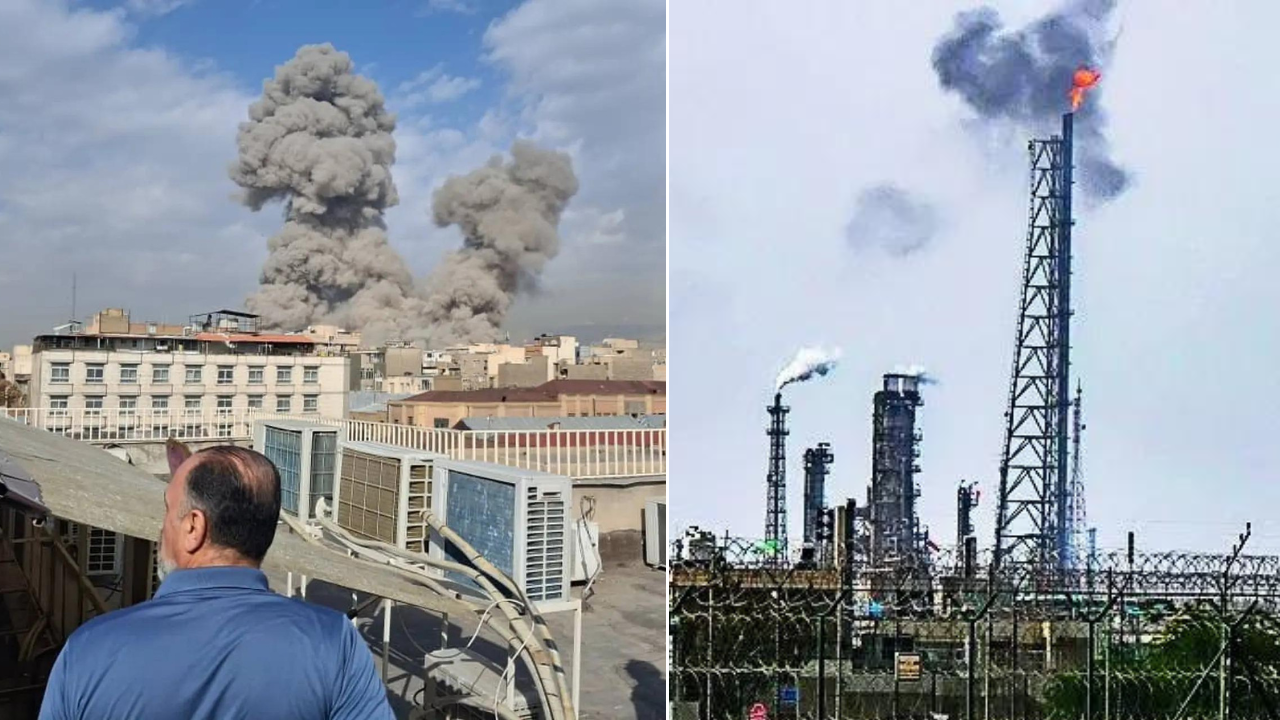
Iran has issued a direct and serious warning to the United States and its allies regarding the ongoing conflict in the Middle East. The Iranian government stated that if its own power plants or energy infrastructure are targeted, it will respond by attacking the facilities that provide electricity to U.S. military bases in the region. This "eye for an eye" approach signals a dangerous escalation in the tensions between Iran, Israel, and the United States. The warning highlights the growing risk of a wider war that could disrupt essential services for millions of people.
Main Impact
The primary impact of this threat is the potential for a massive disruption in regional stability. By specifically mentioning electricity, Iran is moving the conflict toward critical infrastructure that supports both civilian life and military operations. If these threats are carried out, U.S. military installations across the Middle East could lose the power needed for communication, radar systems, and daily logistics. This development forces U.S. military leaders to reconsider their defensive strategies and puts pressure on diplomatic efforts to prevent a full-scale energy war.
Key Details
What Happened
In a recent statement, Iranian officials made their position clear: any strike on their national power grid will be met with a mirrored response. The phrase "You hit electricity, we hit electricity" has become the central message of this warning. This comes after weeks of rising military actions involving Israel and various groups supported by Iran. Iranian leaders believe that by threatening the power supply of U.S. bases, they can create a deterrent that stops the U.S. or Israel from attacking Iranian energy sites.
Important Numbers and Facts
The United States maintains a significant military presence in the Middle East, with tens of thousands of troops stationed across several countries. Major bases in nations like Qatar, the United Arab Emirates, Kuwait, and Iraq rely heavily on local or dedicated power grids to function. Iran, on the other hand, has a vast but vulnerable energy network that powers its cities and industries. Analysts note that a coordinated attack on power plants could affect the lives of over 80 million people in Iran and thousands of American service members stationed nearby.
Background and Context
The tension between these nations is not new, but the focus on electricity marks a shift in tactics. For years, the conflict was fought through small skirmishes or cyberattacks. Recently, however, the scale of missile and drone attacks has increased. Israel has often suggested that hitting Iran’s economic and energy sectors is the best way to weaken its military capabilities. Because the U.S. provides significant military and intelligence support to Israel, Iran views U.S. bases as legitimate targets for retaliation. This situation is made more complex by the fact that many U.S. bases are located in third-party countries that do not want to be involved in a direct war.
Public or Industry Reaction
Global energy experts and military analysts have expressed deep concern over these statements. If power plants become primary targets, the cost of oil and energy could spike globally due to fears of instability. Within the Middle East, neighboring countries are worried about the environmental and humanitarian impact of strikes on energy infrastructure. Some political leaders are calling for immediate talks to set "red lines" that would protect civilian infrastructure from military strikes. Meanwhile, the U.S. Department of Defense has not issued a formal public response to this specific threat but continues to emphasize its commitment to defending its personnel and assets in the region.
What This Means Going Forward
Moving forward, the risk of a "tit-for-tat" cycle of destruction is very high. If one side decides to test the other's resolve, it could lead to a series of attacks that leave large parts of the region in the dark. The U.S. may need to increase its missile defense systems around power-related infrastructure. There is also the possibility that this threat will lead to more intense diplomatic pressure from the international community. Countries that host U.S. bases may also seek assurances that their own national grids will not be caught in the crossfire of a conflict between Washington and Tehran.
Final Take
The threat to target electricity infrastructure changes the nature of the current conflict. It moves the focus away from strictly military targets and places essential civilian services at risk. This strategy by Iran is designed to make the cost of an attack too high for the United States to ignore. As both sides continue to exchange warnings, the margin for error becomes smaller, and the need for a diplomatic solution becomes more urgent to avoid a regional blackout.
Frequently Asked Questions
Why is Iran threatening power plants?
Iran is using this threat as a deterrent. They want to prevent the U.S. and Israel from attacking their own energy infrastructure by promising to hit the power sources that U.S. military bases rely on.
How would an attack on electricity affect U.S. bases?
U.S. bases need electricity for everything from cooling and food storage to high-tech communication and defense systems. Losing power could make these bases less effective and more vulnerable to other types of attacks.
Is a full-scale war likely?
While the rhetoric is very strong, many experts believe both sides are trying to avoid a total war. However, the risk of an accidental escalation increases as both sides move closer to targeting critical national infrastructure.

