
Summary
Iran is currently facing a severe economic crisis that is threatening the stability of its government. Since the start of the war with the United States and Israel, the cost of living has spiked, with some prices rising by 40% in just six weeks. This financial pressure is making it difficult for the government to pay its employees and maintain control over the country. As infrastructure fails and the currency loses value, the economy has become the regime's biggest weakness.
Main Impact
The ongoing conflict has led to the destruction of essential facilities, including factories, power plants, and transportation links. These losses have caused widespread unemployment and a sharp drop in the value of the Iranian currency, the rial. As the government struggles to find funds to cover basic costs, the risk of internal unrest grows. This economic decay is now seen as a greater threat to the ruling authorities than the actual military strikes.
Key Details
What Happened
The war has moved beyond military targets to hit the core of Iran's industrial power. Bombing raids have taken out bridges, railways, and energy facilities, which has stopped the movement of goods and left many people without work. In response to the falling value of money, the central bank recently introduced a 10 million rial note. This is the largest bill the country has ever produced. It was released just one month after a 5 million rial note was put into circulation, showing how fast the currency is losing its worth.
Important Numbers and Facts
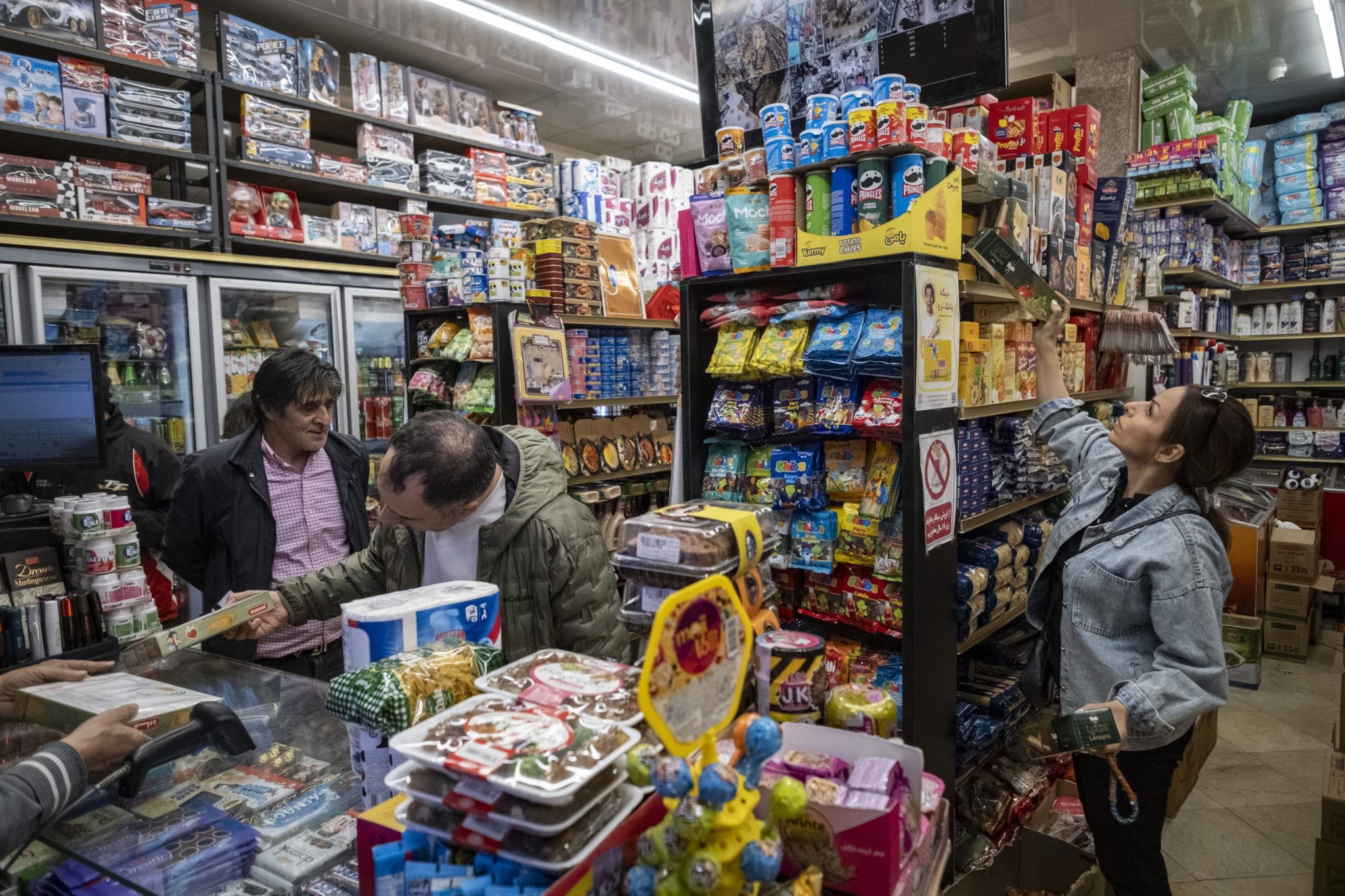
While official government reports claim prices rose by only 6% during the war, people living in cities like Tehran say the real increase is closer to 40%. Before the war even began, the situation was already bad. Food prices were rising at a rate of 105% per year by February. The rial has lost 8% of its value against the dollar in just a few weeks, which follows a massive 60% drop that happened last year. Additionally, the government is missing out on billions of dollars because it cannot reach a ceasefire deal to lift international sanctions.
Background and Context
Iran's economy was already in a very weak state before the current war. Years of international sanctions and government mismanagement had led to high inflation and a lack of jobs. In the past, these economic problems caused large protests across the country. The government usually stopped these protests with force. Now, with the added destruction of the war, the situation has reached a breaking point. The government is currently spending its remaining money on emergency repairs and helping people who have lost their homes, leaving very little left for anything else.
Public or Industry Reaction
Government insiders are reportedly very worried about the current state of affairs. They see the economy as the "Achilles heel" of the country, meaning it is the one spot where they are most likely to fail. Officials fear that if they cannot pay the salaries of soldiers and government workers, they will lose their ability to govern. People on the ground are also feeling the pressure, as basic goods become too expensive for the average family to afford. There is a growing fear that this economic pain will lead to new and more violent protests.
What This Means Going Forward
The situation could get even worse if a planned naval blockade of the Strait of Hormuz takes place. This blockade would stop Iran from exporting oil, which is its main source of income. Last year, oil exports were worth about $30 billion and made up a quarter of the government's total revenue. The military group known as the Islamic Revolutionary Guard Corps (IRGC) also relies on this oil money to fund its operations. Experts believe that if the regime cannot fix these financial problems or find a way to get more money, it may only survive for another one to three years. The combination of a young, unhappy population and a lack of money makes the government very unstable.
Final Take
While the war is being fought with missiles and bombs, the ultimate fate of the Iranian government may depend on its ability to feed its people and pay its bills. If the economy continues to fail and the government cannot make payroll, the regime faces a threat from its own citizens that it may not be able to stop. The coming months will be a major test of whether the country can survive this financial collapse.
Frequently Asked Questions
Why is the Iranian currency losing value?
The Iranian rial is losing value because of the war, international sanctions, and a lack of confidence in the economy. When a country is at war and cannot export its goods, its money becomes less valuable compared to other currencies like the U.S. dollar.
How much have prices increased in Iran?
While official data shows a smaller increase, residents in major cities report that prices for many items have jumped by about 40% since the war began six weeks ago. Food inflation had already reached over 100% earlier in the year.
What is the Strait of Hormuz blockade?
It is a plan to use naval ships to stop Iran from sending oil out of its ports. Since oil is Iran's biggest source of money, a blockade would cut off the funds the government needs to pay its workers and fund its military.



