
Summary
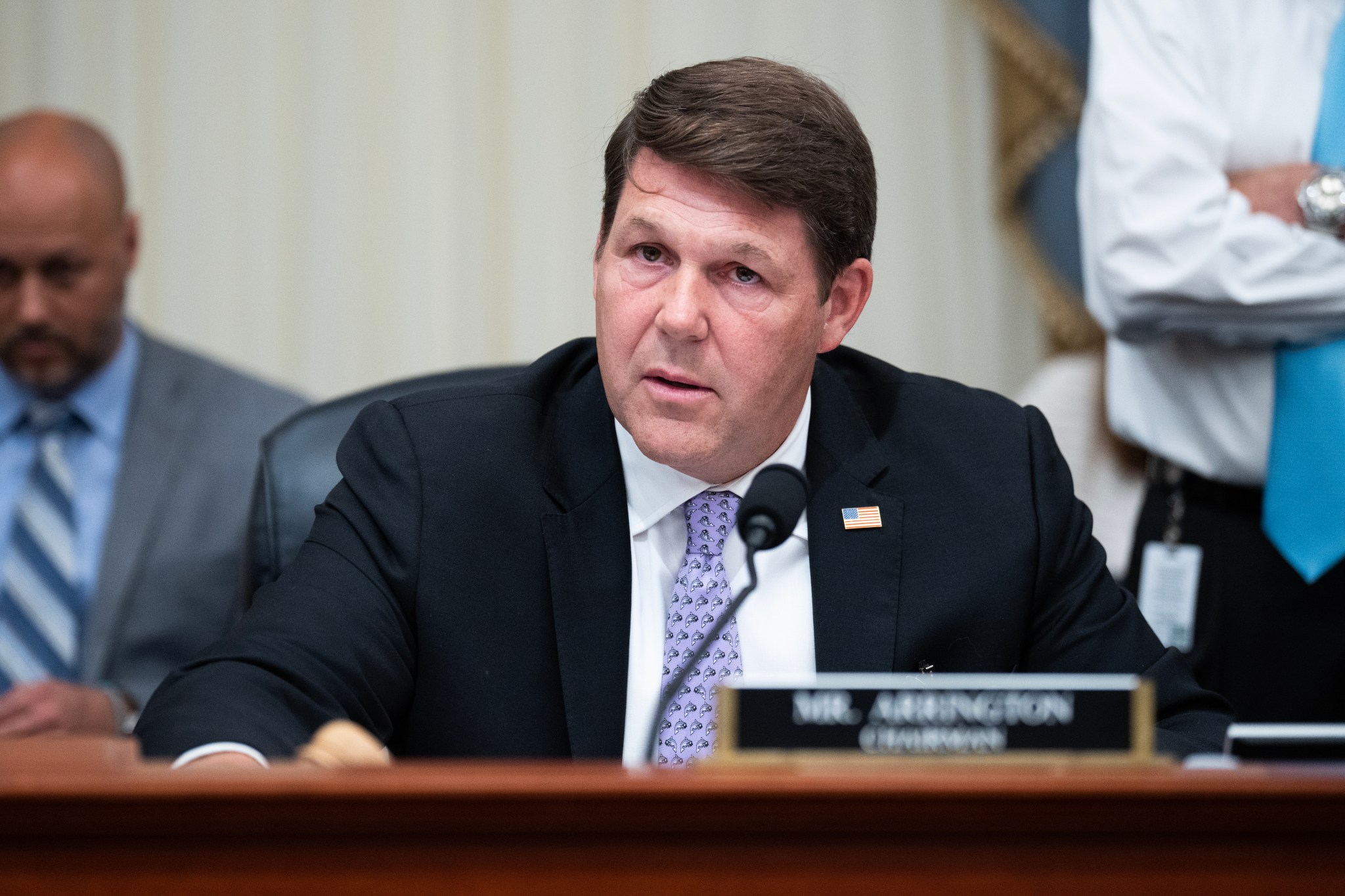
The United States government is currently struggling to balance its spending between national security and a growing debt crisis. House Budget Committee Chairman Jodey Arrington recently warned that the country must find a way to fund its safety programs while also fixing its financial problems. At the moment, parts of the Department of Homeland Security (DHS) remain closed because lawmakers cannot agree on a new budget. This situation has created a divide in Congress over how to manage the nation's money and its safety at the same time.
Main Impact
The biggest impact of this budget fight is the partial shutdown of the Department of Homeland Security. This department is responsible for protecting the country from many different types of threats. Because the funding has stopped, important operations like the Coast Guard and cybersecurity teams are facing major challenges. Chairman Arrington argues that leaving these agencies without money is dangerous because it makes the country more vulnerable to terrorist attacks and digital threats. The gridlock in Washington is now directly affecting the tools used to keep citizens safe.
Key Details
What Happened
During an interview with CNBC, Chairman Jodey Arrington explained that Congress is currently paralyzed. The government is already paying for large programs like Social Security and Medicare, but it also has high costs from military actions in places like Iran and Venezuela. To fix the current funding gap, Arrington suggested using a special voting process called reconciliation. This process would allow the government to pass a budget with a simple majority of 51 votes in the Senate, rather than the usual 60 votes. He believes this is the fastest way to get the Department of Homeland Security back to work.
Important Numbers and Facts
The U.S. national debt has reached a record high of $39 trillion. Some lawmakers have suggested that the government should try to keep its yearly deficit at 3% of the country's total economic output. However, Arrington believes this is not enough and wants even stricter rules. On the other side of the debate, Democrats are refusing to fund the DHS until changes are made to agencies like ICE and the Border Patrol. This refusal comes after the tragic deaths of Alex Pretti and Renee Good in Minneapolis, which sparked protests and demands for reform in how these agencies operate.
Background and Context
This budget crisis is happening during a very busy time for the U.S. military. The government has spent a lot of money on a short intervention in Venezuela and a much longer conflict involving Iran and Israel. These military costs are added to the "mandatory" spending that the government must pay every year, such as healthcare for the elderly and low-income families. Because the government is spending more than it takes in, the national debt continues to climb. This has led to a heated debate about whether the government should focus more on its military strength or on its financial health.
Public or Industry Reaction
The reaction to this crisis is split along political lines. Republicans, led by Arrington, are pushing for "fiscal discipline," which means spending less and being more careful with money. They want to find savings by stopping fraud in government programs. Meanwhile, many Democrats and members of the public are focused on civil rights and police reform. The protests following the shootings in Minneapolis have put a lot of pressure on lawmakers to change how border and immigration agencies are funded. This disagreement has made it almost impossible for the two sides to reach a deal on a full budget package.
What This Means Going Forward
If Congress cannot reach an agreement soon, the debt will continue to grow, and more government offices might have to close. Chairman Arrington has suggested a very bold move: a constitutional convention. Under Article V of the Constitution, the states could meet to create a new rule that forces the government to have a balanced budget. This would take the power away from Washington and give it to the states. In the short term, the government will likely try to use the reconciliation process to bypass the usual voting rules and get money to the DHS. However, this may only be a temporary fix for a much larger financial problem.
Final Take
The U.S. government is at a crossroads where it must decide how to protect its borders and its bank account at the same time. While national security is a top priority, a $39 trillion debt is a threat that cannot be ignored. Lawmakers will need to find a way to compromise, or the country may face even more shutdowns and financial instability in the near future. Balancing the budget while maintaining a strong military is the most difficult task facing leaders today.
Frequently Asked Questions
What is budget reconciliation?
Reconciliation is a special rule that allows the Senate to pass certain budget-related bills with only 51 votes instead of the 60 votes usually required. This makes it easier for the party in power to pass spending plans.
Why is the Department of Homeland Security partially closed?
The department is partially closed because Congress has not approved the money needed to run it. This is due to a disagreement between Republicans, who want to fund all security agencies, and Democrats, who want to reform or defund certain parts of the department first.
What is an Article V convention?
An Article V convention is a process where two-thirds of the state legislatures can call for a meeting to propose changes to the U.S. Constitution. In this case, it would be used to add a rule requiring a balanced national budget.



