Summary
A major conflict involving Iran creates a massive shift in global power and wealth. While war brings destruction to the region, the economic and political effects reach far beyond the Middle East. Russia, China, and the United States each face different risks and potential gains as the situation changes. This shift affects everything from the price of gasoline to the strength of national alliances across the globe.
Main Impact
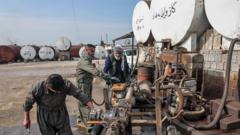
The primary impact of an Iran conflict is the immediate disruption of the global energy supply. Because Iran is located next to the Strait of Hormuz, any fighting in the area threatens the passage of oil tankers. This leads to a sharp rise in fuel prices, which acts as a tax on every country that buys oil. While this hurts consumers and manufacturing, it provides a massive financial boost to countries that export energy, changing the balance of financial power almost overnight.
Key Details
What Happened
The escalation of military tension has forced global powers to choose sides or protect their interests. The United States often finds itself leading military efforts or supporting allies in the region, which costs billions of dollars. Meanwhile, Russia and China look for ways to maintain their influence without getting directly pulled into the fighting. The conflict has moved from political threats to physical disruptions of trade routes and energy production facilities.
Important Numbers and Facts
The Strait of Hormuz is the most important oil chokepoint in the world. About 20% of the world's total oil consumption passes through this narrow waterway every day. If this path is blocked, experts predict that oil prices could quickly rise above $120 or even $150 per barrel. For a country like China, which imports over 10 million barrels of oil a day, even a small price increase results in hundreds of millions of dollars in extra costs every single day. On the other hand, Russia, as a major exporter, could see its national revenue grow by billions of dollars during such a crisis.
Background and Context
To understand why this matters, we have to look at how these three nations interact with Iran. The United States has viewed Iran as a rival for decades, focusing on stopping its nuclear program and limiting its influence in the Middle East. Russia has a more complicated relationship, often working with Iran on military and energy projects. China views Iran mainly as a source of energy and a key partner in its global trade plans. When war breaks out, these existing relationships determine who loses money and who gains strategic ground.
Public or Industry Reaction
Financial markets have reacted with high levels of worry. Stock markets in many countries have seen drops as investors fear that high energy costs will lead to inflation. Shipping companies have expressed deep concern about the safety of their vessels and crews, with many choosing to take much longer and more expensive routes around Africa to avoid the conflict zone. In the political world, some leaders are calling for immediate peace to save the global economy, while others see the chaos as a chance to push their own agendas while the world is distracted.
What This Means Going Forward
Moving forward, the United States faces the risk of being pulled into another long and expensive war. This could drain its resources and make it harder to focus on other parts of the world. Russia may find itself in a stronger position because the world will be desperate for its oil and gas, potentially giving it more leverage in other international disputes. China faces the most difficult economic path, as it must find a way to keep its factories running without the cheap energy it usually gets from the Middle East. This might force China to speed up its move toward green energy or find new partners in other regions.
Final Take
A war involving Iran is never just a local event. It is a global economic earthquake that creates clear winners and losers. While the human cost is the most tragic part of any war, the shift in oil wealth and military focus will define the next decade of international politics. The countries that can best manage their energy needs and avoid direct military costs will come out of this crisis with the most power.
Frequently Asked Questions
Why does a war in Iran make oil prices go up?
Iran is located next to the Strait of Hormuz, a narrow water path where a large portion of the world's oil is shipped. If fighting happens there, ships cannot pass safely, which reduces the global supply of oil and makes prices rise.
How does Russia benefit from this conflict?
Russia is a major seller of oil and gas. When a war in the Middle East reduces the supply from that region, the price of oil goes up everywhere. This allows Russia to sell its energy for much more money, increasing its national wealth.
Why is China considered a loser in this situation?
China buys more oil from the Middle East than almost any other country. High oil prices make it more expensive for China to produce goods and transport them, which hurts its economy and makes its products more expensive for the rest of the world.