Summary
The Indian Secular Front (ISF) has grown into a major political force in West Bengal, specifically in the Bhangar region. Since its creation in 2021, the party has challenged the dominance of the Trinamool Congress (TMC) and the Bharatiya Janata Party (BJP). By acting as a "third option," the ISF is changing how people vote in South Bengal. This shift is important because it breaks the usual two-party competition and gives a voice to groups that feel left out by the bigger parties.
Main Impact
The rise of the ISF has significantly changed the political environment in West Bengal. For a long time, the state was a battleground between the TMC and the BJP. However, the ISF has managed to carve out its own space by focusing on minority communities, tribal groups, and the poor. This has had a direct impact on the TMC, which has traditionally relied on these voters to stay in power. In areas like Bhangar, the ISF is no longer just a small group; it is a serious contender that can decide who wins or loses an election. This "wildcard" factor makes political outcomes much harder to predict than they were a few years ago.
Key Details
What Happened
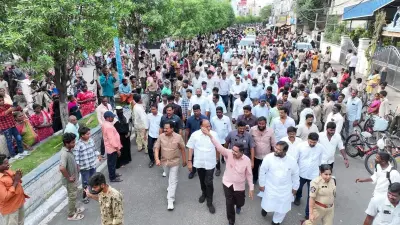
The Indian Secular Front was formed just before the 2021 West Bengal Assembly elections. It was started by Abbas Siddiqui, a religious leader from the Furfura Sharif shrine, which holds great influence over many voters in the state. While many expected the party to fade away after the election, it did the opposite. In Bhangar, the party found strong support among local residents who were unhappy with the local government. This led to the election of Naushad Siddiqui, who became the only candidate from his alliance to win a seat in the state assembly at that time. Since then, the party has been active on the ground, often engaging in protests and local movements to keep its support base strong.
Important Numbers and Facts
In the 2021 elections, Naushad Siddiqui won the Bhangar seat, marking a historic moment for a new party. Since then, the ISF has shown its strength in local village-level elections as well. In some parts of South Bengal, the party has seen its vote share grow, even as the TMC tries to win back those areas. Political experts note that in several districts, the ISF now holds enough influence to sway the results in at least 20 to 30 assembly seats. The party’s ability to organize large rallies with very little funding has surprised many veteran politicians in the state.
Background and Context
To understand why the ISF is so popular in Bhangar, one must look at the history of the area. Bhangar has often been a place of conflict over land and power. A few years ago, there were massive protests against a power grid project in the region. Many locals felt that the ruling TMC was not listening to their concerns about their land and livelihoods. The ISF stepped into this gap. They used simple language to talk about rights, dignity, and fair treatment. By focusing on these local issues rather than just big national topics, they built a loyal following. The party also benefits from the religious and social influence of the Siddiqui family, which has guided the community for generations.
Public or Industry Reaction
The reaction from other political parties has been sharp. The TMC often claims that the ISF is the "B-team" of the BJP. They argue that the ISF only exists to split the Muslim vote, which would naturally help the BJP win more seats. On the other hand, the BJP views the ISF as a sign of growing anger against the TMC. While the BJP does not agree with the ISF’s views, they benefit when the TMC’s core voters are divided. Local voters in Bhangar, however, seem to appreciate having a choice. Many residents say they feel more empowered because they no longer have to choose between only two major sides.
What This Means Going Forward
As West Bengal moves toward future elections, the ISF plans to expand its reach. They are no longer content with just being a local party in Bhangar. The party is trying to build alliances with other smaller groups and secular forces. The biggest challenge for the ISF will be to maintain its momentum without getting caught in the violent political clashes that often happen in the state. For the TMC, the goal will be to win back the trust of the voters in South Bengal. For the BJP, the rise of the ISF presents an opportunity to gain ground if the anti-TMC vote remains split. The next few years will show if the ISF can become a permanent fixture in the state's politics or if it will remain a regional force.
Final Take
The Indian Secular Front has proven that there is room for a third voice in West Bengal. By focusing on local grievances and specific community needs, they have turned Bhangar into a political stronghold. Their presence forces the bigger parties to work harder and listen more closely to the people. Whether they win more seats or not, the ISF has already succeeded in changing the conversation in South Bengal politics.
Frequently Asked Questions
What is the Indian Secular Front (ISF)?
The ISF is a political party in West Bengal formed in 2021. It focuses on representing the interests of minorities, tribal communities, and other marginalized groups.
Who is the leader of the ISF?
The party was founded by Abbas Siddiqui, but its most prominent elected leader is Naushad Siddiqui, who represents the Bhangar constituency.
Why is Bhangar important for the ISF?
Bhangar is where the ISF won its first major election victory. It is a region with a history of local activism, making it a strong base for a party that challenges the traditional political powers.