
Summary
The Indian Ministry of Defence has signed two significant contracts worth 975 crore rupees to upgrade its fleet of main battle tanks. These deals focus on providing advanced electronic equipment for the T-72 and T-90 tanks, which are the primary fighting vehicles of the Indian Army. By investing in these upgrades, the government aims to improve the combat power and technical capabilities of its armored units. This move is also a major step toward making the country more self-reliant in defense manufacturing.
Main Impact
The primary impact of these deals is the modernization of India’s land forces. The T-72 and T-90 tanks have served the army for many years, but modern warfare requires better digital tools and data handling. By installing new Automatic Data Management Systems, these tanks will become much more effective on the battlefield. This technology allows tank crews to share information faster and make better decisions during a conflict.
Furthermore, these contracts support the "Make in India" initiative. Instead of buying all spare parts and technology from foreign countries, the government is working with domestic companies. This helps create jobs within India and ensures that the army does not have to rely on outside help for maintenance and repairs in the future.
Key Details
What Happened
The Ministry of Defence finalized two separate agreements to buy critical gear for the army's armored wings. The focus of these agreements is the procurement of Automatic Data Management Systems (ADMS). These systems act like the "brain" of the tank, helping the crew manage various sensors, weapons, and communication tools from a single interface. This reduces the workload on the soldiers and increases the accuracy of the tank's weapons.
Important Numbers and Facts
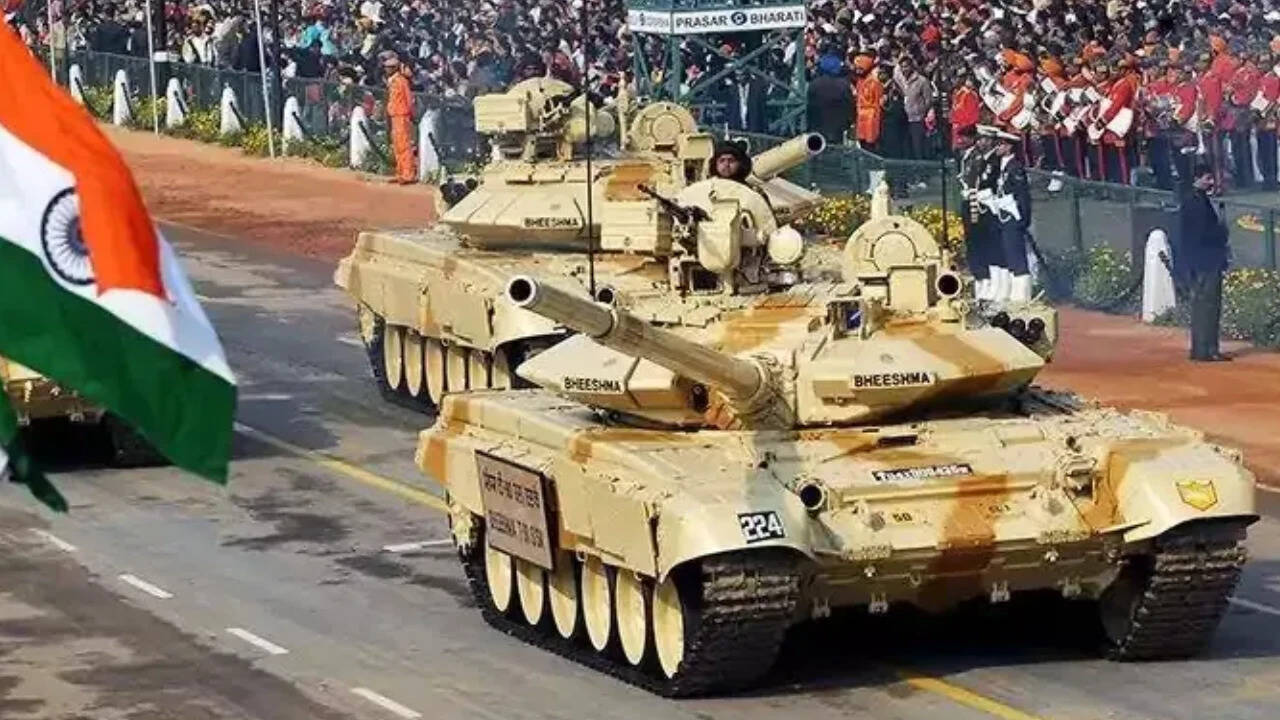
The total value of the two contracts is approximately 975 crore rupees. The equipment will be fitted onto hundreds of tanks currently in service. The T-90, known in India as the "Bhishma," and the T-72, known as the "Ajeya," are the two models receiving these upgrades. These tanks form the backbone of India’s strike corps, which are the units responsible for moving deep into enemy territory during a war.
Background and Context
To understand why this matters, it is important to look at the history of India's tank fleet. Most of India’s tanks are based on designs from Russia. While these tanks are physically strong and have powerful guns, their electronic systems can become outdated over time. In modern battles, having a big gun is not enough; you also need high-tech cameras, night vision, and data systems to see the enemy before they see you.
The T-72 tanks were first introduced several decades ago. While they have been upgraded before, they need constant attention to stay useful against modern threats. The T-90 is a newer and more advanced tank, but even it requires regular updates to its internal computers to keep up with global standards. These new deals ensure that both types of tanks remain dangerous to any opponent.
Public or Industry Reaction
The Indian defense industry has welcomed these contracts. Experts believe that giving such large orders to local firms helps build a strong ecosystem for military technology in India. In the past, India spent a lot of money buying these types of systems from countries like Russia, Israel, or France. Now, by developing and building these systems at home, the country saves money and keeps its military secrets more secure.
Military analysts have also noted that these upgrades are timely. With tensions often high along the borders, the army needs its equipment to be in top condition. Having better data management systems means that Indian tank commanders can coordinate with drones, helicopters, and other ground units more easily than ever before.
What This Means Going Forward
Looking ahead, the Indian Army will likely continue to phase out older parts of its fleet while upgrading the rest. These 975 crore rupee deals are just one part of a larger plan to modernize the entire military. We can expect more contracts like this in the coming years as the army looks for better thermal imaging, active protection systems, and even artificial intelligence for its vehicles.
The success of these upgrades will determine how long the T-72 and T-90 tanks can stay in service. If the new systems work well, these tanks could remain effective for another ten to twenty years. This gives the government more time to develop its own home-grown tank, the Arjun, or look into future light tank projects for high-altitude areas like Ladakh.
Final Take
This investment shows a clear commitment to keeping the Indian Army strong and modern. By spending 975 crore rupees on advanced electronics, the Ministry of Defence is ensuring that its soldiers have the best possible tools to defend the nation. It is a smart mix of maintaining existing hardware while adding the digital power needed for the future of warfare.
Frequently Asked Questions
Which tanks are being upgraded in this deal?
The upgrades are specifically for the T-72 (Ajeya) and the T-90 (Bhishma) main battle tanks used by the Indian Army.
What is an Automatic Data Management System?
It is an electronic system that helps the tank crew manage information from different sensors and weapons, making the tank more efficient and easier to operate in battle.
Why is the government spending 975 crore rupees on old tanks?
While the tank bodies are older, upgrading their "brains" and electronics is a cost-effective way to make them as powerful as modern tanks without having to buy entirely new vehicles.



