Summary
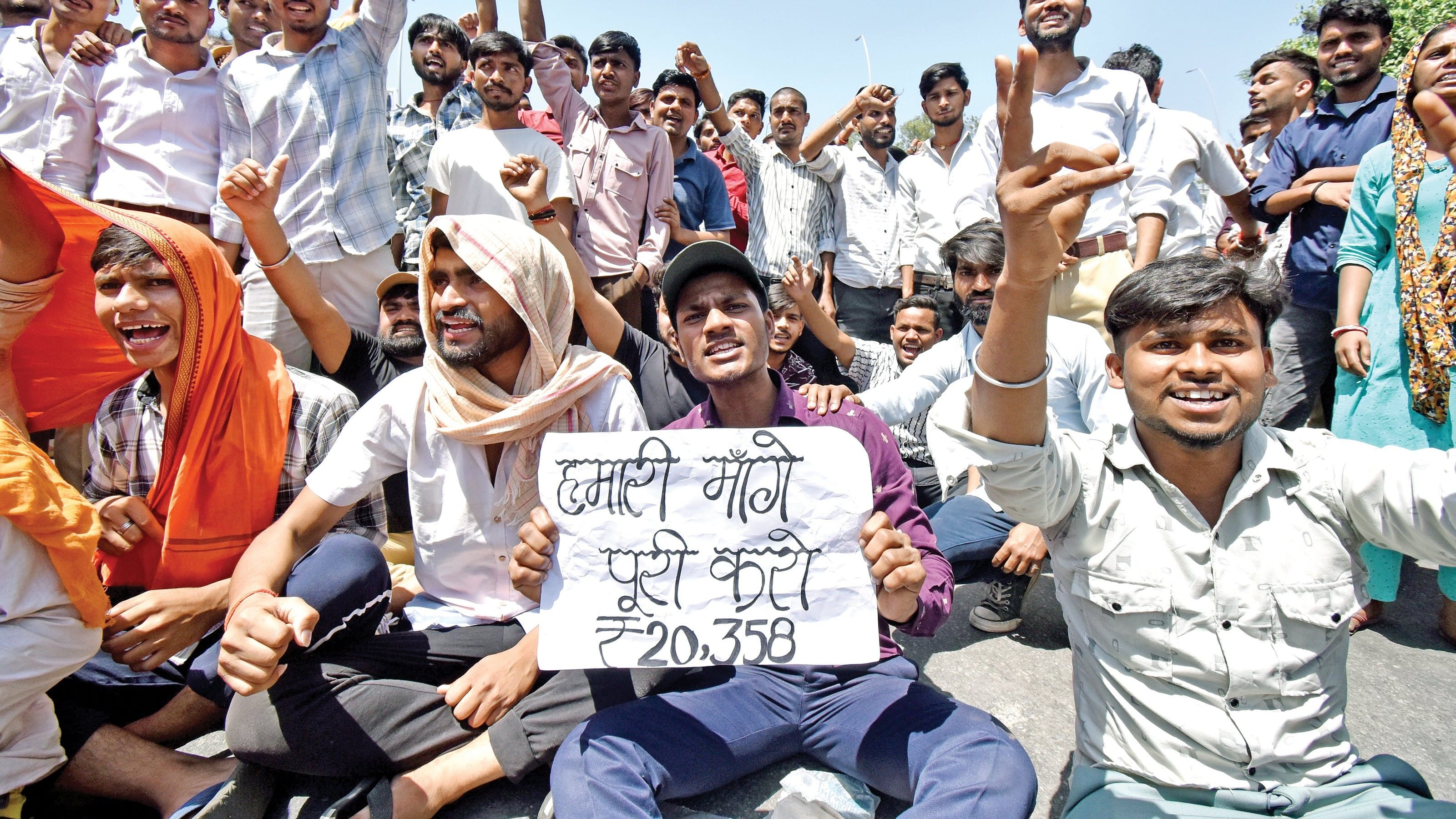
A massive wave of worker protests is spreading across India as millions of factory employees demand better pay and fair working hours. These protests are unique because they do not have official leaders or traditional unions guiding them. Instead, workers are using social media to organize and share their struggles. The movement started in early 2026 and has quickly moved from oil refineries to car factories and power plants.
Main Impact
The primary impact of these strikes is a major disruption in India's industrial hubs. Key sectors like energy, petroleum, and car manufacturing have seen work stop completely in several states. While some companies have agreed to raise wages to get people back to work, the government has responded with force in other areas. This has led to a tense standoff between the working class and authorities, with many workers choosing to leave industrial cities and return to their home villages.
Key Details
What Happened
The unrest began in February 2026 at an oil refinery in Bihar, where workers asked for fixed eight-hour shifts and basic insurance. The movement grew rapidly. By late February, 30,000 workers in Haryana went on strike, followed by thousands more in Gujarat. By March and April, the protests reached major industrial zones like Manesar and Noida. In some cases, like at factories in Manesar, the pressure worked, and management raised monthly salaries from Rs 11,000 to Rs 16,000. However, in other places, the protests turned violent after police used force to break up gatherings.
Important Numbers and Facts
The scale of the movement is shown through several key figures:
- 30,000: The number of contract workers who went on strike at a single refinery in Panipat.
- Rs 5,000: The wage increase won by some workers in Haryana, though many still demand more.
- 11 years: The time since wages were last properly updated in some regions, with the last major revision happening in 2015.
- Section 144: A legal order used by the government to ban groups of people from gathering in industrial areas.
- 94 percent: The portion of the Indian workforce that works in the informal sector without strong legal protections.
Background and Context
This situation did not happen overnight. For years, the cost of living in India has been rising while wages stayed the same. Workers point out that basic needs like petrol, cooking gas, and electricity have become much more expensive. For a worker earning Rs 12,000 a month, paying Rs 6,000 for rent and high prices for food and school fees makes survival nearly impossible. Many workers feel that the government’s new labor rules favor big companies over the people who do the actual work. These new rules make it easier for factories to avoid giving benefits like health insurance or retirement funds to their staff.
Public or Industry Reaction
The reaction has been split between the government and the workers. State governments in Haryana and Uttar Pradesh have tried to calm the situation by announcing small wage increases. However, they have also used the police to arrest activists and break up protests with sticks. Industry leaders and government officials claim that the economy is facing global challenges and that rising costs make it hard to pay more. On the other side, labor experts argue that workers are being pushed into a state of "near-slavery" because they have no power to negotiate for a fair share of the profits they help create.
What This Means Going Forward
The future of India's industrial sector looks uncertain. If the government and factory owners do not find a way to match wages with the rising cost of living, the unrest is likely to continue. The use of mobile phones and social media means workers can now organize faster than ever before, even without formal unions. There is also a risk that more workers will simply quit and go back to their home towns, leaving factories without the staff they need to run. The new labor laws will likely remain a major point of conflict as workers realize these rules offer them fewer protections than before.
Final Take
This movement is a wake-up call for the industrial sector. It shows that workers are no longer willing to accept low pay while the cost of basic survival climbs. While the government has tried to stop the protests with both small raises and police action, the root cause—a lack of fair pay and job security—remains. Until workers feel they can afford a basic life for their families, the peace in India’s factory zones will remain fragile.
Frequently Asked Questions
Why are the workers protesting?
Workers are demanding higher wages, fixed eight-hour workdays, and basic benefits like health insurance. They say their current pay is not enough to cover the rising costs of food, rent, and fuel.
How are these protests different from past ones?
These protests are spontaneous and do not have official leaders or unions. Workers are using social media and mobile phone videos to inspire each other and coordinate strikes across different states.
What has the government done to stop the strikes?
The government has taken two paths: they have announced small increases in minimum wages and used police force, including arrests and bans on public gatherings, to stop the protests from spreading.