
Summary
Tuberculosis, commonly known as TB, remains the deadliest infectious disease in India. Even with modern medicine, it claims more lives across the country than any other similar illness. However, recent data shows that a massive push for community-wide testing is finally producing positive results. By finding cases earlier, health officials are managing to slow the spread and start treatment for patients before their condition becomes critical.
Main Impact
The biggest change in India’s fight against TB is the move toward active case finding. In the past, the healthcare system waited for sick people to visit a doctor when they felt unwell. Now, the government is sending health workers directly into communities to find people who might be sick but do not know it yet. This proactive approach is catching the disease in its early stages, which makes it much easier to cure and prevents the bacteria from spreading to family members and neighbors.
Key Details
What Happened
India has significantly increased its use of advanced diagnostic tools. Instead of relying only on old-fashioned microscope tests, the country has rolled out thousands of molecular testing machines. These machines are much more accurate and can tell if a person has a drug-resistant form of the disease within hours. Additionally, mobile health vans equipped with X-ray machines are now traveling to remote villages and crowded urban slums to provide free screenings on the spot.
Important Numbers and Facts
India carries the highest burden of TB in the world, accounting for more than a quarter of all global cases. Every year, over 2.5 million people in India are diagnosed with the disease. While the government set an ambitious goal to eliminate TB by 2025, the current data from 2026 shows that while the disease is still present, the number of deaths is steadily declining. More than 1.5 million "Ni-kshay Mitras" or community volunteers have also stepped forward to provide nutritional support to patients, showing a massive social effort to tackle the problem.
Background and Context
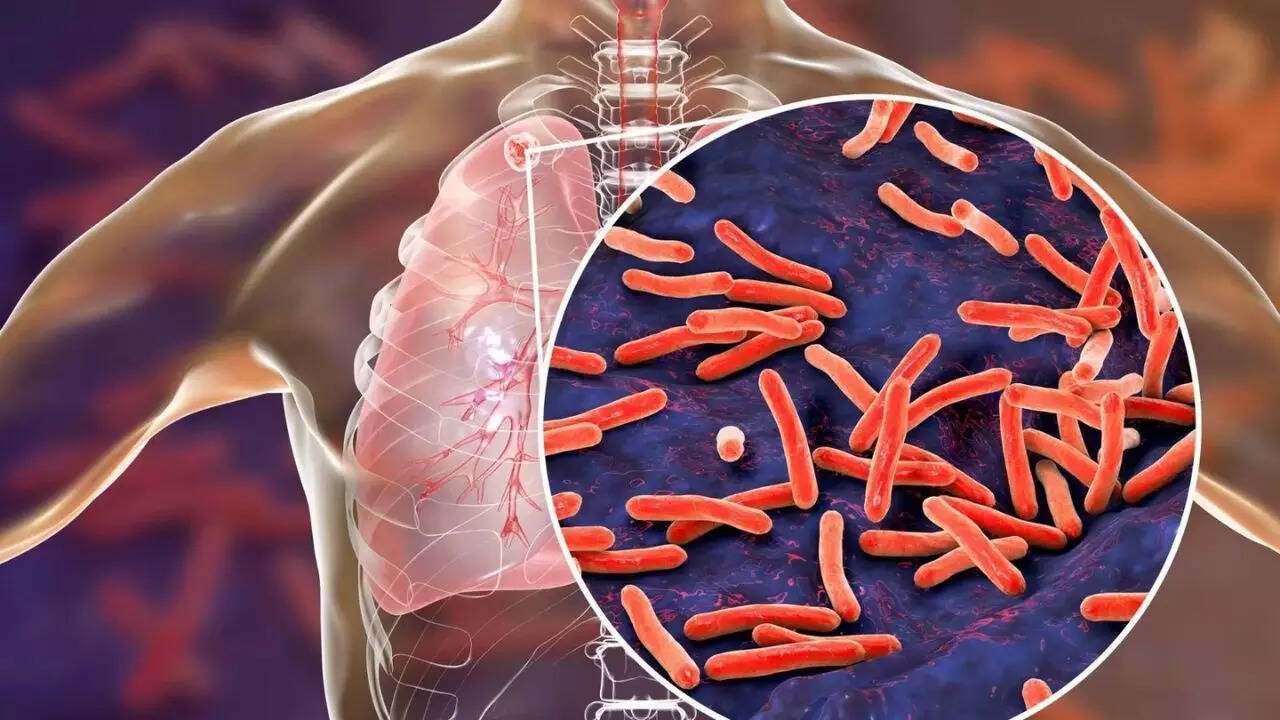
Tuberculosis is a disease caused by bacteria that usually attacks the lungs. It spreads through the air when an infected person coughs, sneezes, or speaks. While it is a curable disease, it has remained a major problem in India due to several factors. High population density in cities makes it easy for the bacteria to jump from person to person. Furthermore, many people suffer from malnutrition, which weakens their immune systems and makes them more likely to get sick if they breathe in the bacteria.
For a long time, there was also a social stigma attached to TB. People were afraid to admit they were sick because they feared being treated differently by their community. The current mass screening programs are helping to break this stigma by making testing a normal part of public health, similar to checking blood pressure or sugar levels.
Public or Industry Reaction
Health experts and doctors have welcomed the shift toward mass screening. They believe that using technology like Artificial Intelligence (AI) to read chest X-rays has made the process much faster. However, some health advocates point out that the cost of medicine and the long duration of treatment—which can last from six months to two years—still make it hard for the poorest patients to finish their recovery. There is a strong call from the medical community to keep providing free high-quality food to patients, as medicine works much better when the patient is well-fed.
What This Means Going Forward
The focus is now shifting toward preventing the disease before it even starts. This involves testing the family members of TB patients and giving them "preventive therapy" so they do not get sick. There is also ongoing research into new vaccines that could provide better protection than the current BCG vaccine, which is mostly effective only for children. The government plans to continue the mass screening camps until every household in high-risk areas has been reached. The goal is to turn TB from a national crisis into a manageable health issue that no longer causes large numbers of deaths.
Final Take
India is proving that a combination of modern technology and community participation can change the course of a deadly epidemic. While TB is still a major threat, the success of recent screening efforts offers a clear path toward a healthier future. The focus must remain on finding every single case and supporting every patient until they are fully cured.
Frequently Asked Questions
Why is TB still such a big problem in India?
TB spreads easily in crowded areas and affects people with weak immune systems. Many people also wait too long to see a doctor, which allows the disease to spread to others before treatment starts.
How does mass screening help?
Mass screening finds people with TB before they even show serious symptoms. This allows them to start medicine early, which saves their lives and stops them from passing the bacteria to other people.
Is TB treatment free in India?
Yes, the Indian government provides free testing and medicine to TB patients through public health centers. There are also programs that give patients monthly money or food baskets to help them stay healthy during treatment.



