Summary
India has officially raised a strong protest with Iran following a dangerous encounter at sea. On Saturday, the Indian government summoned the Iranian ambassador after two Indian commercial ships were forced to turn around in the Strait of Hormuz. The ships had to change their course because of a firing incident involving Iran’s Revolutionary Guards. This event has caused fresh worries about the safety of international trade routes in a very sensitive part of the world.
Main Impact
The primary impact of this incident is the immediate threat to maritime safety and global trade. The Strait of Hormuz is a vital path for ships carrying oil and gas. When shots are fired near commercial vessels, it creates fear among shipping companies and sailors. For India, this is a serious matter because a large portion of its energy supplies travels through this specific waterway. Any disruption here can lead to delays in fuel deliveries and could potentially cause energy prices to rise.
Key Details
What Happened
The incident took place when two Indian vessels were attempting to pass through the Strait of Hormuz. According to reports, members of Iran’s Revolutionary Guards were involved in a firing incident near the ships. To avoid any damage or loss of life, the captains of the Indian vessels decided it was best to reverse their course and move away from the area. This happened shortly after Iran had briefly told the world that the waterway was open for business again.
Important Numbers and Facts
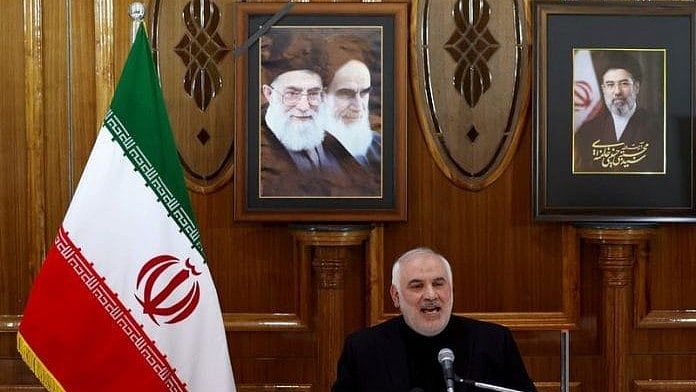
The Indian government acted quickly by summoning the Iranian envoy, Mohammad Fathali, to lodge a formal complaint. This diplomatic move happened on April 18, 2026. While the exact number of crew members on the two ships was not listed, the government has recently helped over 2,300 Indian workers leave the region due to ongoing safety risks. Iran has now announced that the strait is closed once more, claiming that the United States failed to keep certain promises.
Background and Context
The Strait of Hormuz is often called a "chokepoint" because it is a very narrow stretch of water that connects the Persian Gulf to the rest of the world's oceans. It is the only way for many oil-producing countries to send their products to international buyers. Because it is so narrow, it is easy to block or disrupt. For decades, this area has been a spot where different countries have argued and fought.
Recently, there has been a lot of tension involving Iran, the United States, and Israel. Although there were hopes that a ceasefire would bring peace to the region, the situation remains very fragile. India tries to stay neutral in these conflicts, but it must protect its own ships and citizens who work at sea. The safety of these trade routes is not just a local issue; it affects the economy of the entire world.
Public or Industry Reaction
The shipping industry is watching these developments with great concern. Many companies are worried that the "back-and-forth" decisions by Iran to open and then close the strait will make it impossible to plan safe trips. While the Indian Ministry of External Affairs has not made a long public speech about the matter, the act of summoning an ambassador is a very serious diplomatic step. It shows that India is not happy with how its ships were treated. Experts in global trade say that if these incidents continue, insurance costs for ships in the region will go up, making everything more expensive for consumers.
What This Means Going Forward
Moving forward, the relationship between India and Iran may face some challenges. India needs to maintain a good relationship with Iran for trade, but it cannot allow its ships to be put in danger. We can expect to see more security measures for Indian vessels traveling through the Middle East. There may also be more talks between world leaders to try and keep the Strait of Hormuz open and safe for everyone. If the waterway stays closed or remains a place of violence, countries like India will have to look for other ways to get the energy they need, which could be very difficult and costly.
Final Take
The safety of sailors and the free movement of trade are essential for a stable world. India’s decision to confront Iran over this firing incident shows that New Delhi is committed to protecting its commercial interests. As long as the Middle East remains unstable, the Strait of Hormuz will continue to be a place of high risk. International cooperation is the only way to ensure that this vital water passage stays safe for the ships that provide energy to millions of people around the globe.
Frequently Asked Questions
Why did India summon the Iranian ambassador?
India summoned the ambassador to protest a firing incident involving Iran’s Revolutionary Guards that forced two Indian ships to turn back in the Strait of Hormuz.
Is the Strait of Hormuz currently open?
No, Iran recently announced that it has closed the strait again, claiming that the United States violated previous agreements.
Why is this waterway so important to India?
The Strait of Hormuz is a key route for India’s energy imports. A large amount of the oil and gas India uses passes through this narrow passage.