
Summary
India is facing a major challenge with its energy independence. In the past, the country worked hard to produce its own oil to avoid relying on foreign powers. However, new data shows that domestic oil production has dropped significantly over the last decade. Today, India imports the vast majority of its crude oil, leaving the economy vulnerable to global price changes and international conflicts. This shift marks a move away from the self-sufficiency goals set shortly after the country gained independence.
Main Impact
The decline in domestic oil production has a direct effect on every citizen. Because India now produces only 13 percent of the oil it uses, the government must spend huge amounts of money to buy fuel from other countries. This makes the national economy sensitive to problems in the Middle East or changes in global trade. Furthermore, the national oil company, ONGC, which was once very wealthy, is now struggling with heavy debt. This financial trouble limits the company's ability to find new oil sources within India.
Key Details
What Happened
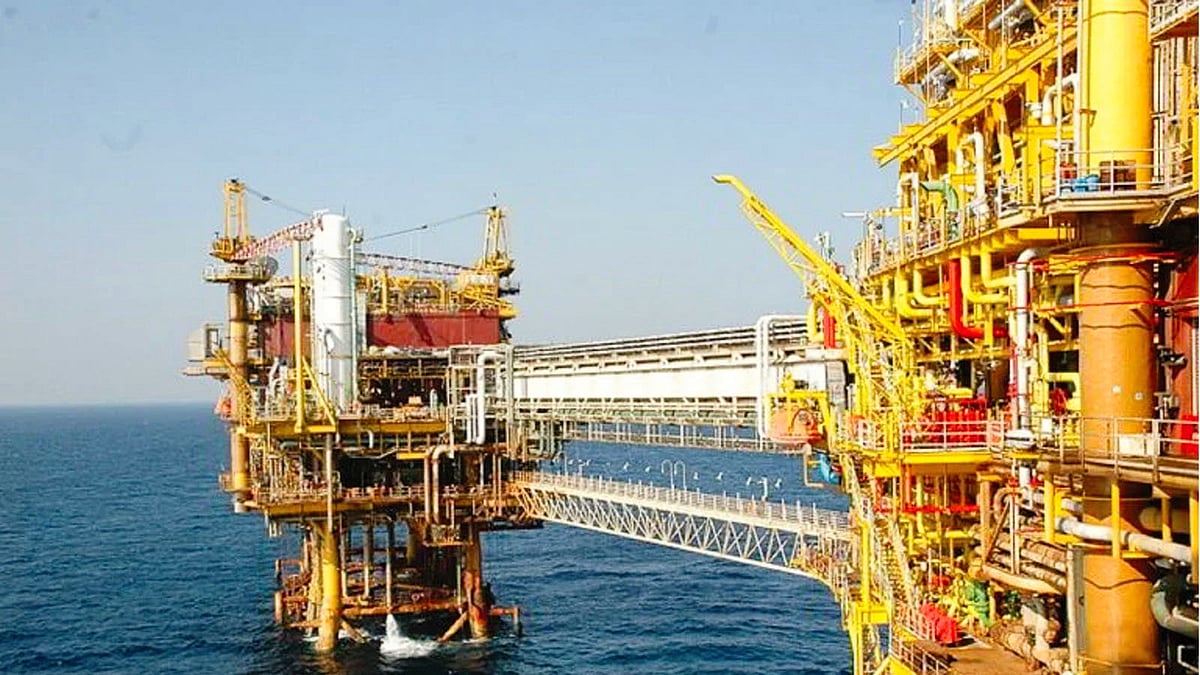
In the mid-1950s, Indian leaders pushed for a state-led oil program. They ignored pressure from Western oil companies and created the Oil and Natural Gas Commission (ONGC) in 1956. For decades, this company was the backbone of India’s energy security. By the 1980s, India was producing two-thirds of its own oil. However, in recent years, the government has used ONGC’s cash reserves to fund other projects and cover budget gaps. This has left the company with less money to invest in drilling and exploration.
Important Numbers and Facts
The financial health of India's energy sector has changed drastically. In 2014, ONGC had a cash surplus of Rs 13,000 crore. By 2024, that surplus turned into a debt of Rs 78,000 crore. This happened because the company was forced to buy other struggling state-owned firms. For example, ONGC had to pay over Rs 7,000 crore for a project that produced no oil and take on nearly Rs 20,000 crore of its debt. Additionally, while global oil prices were low for many years, the government increased taxes on petrol and diesel by up to 380 percent. Between 2014 and today, the government collected nearly Rs 44 lakh crore in petroleum taxes.
Background and Context
Energy sovereignty means a country can provide its own power without being controlled by others. After 1947, India wanted to make sure it was not at the mercy of global oil giants. Leaders like Jawaharlal Nehru and Keshav Dev Malaviya believed that if India did not control its own energy, it would never be truly free. They built a team of experts and found oil in places like Cambay and Bombay High. For a long time, this plan worked well. But as domestic production falls, India is becoming more dependent on foreign oil than it has been in decades.
Public or Industry Reaction
There is a growing debate about why fuel prices remain high even when global crude oil prices are low. The government often points to "oil bonds" from previous years as the reason for high costs. However, experts note that the money spent on these bonds is very small compared to the massive taxes collected from drivers. Critics argue that the benefit of cheap global oil was kept by the government instead of being passed on to the public. This has led to concerns that the national oil company is being used as a bank for the government rather than a tool for energy security.
What This Means Going Forward
The future of India's energy security looks difficult. Experts at the International Energy Agency (IEA) predict that India’s domestic production will fall to just 8 percent of what it needs by 2030. This means the country will have to import almost all of its fuel. If this happens, India could become the world’s second-largest oil importer. An annual oil bill of over $200 billion could hurt the economy and limit the money available for schools, hospitals, and roads. Without new investment in finding oil at home, India will remain at the mercy of global politics.
Final Take
India’s journey from seeking energy independence to becoming heavily dependent on imports is a warning sign. The strength of a nation is often tied to its ability to power itself. By using the resources of national companies for short-term budget needs, the long-term goal of energy security has been weakened. Rebuilding this security will require a major shift in how the country manages its natural resources and its national companies.
Frequently Asked Questions
What is energy sovereignty?
It is the ability of a country to produce enough energy for its own needs so it does not have to rely on other nations or foreign companies.
Why is India's oil production falling?
Production is falling because the national oil company, ONGC, has less money to spend on searching for new oil. Much of its cash was used to help the government's budget or buy other companies.
Why are fuel prices high if global oil prices are low?
The government has significantly increased taxes on petrol and diesel. Even when the price of raw oil drops globally, these high taxes keep the price at the pump high for consumers.

