Summary
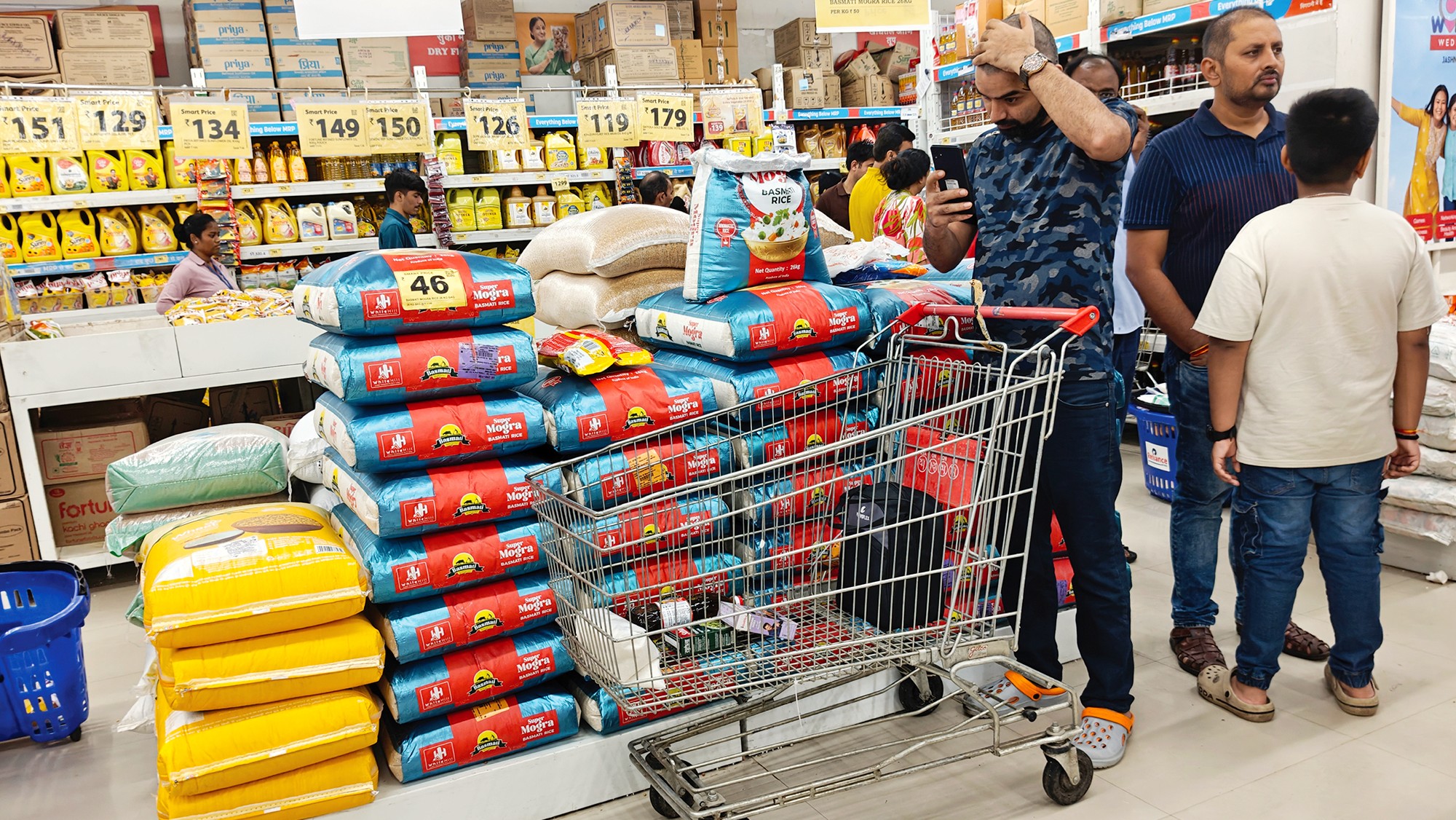
Indian families are feeling a much higher cost of living than official government reports suggest. While the official inflation rate is listed at 3.2 percent, a recent survey by the Reserve Bank of India (RBI) shows that households feel the real rate is closer to 7.2 percent. This gap between official data and daily reality is creating significant stress for the middle class and low-income workers. Rising costs for fuel, cooking oil, and house rent are making it difficult for many people to afford basic needs.
Main Impact
The biggest problem facing the Indian economy right now is a "double oil squeeze." High prices for crude oil and cooking oil are driving up the cost of almost everything else. Because India imports most of its oil, conflicts in West Asia and global market changes have a direct impact on local prices. This has led to a situation where wages are staying the same while the cost of food and transport continues to climb. The result is social unrest, with workers in industrial areas starting to protest for higher pay to survive the rising costs.
Key Details
What Happened
The RBI’s Inflation Expectations Survey for March 2026 highlights a major worry for the public. People expect prices to rise by 8.5 percent over the next three months and nearly 9 percent over the next year. At the same time, the Indian rupee has weakened significantly against the US dollar, making imports even more expensive. To stop the currency from falling further, the central bank had to step in with aggressive measures, including spending billions of dollars from its reserves and limiting certain types of currency trading.
Important Numbers and Facts
- Official Inflation: 3.2 percent (February 2026).
- Perceived Inflation: 7.2 percent according to household surveys.
- Crude Oil Price: Reached $115 per barrel in March due to international conflict.
- Currency Value: The rupee fell to 95 against the US dollar.
- RBI Intervention: The central bank spent $30.5 billion in one month to support the rupee.
- Wage Hikes: Workers in Manesar received a 35 percent increase in minimum wages after protests, though many say this is still not enough.
Background and Context
Inflation is the rate at which the prices of goods and services increase over time. In India, the government uses the Consumer Price Index (CPI) to measure this. However, experts argue that the way the CPI is calculated does not always show the full picture. For example, the official data for housing costs often looks at old rental agreements rather than the much higher prices new renters have to pay in big cities. This makes the official inflation number look lower than what people actually pay.
Additionally, India is very dependent on other countries for its oil. It imports about 90 percent of its cooking oils, such as palm oil from Indonesia and sunflower oil from Russia. When there is a war or a trade problem in those regions, the price of a simple meal in an Indian home goes up almost immediately. This "imported inflation" is hard for the government to control through local policies alone.
Public or Industry Reaction
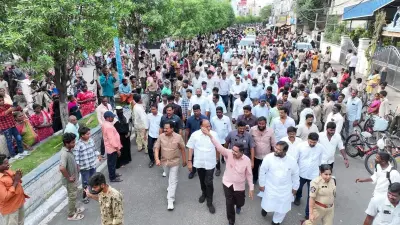
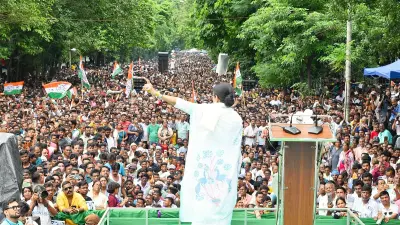
The reaction on the ground has been intense. In industrial hubs like Manesar and Noida, workers have held violent protests. They argue that their current wages are not enough to cover the cost of food and rent. In some cases, these protests led to clashes with police and damage to property. Many migrant workers, who move to cities for jobs, are finding it so expensive to live that they are moving back to their home villages. Business groups are worried about this because once workers leave, it is very hard to get them to come back, which could hurt India's manufacturing industry.
What This Means Going Forward
The future of the Indian economy depends heavily on global peace and the weather. If the conflict in West Asia continues, oil prices will likely stay high, keeping inflation up. The RBI has kept interest rates at 5.25 percent and hopes inflation will settle at 4.6 percent next year. However, these goals may be hard to reach if the upcoming monsoon season is poor or if global trade remains disrupted. Families may continue to cut back on important things like healthcare, better nutrition, and private education if their income does not start growing as fast as their bills.
Final Take
The growing gap between official economic reports and the lived experience of Indian citizens is a serious warning sign. While the government’s charts might show stable numbers, the struggle of the average household tells a different story. Addressing the high cost of living and ensuring that wages keep up with prices will be the biggest challenge for leaders in the coming months. Without a balance between costs and earnings, the economic pressure on the middle class and the poor will only continue to grow.
Frequently Asked Questions
Why is there a difference between official inflation and what people feel?
Official data often uses older prices or specific formulas that may not capture sudden jumps in costs like rent for new tenants or daily changes in the price of fresh food and cooking oil.
How does the price of oil in other countries affect India?
India imports most of its fuel and cooking oil. When global prices go up due to war or supply issues, it costs more to transport goods and cook food, which raises the price of almost everything in local markets.
What is the government doing to stop the rupee from falling?
The Reserve Bank of India has used billions of dollars from its foreign reserves to support the currency and has put strict rules on banks to stop them from betting against the rupee's value.