
Summary
The Indian government has organized 58 special flights to bring home citizens stranded in the Gulf region. This decision follows the closure of major airspace zones in the Middle East due to growing conflict involving the United States, Israel, and Iran. These flights are part of a larger effort to help travelers who are stuck because of canceled trips and restricted flight paths. The situation has caused major delays and higher travel costs for people flying between Asia and Europe.
Main Impact
The closure of key flight paths in the Middle East has created a massive problem for global travel. Because many planes cannot fly over the conflict zones, airlines must take much longer routes to reach their destinations. This change is not only making trips longer but is also making them more expensive. For India, the immediate focus is on helping thousands of people who are currently unable to leave cities like Dubai and Abu Dhabi. The government is working closely with domestic airlines to ensure these passengers can return home safely and quickly.
Key Details
What Happened
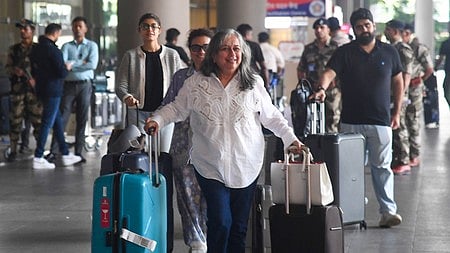
On March 4, 2026, Indian airlines began a large-scale operation to fly people back from the Gulf. The Ministry of Civil Aviation stepped in after several countries in the Middle East restricted their airspace for safety reasons. Major airports that usually handle hundreds of flights every day have either closed or are only allowing a few planes to take off. This has left many Indian workers and tourists without a way to get home. To fix this, the government asked Indian carriers to set up special "repatriation" flights, which are flights specifically meant to bring people back to their own country during an emergency.
Important Numbers and Facts
A total of 58 flights have been scheduled for this mission. IndiGo is leading the effort with 30 flights, while Air India and Air India Express are providing 23 flights. Other airlines like SpiceJet and Akasa Air are also contributing to the schedule. These flights are connecting Gulf cities like Dubai and Fujairah to several major Indian cities, including New Delhi, Mumbai, Bengaluru, Kochi, Ahmedabad, and Thiruvananthapuram. Meanwhile, Dubai International Airport, which usually manages over 1,000 flights a day, has seen its operations drop significantly. In Abu Dhabi, Etihad Airways has paused most of its regular flights until at least the afternoon of March 5.
Background and Context
The Middle East is one of the most important areas for global aviation. It acts as a bridge between Asia, Europe, and Africa. When conflict breaks out in this region, it forces airlines to change their plans immediately. In this case, the tension between the United States, Israel, and Iran has made the skies over several countries unsafe for commercial planes. For India, this is a major concern because millions of Indian citizens live and work in Gulf countries. When flights are canceled, it creates a high demand for seats and causes panic among travelers who need to return for work or family reasons.
Public or Industry Reaction
Travel experts are worried about the long-term effects of these closures. Subhas Menon, a leader in the airline industry, noted that if planes have to fly longer distances to avoid the Middle East, the cost of fuel will go up. This will likely lead to even higher ticket prices for everyone. Some experts also pointed out that airlines that do not rely on Middle Eastern hubs, such as Singapore Airlines or Turkish Airlines, might see more customers as people try to avoid the affected areas. On social media and at airports, many passengers have expressed frustration over the lack of available seats and the sudden jump in ticket prices. Some economy-class tickets to Europe are now completely sold out, leaving only very expensive business-class seats available.
What This Means Going Forward
For now, the Indian government is keeping a close eye on ticket prices to make sure airlines do not charge too much during this crisis. They have told airlines to be fair with refunds and to help people reschedule their trips without extra fees. Travelers are being warned not to go to the airport in Dubai or other Gulf cities unless they have a confirmed booking and a message from their airline saying the flight is ready. In the coming days, airlines will continue to use alternative routes over places like Afghanistan, Egypt, or Saudi Arabia. While these routes are safer, they add several hours to the journey, which will continue to disrupt travel schedules for the foreseeable future.
Final Take
The current situation shows how quickly global travel can change when there is conflict in a major region. While the special flights from India provide a much-needed solution for stranded citizens, the overall travel industry is facing a difficult period. Passengers should stay in constant contact with their airlines and prepare for longer travel times and higher costs until the region becomes stable again.
Frequently Asked Questions
Why are flights being canceled in the Gulf?
Flights are being canceled or rerouted because the airspace over several Middle Eastern countries is closed or restricted due to military conflict. This makes it unsafe for passenger planes to fly through those areas.
How can I find out if my flight is still running?
Passengers should check the official website of their airline or wait for a direct message from the carrier. Authorities advise against going to the airport without a confirmed departure notice.
Will ticket prices go up because of this?
Yes, ticket prices have already started to rise. This is because there are fewer seats available and planes must fly longer routes, which uses more fuel and increases the cost for the airline.

